Water Damage Restoration Oregon, OH
Water extraction, structural drying and documented cleanup for Oregon homes and businesses, from basement drain backups to lakeshore storm water, with moisture readings logged until the framing reads dry.
(888) 612-9219Talk to an Oregon water damage crewDispatch covers Oregon, OH at any hour, with photos and readings saved for claims.
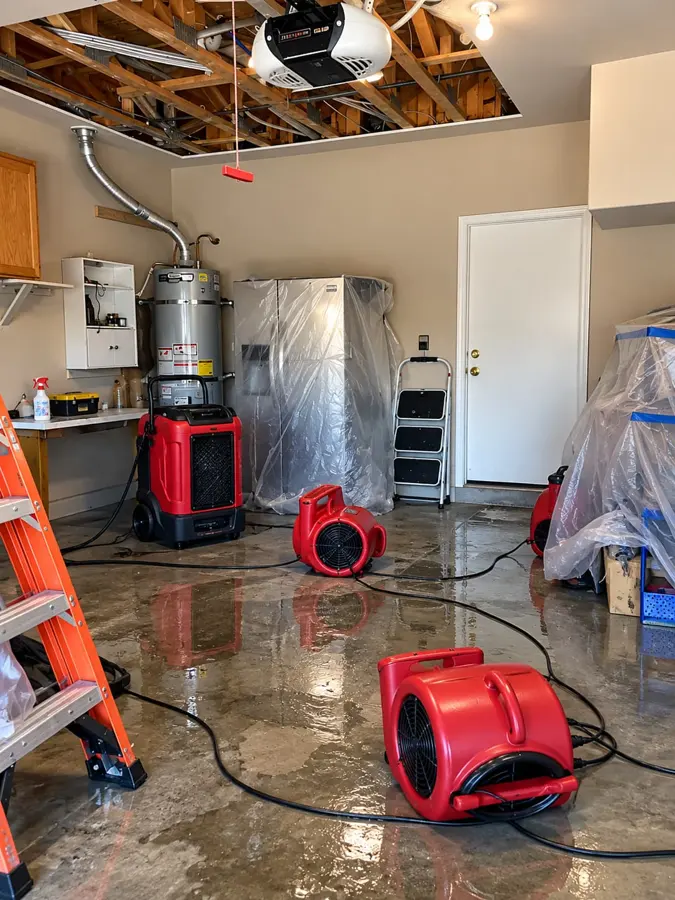
Water and sewage services for Oregon properties
Pumping, tear-out, drying and documentation get matched to the water source behind each loss, whether it hits an Oregon home, a rental unit or a business.
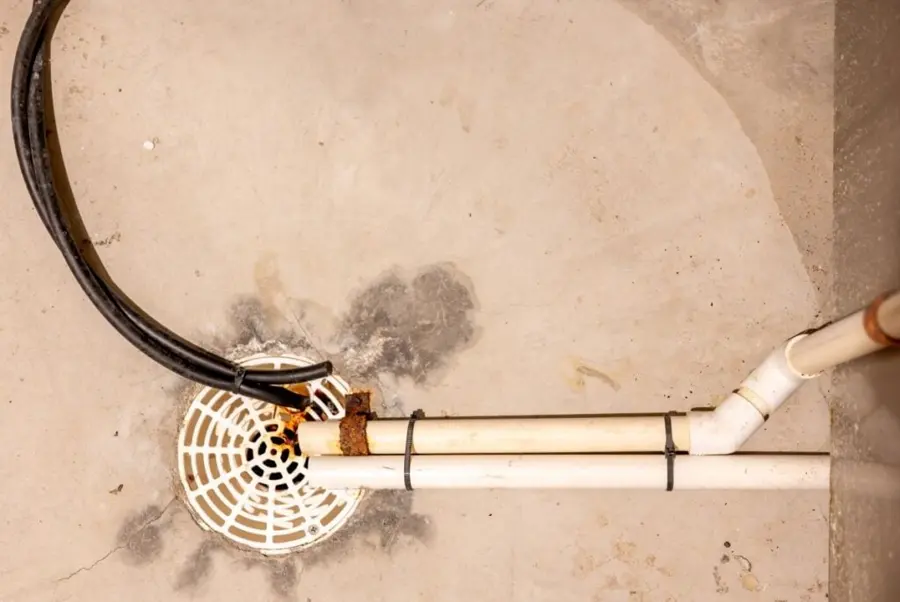 Older sewer pipe, wet-weather backupsSewage Backup CleanupDrain backups are removed under containment, then cleaned and treated.How it is handled
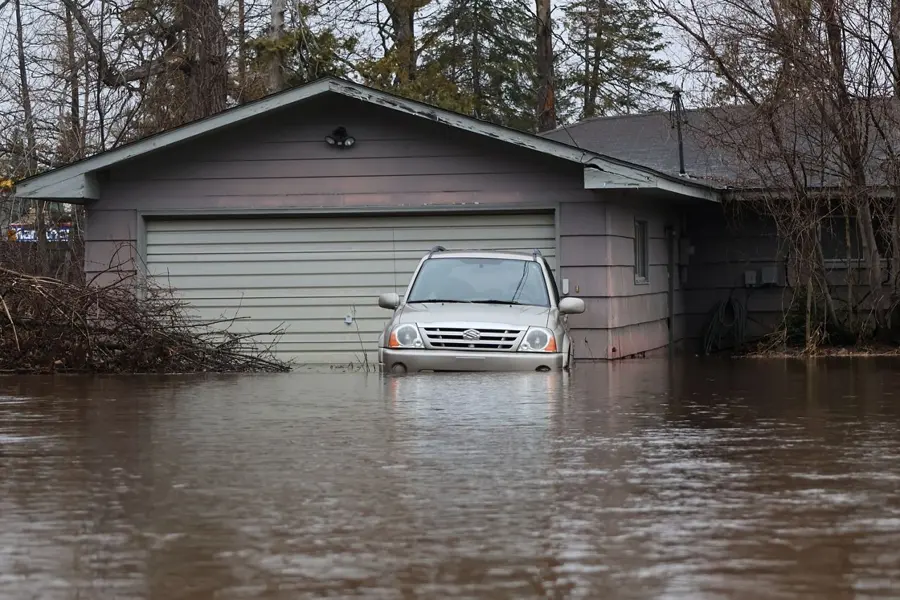 Lakeshore surge and ditch overflowRiver and Lake Flood CleanupLake surge or creek overflow: silt removal, tear-out, cleaning and structural drying.How it is handled
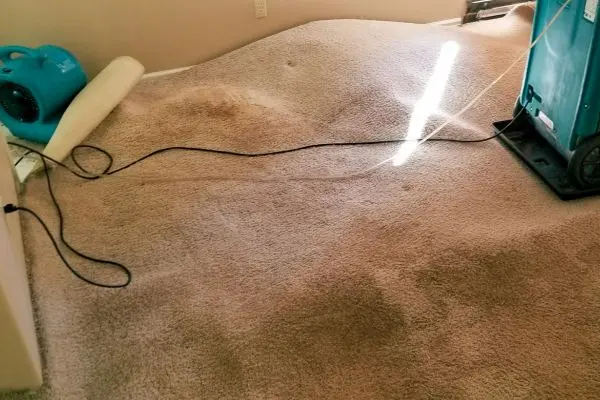 Emergency Water ExtractionTruck-mounted and portable pumps clear standing water from basements, garages and floors.How it is handled
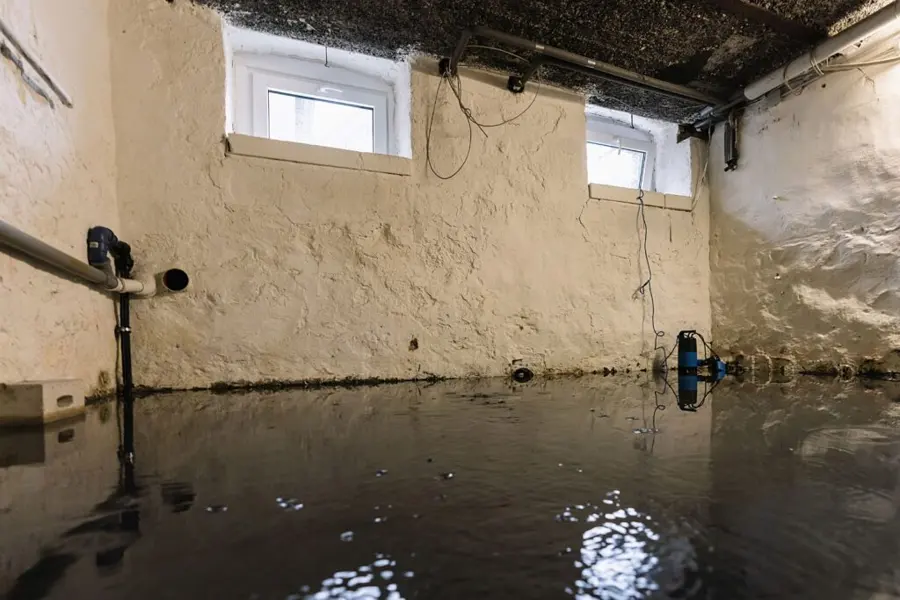 Basement Flooding CleanupFloor drain overflow and footer tile seepage, from the first pump-down to dry readings.How it is handled
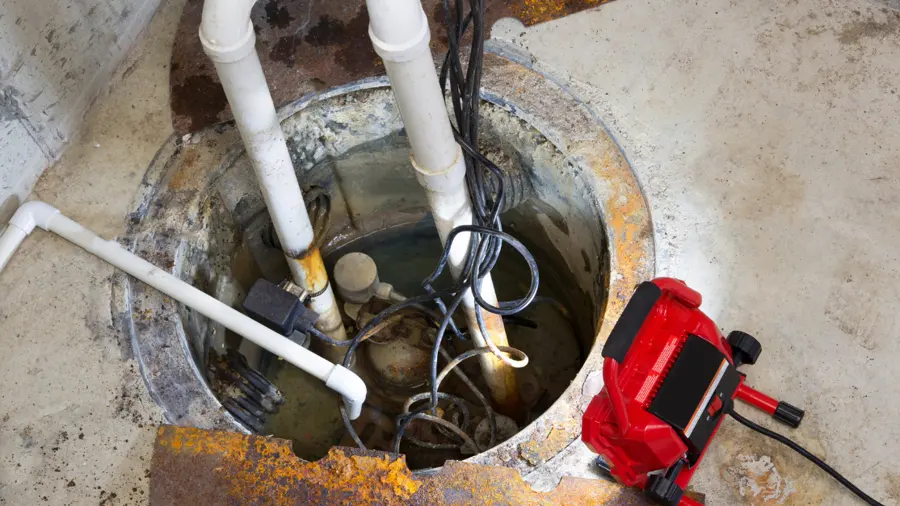 Sump Pump Failure CleanupExtraction and drying after a sump pump quits or cannot keep up.How it is handled
 Frozen Pipe Water DamageThawed pipes leak inside walls; the cavity is opened low, extracted and dried.How it is handled
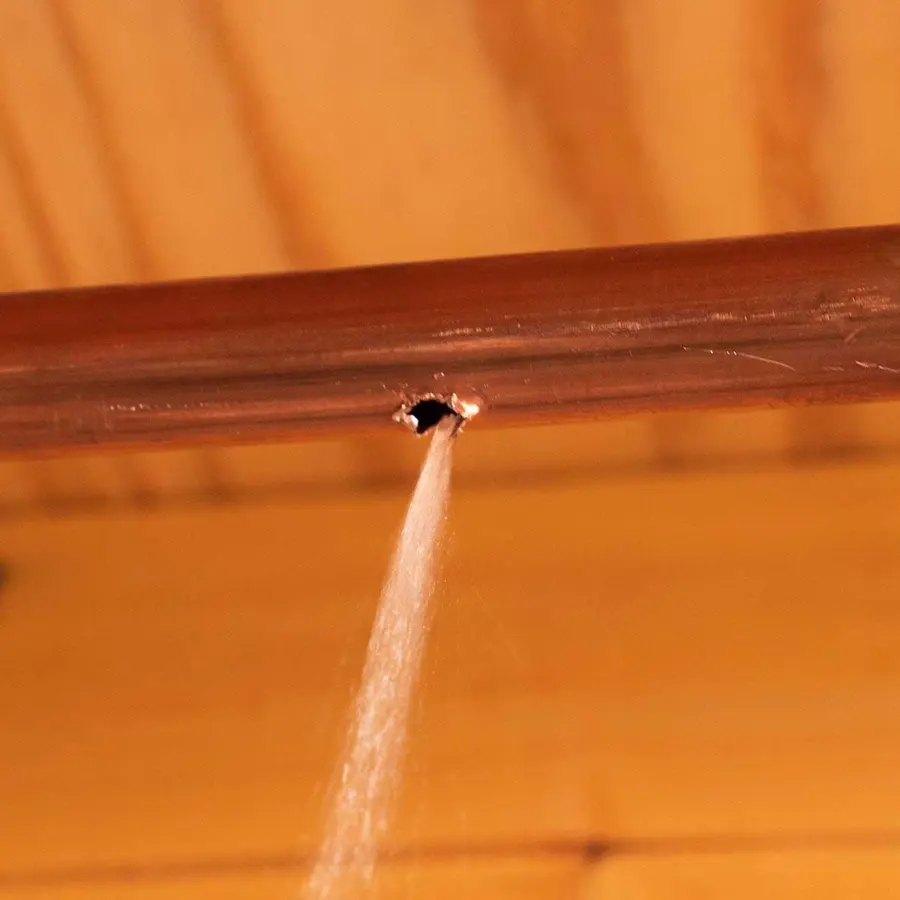 Burst Pipe Water DamageSplit pipes soak floors and ceilings; extraction, tear-out and drying follow the shutoff.How it is handled
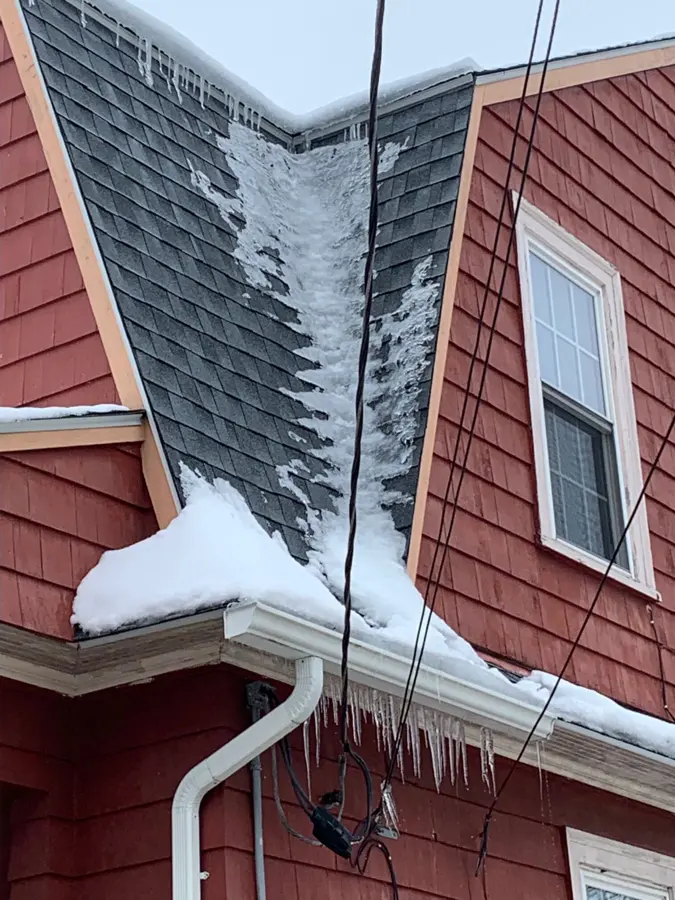 Ice Dam Water DamageMeltwater under shingles wets attic insulation and ceilings, which are dried in place.How it is handled
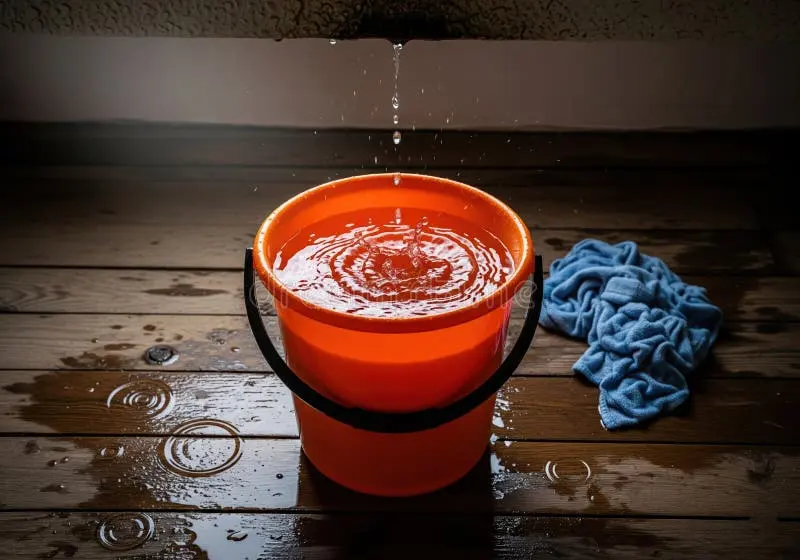 Roof Leak Water DamageRain through shingles, flashing or vents: tracing, ceiling drying and wall drying.How it is handled
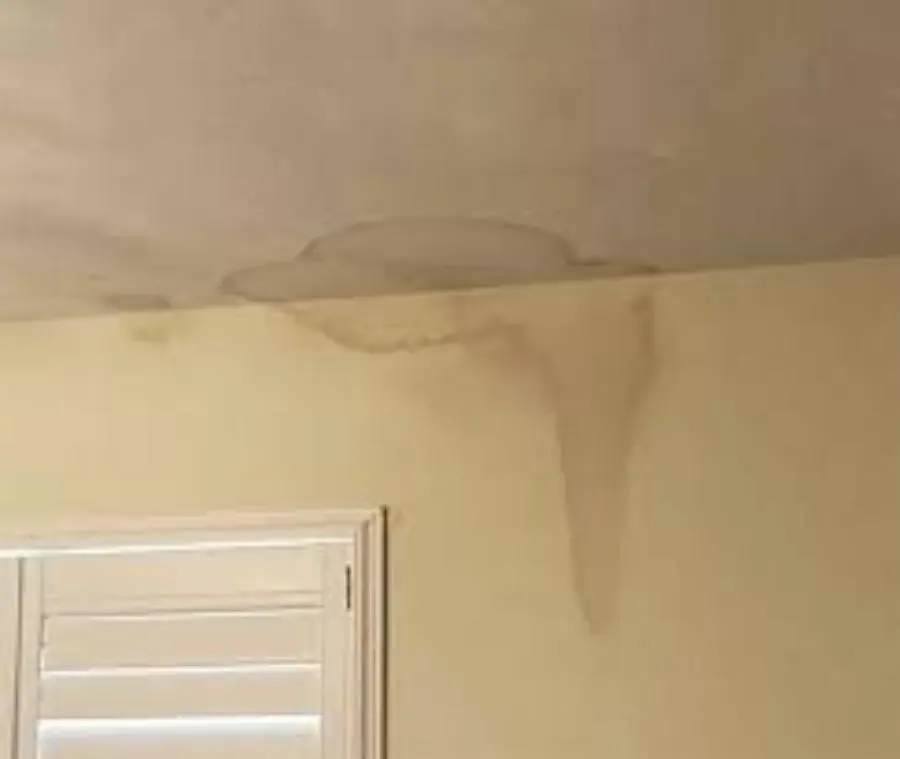 Ceiling Leak Water DamageStains and sagging drywall from a leak above, including a neighboring unit's.How it is handled
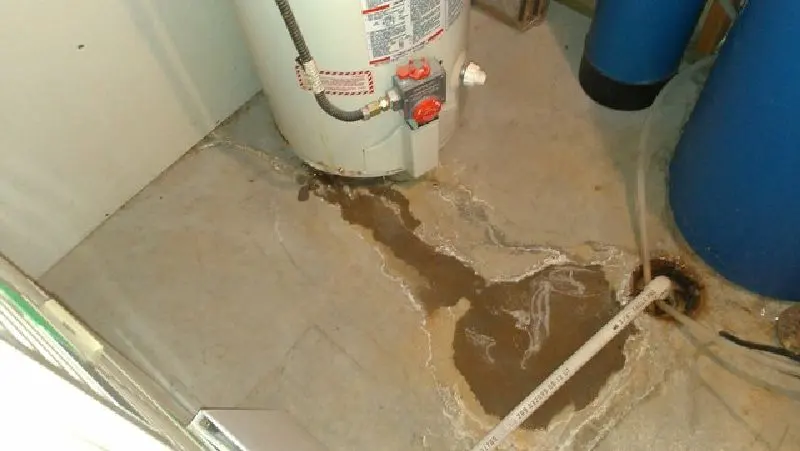 Water Heater Leak CleanupTank leaks and failed fittings: extraction, wall opening and drying nearby.How it is handled
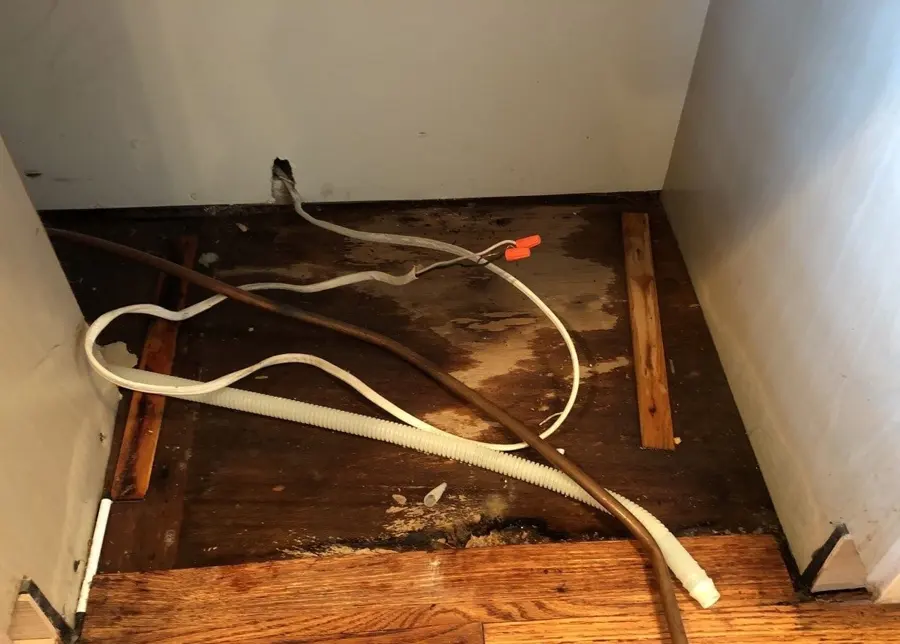 Washer and Dishwasher Leak CleanupWasher hoses and dishwasher leaks that reach cabinets, subfloors or a unit below.How it is handled
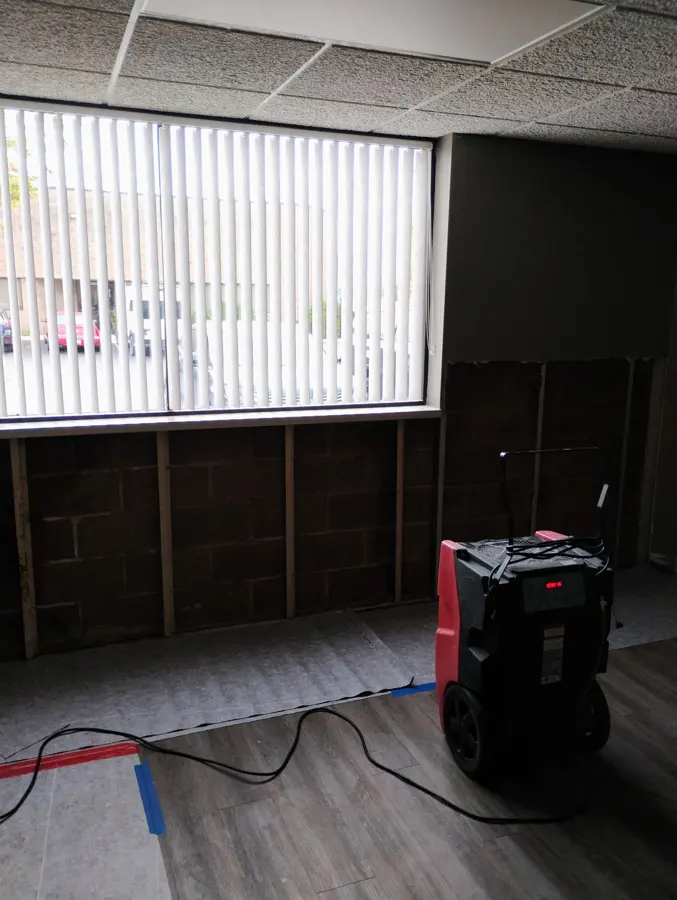 Structural Drying and DehumidificationMoisture mapping, air movers and dehumidifiers run until framing and subfloors read dry.How it is handled
 Commercial Water DamagePhased drying for shops, offices, restaurants and institutions that need to reopen quickly.How it is handled
Local knowledge, documented work, a dry result
The crew works from how Oregon is built and drained, then proves the result with readings instead of guesses.
Dispatch at any hour
Crews dispatch day or night, and the first job is always stopping the source and starting extraction.
Built for Oregon housing
With 5,843 of Oregon's 8,673 homes built before 1980, the team plans for older framing and several layers of finishes.
Claim-ready records
Photos, moisture logs and an itemized scope are saved as the work moves, so an adjuster sees what was wet and why.
Straight pricing
Ranges are stated plainly, and any change in scope is explained before more tear-out begins.
What to do while water is still spreading in Oregon
- 1Stop the source
Close the main shutoff for a pipe or appliance leak; for sewage or flood water, stay out of the area.
- 2Cut power to wet areas
Turn off breakers feeding wet rooms, and never step into standing water near outlets or a panel.
- 3Take photos first
Record the high-water mark, damaged belongings and the source before anything moves, since adjusters ask for those photos.
- 4Lift valuables clear
Move rugs, electronics and paper off wet floors, but leave soaked carpet and drywall in place for the crew to assess.
- 5Call before tear-out
Call the restoration team before tearing out wet materials, so moisture gets mapped and documented first.
Dry means measured, not guessed, in every Oregon structure
The crew maps moisture with meters and a thermal camera, pulls out what cannot dry, and sets equipment sized to the wet volume. Daily readings decide when the equipment leaves.
- 1
Survey the wet area
Meters and a thermal camera trace where water traveled through floors, walls and ceilings, and the readings become the starting record.
- 2
Extract the water
Truck-mounted or portable pumps remove standing water first, since extraction removes far more than evaporation can.
- 3
Dry the structure
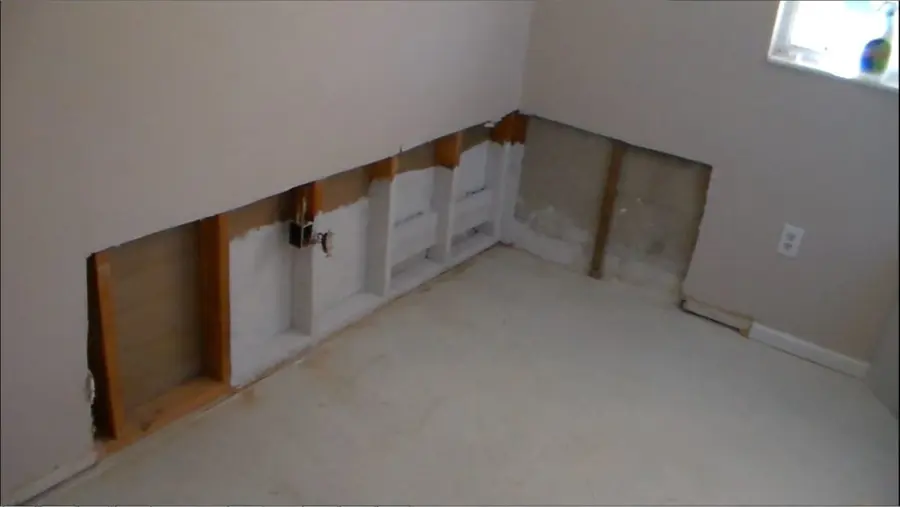
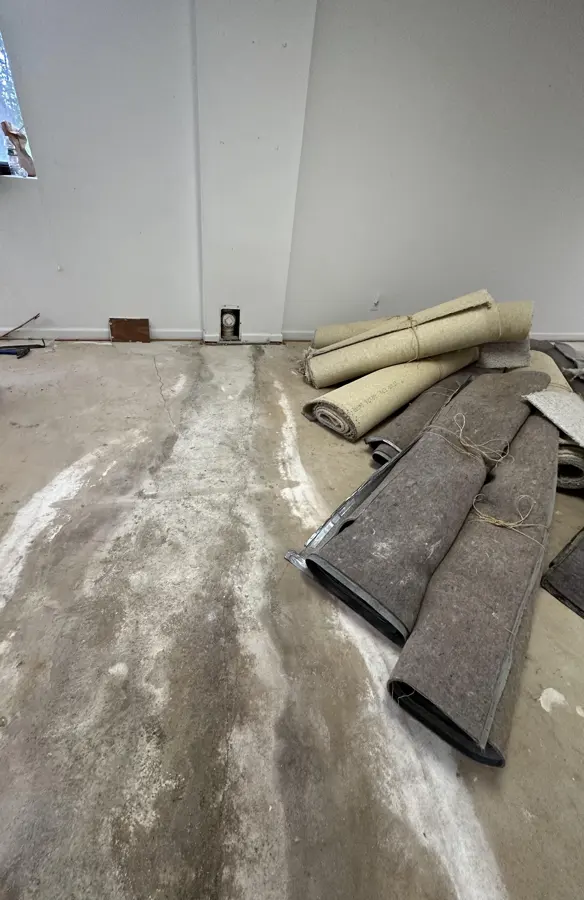
Air movers and dehumidifiers run while wet drywall, pad or insulation that cannot recover is cut out and bagged.
- 4
Verify dry
Readings are taken each visit and compared with dry reference spots, and equipment comes out only when framing and subfloors match.
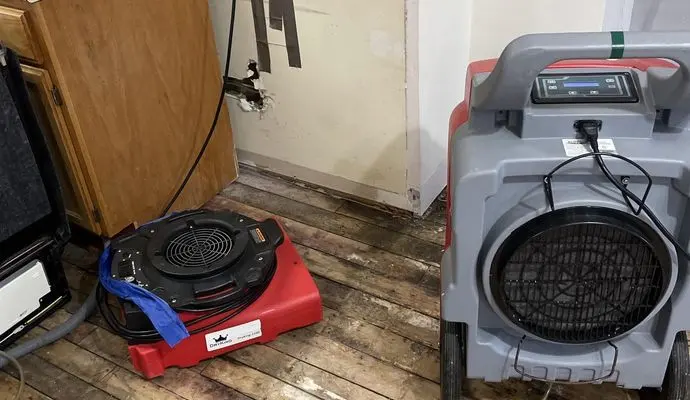
Equipment on an Oregon job
- Pinless and pin moisture meters for walls, floors and framing
- Thermal camera to find wet cavities behind intact surfaces
- Truck-mounted extraction unit and submersible pumps for deeper water
- Low-grain refrigerant dehumidifiers and centrifugal air movers sized to the room
- Containment barriers and HEPA air scrubbers for sewage jobs

Storm surge on Lake Erie, overflow in the ditches
Oregon sits on Lake Erie and Maumee Bay in the former Great Black Swamp, so rain and lake water both matter.
- During the July 2026 flood in neighboring Jerusalem Township, the Lucas County Engineer said a northeast wind pushed Lake Erie about four feet above normal.
- Three major drainage systems carry the city's storm water: Wolf Creek, Otter Creek and the Amolsch/Driftmeyer Ditch.
- The city cleared brush from more than 30,000 feet of creek and ditch bank and removed more than 80 blockages.
Clean, gray and black water get different handling
The water category decides what gets removed and how it is cleaned, so the source is identified before any tear-out begins.
Clean water
Supply pipe and tank failures start clean but turn gray if left, so wet pad and drywall come out early when the damage has spread.
Burst pipe cleanupGray water
Washer, dishwasher and sump pump overflow carries soap, soil and bacteria, so porous materials are usually removed instead of dried.
Sump pump cleanupBlack water
Sewer backup and lake or ditch flood water carry bacteria and silt, and call for containment, heavy removal and antimicrobial treatment.
Sewage backup cleanupWhat water damage cleanup tends to cost in Oregon
Oregon water damage jobs usually run from about $800 for a small clean-water loss to $10,000 or more for contaminated, multi-room damage. The final figure follows the wet area, the water category, how much material has to come out and how long the structure needs to dry.
| Size of the loss | Typical range | What usually moves it |
|---|---|---|
| Small, one area | $800 to $2,500 | Clean water, found early, dried in place, one room |
| Several rooms or a basement | $2,500 to $6,500 | Clean or gray water, some wall and pad tear-out, LGR dehumidifiers |
| Large or contaminated loss | $6,500 to $10,000+ | Sewage or flood water, containment and removal, full structural drying |
Ranges are typical for the area, and a walkthrough with moisture readings sets the actual scope before work begins.
Claim records built into the work
The paperwork an adjuster asks for is gathered during the job, so nothing has to be reconstructed from memory once the claim is open.
- Dated photos of every wet room and item
- Moisture readings logged at each visit
- Itemized list of materials that were removed
- Equipment placement and run-time records
- The water source and its category noted
New FEMA flood insurance rate maps for Lucas County took effect on February 22, 2024 and affect about 2,000 parcels across Oregon, Toledo, Harbor View and two townships, so flood coverage questions are worth raising early.
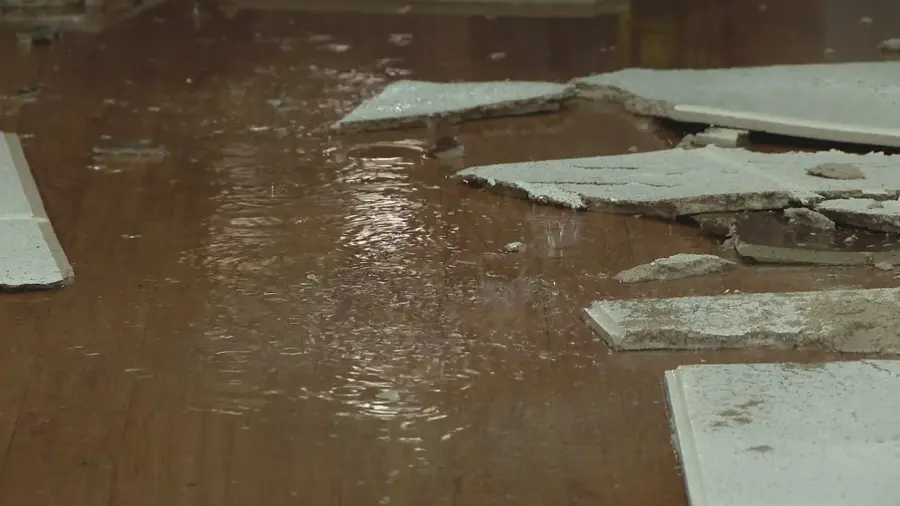
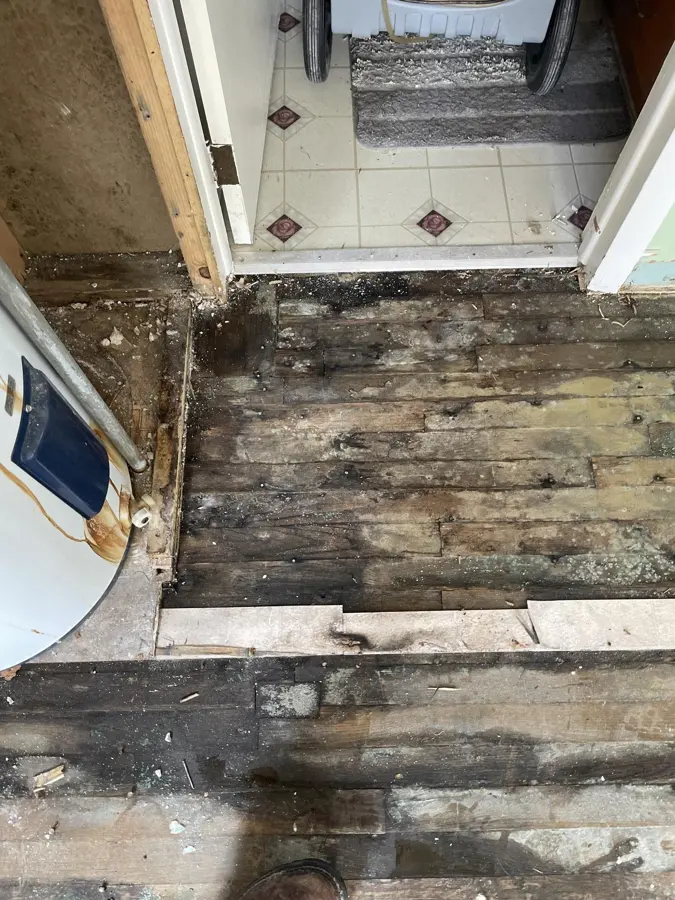
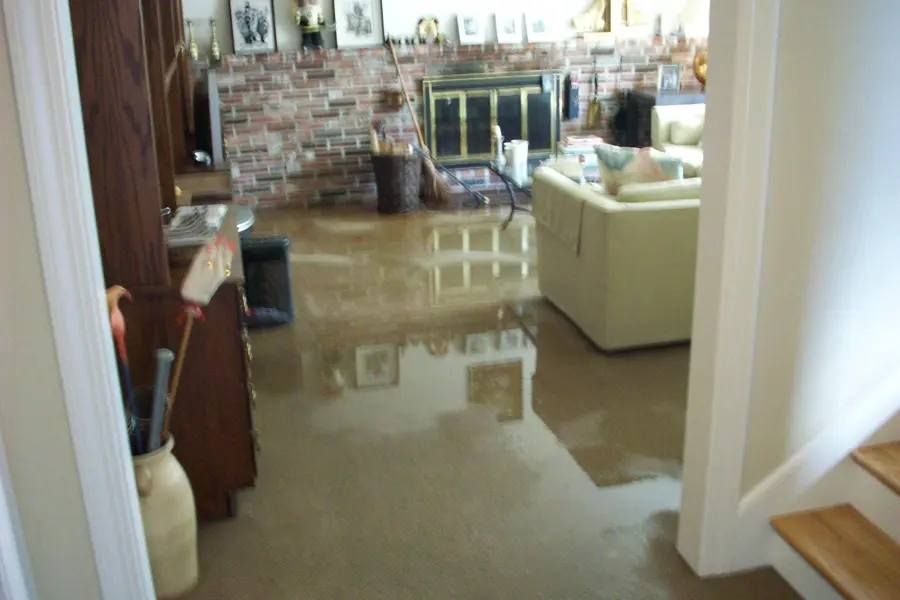
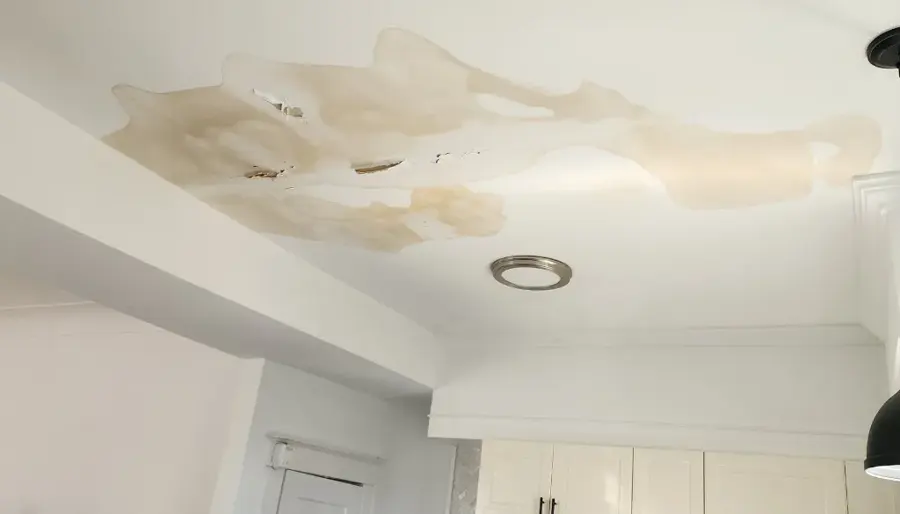
Water damage conditions the drying team works in
Water damage crews serving Oregon, OH
Service covers the City of Oregon in Lucas County, from the Navarre Avenue business district and Wheeling Street to the Lake Erie and Maumee Bay shoreline, for homes, rentals and commercial buildings alike.
ZIP code covered
Neighborhoods and corridors served
Nearby communities
What shapes water damage risk in Oregon, OH
Oregon's ditches, older sewers and mix of housing each put water into buildings differently, and the cleanup follows the route water took.
- 1Older housing stock. The American Community Survey counts 8,673 homes in Oregon, and 5,843 of them were built before 1980, so tear-out often reaches older framing and layered finishes.
- 2Older sewer pipe. The city's sanitary sewer is about 484,000 feet of pipe, the oldest dating to the late 1920s, and clay pipe built before 1970 tends to weaken at joints.
- 3Wet-weather sewer load. In mid April 2009, 1.6 inches of rain in 24 hours pushed the city's wastewater plant flow to about 5 times normal.
- 4Ditch drainage. The former Great Black Swamp region is described as water-retaining clay, till and organic soil, and Oregon's ditches still carry storm water toward Maumee Bay.
- 5Lakeshore surge. Lucas County lists lakeshore surge, called a seiche, as a main flood type and names a levee along Bay Shore Road as Lake Erie shore protection.
Oregon water damage questions answered
How quickly does mold follow water damage in Oregon?
Mold can begin growing on wet drywall and framing after a day or two, so extraction and drying start promptly. Materials dried in that window are often saved; those left wet longer usually get cut out and replaced.
What does water damage cleanup cost in Oregon, OH?
Small clean-water losses often start near $800, while multi-room or contaminated jobs can pass $10,000. The price follows how much is wet, the water category and how much material must come out. The cost calculator gives a rough range first.
What should a homeowner do when a basement drain backs up?
Stay out of the water, switch off power to the area if safe, and photograph the drain and floor before anything is moved. The city's Basement Backup Grant program calls a floor drain tied to footer tiles one of the most common cases.
Why do basements back up in heavy rain in Oregon?
The city says extreme wet weather can fill the sanitary sewer, and a full system relieves pressure through backups at its lowest points. Its Inflow and Infiltration Reduction Program targets stormwater connections. Sewage backup cleanup removes and treats what comes up the drain.
Where may a sump pump drain in Oregon?
Oregon Codified Ordinance 925.26 bans sending groundwater, stormwater or roof runoff to the sanitary sewer. A sump pump may drain to the ground or a storm sewer, and sump pump failure cleanup handles the water when one quits.
Does insurance cover sewer backup or flood damage in Oregon?
Coverage depends on the policy. Sewer backup and surface flooding are often handled differently from a burst pipe, and Oregon takes part in the National Flood Insurance Program, so dated photos and the confirmed water source go in the file early.
How long does structural drying take?
A small area usually dries in about three to four days, while wet walls, ceilings, block or hardwood take longer. Daily readings decide when the equipment leaves. Every visit adds new readings to the log, and the drying time estimator gives a rough number.
Do Oregon businesses and institutions need different handling?
Larger buildings add phasing, access and documentation demands, and Oregon's mix of retail centers, schools, a hospital and industrial sites means drying is staged around occupied space. Commercial water damage covers offices, shops and restaurants.
Is Lake Erie flood water handled differently from a pipe leak?
Lake and ditch water carries silt, bacteria and debris, so removal, cleaning and antimicrobial treatment come before drying, while a clean pipe leak can often be dried in place. River and lake flood cleanup follows that order.
Water in an Oregon home or building needs a crew
Dispatch is open day and night for Oregon, OH, and the team starts with the source, the extraction and a moisture map of what the water reached.