Frozen Pipe Water Damage in Monroe, MI
Ice splits a pipe quietly; the flooding starts when it thaws. The restoration team extracts the water, opens the wet wall or ceiling where needed and dries the cavity to a verified reading, 24/7.
(888) 612-9219Pipe split in the cold? Call now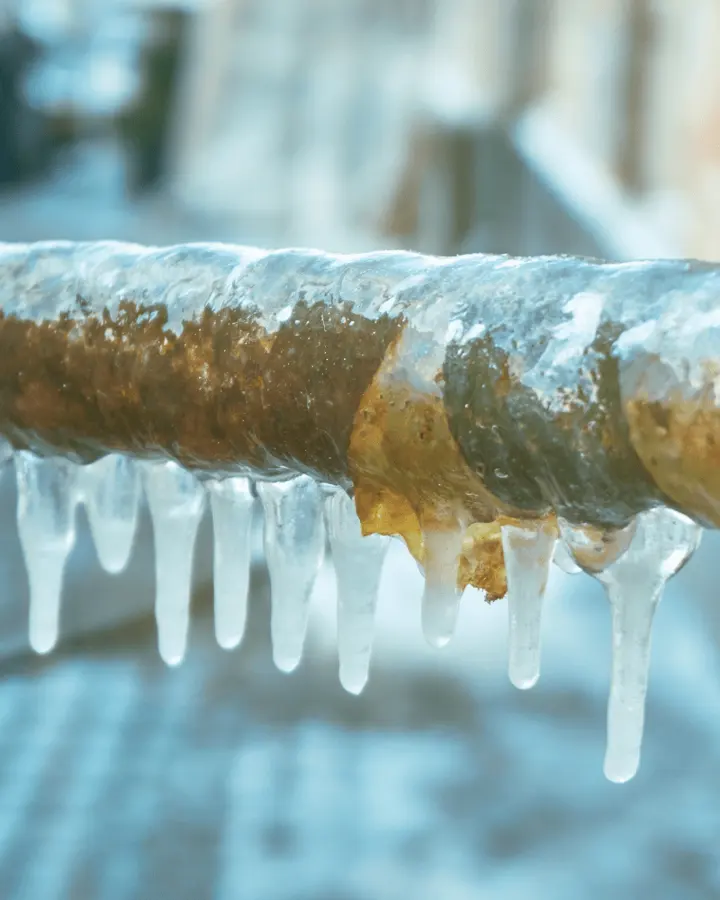
First steps for frozen pipe water damage in Monroe
- 1Shut off the main
Close the main valve before the ice melts, so a split pipe cannot flood the house.
- 2Open the faucet
Open the tap the frozen pipe feeds so pressure can escape as it thaws.
- 3Warm it gently
Use a hair dryer or a space heater with care; never an open flame on a pipe.
- 4Watch walls and ceilings
Look for stains, bulges or drips below the frozen section, then call.
What does frozen pipe water damage cost in Monroe, MI?
In Monroe, MI, frozen pipe water damage typically runs $1,500 to $9,000 to dry out, depending on how long the split pipe ran, how many walls, ceilings and floors it reached and how soon drying started; the pipe repair is a separate plumbing cost.
| Size of the loss | Typical range | What usually moves it |
|---|---|---|
| One wall or one room | $1,500 to $3,500 | Small leak, wall cavity opened low, air movers and a dehumidifier |
| Wall plus the floor below | $3,500 to $6,500 | Ceiling or basement below, insulation removal, several rooms dried |
| Long run, several levels | $6,000 to $9,000+ | Ran for hours, ceilings and floors opened, full structural drying |
Planning ranges, not a quote: the water category, the wet square footage, the material class and how soon drying started move the final number most. The Monroe water damage cost calculator narrows it for your own loss.
How frozen pipe water damage is handled in Monroe
- 1
Trace the water
Thermal imaging and meters follow the water through walls and ceilings.
- 2
Extract and open
Standing water is extracted, and wet drywall and insulation come out where readings demand.
- 3
Dry the cavity
Air movers and dehumidifiers dry studs, sheathing and the floor below.
- 4
Confirm dry
Readings must match a dry reference before the wall is closed.
Monroe's January lows average about 16 F, and Arctic cold snaps can push temperatures below zero. Pipes that run through outside walls, crawl spaces, attics and attached garages lose heat first. Water expands as it freezes, splits the pipe or a fitting, and the ice holds the water back until it melts.
Where pipes freeze in Monroe homes
- Kitchen and bathroom supply pipes on outside walls
- Pipes in crawl spaces under additions and porches
- Supply pipes in unheated attached garages
- Outdoor hose bibs that were never shut off from inside
- Older homes with little insulation in the walls
Why the damage shows up later
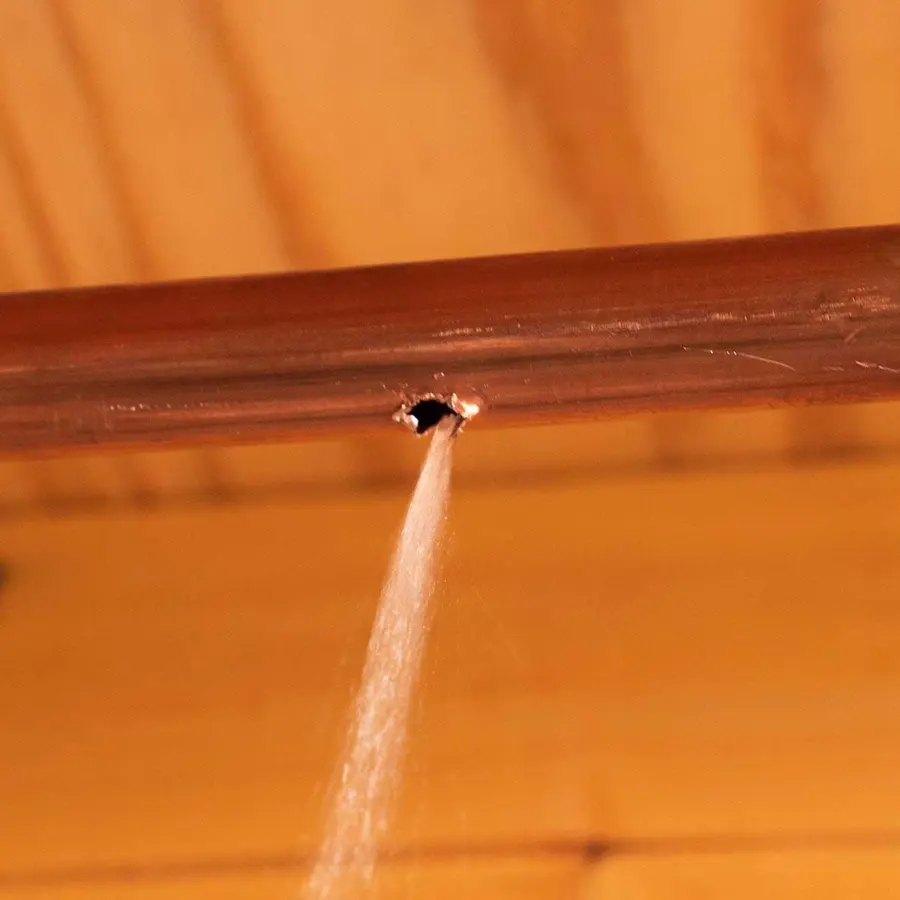
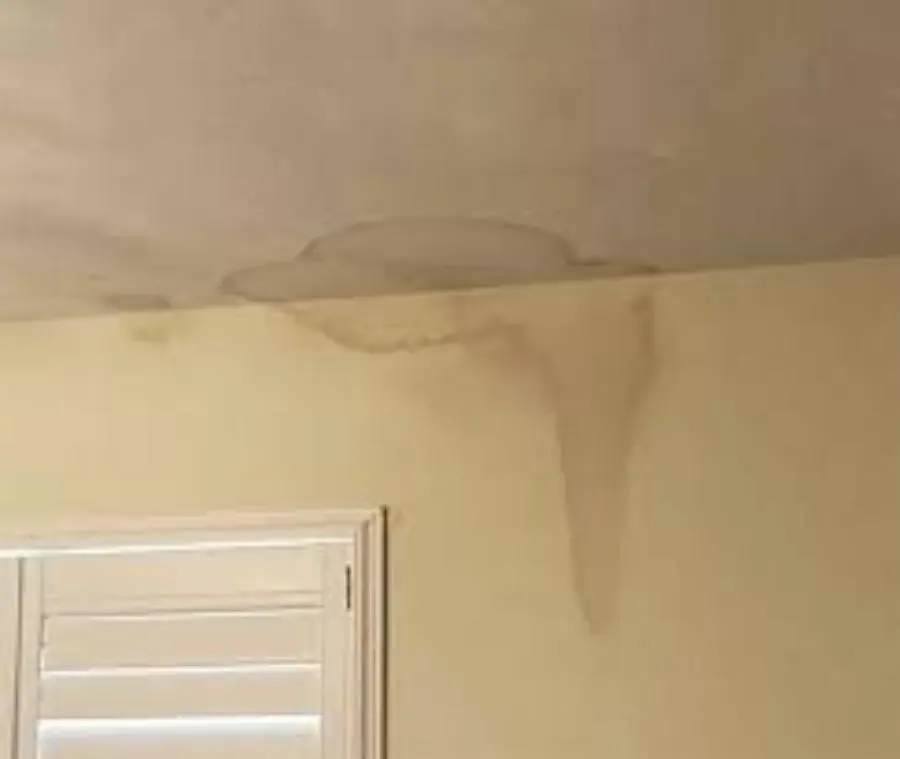
A frozen pipe often leaks only when it thaws, sometimes hours later, inside a finished wall or ceiling. By the time water shows at a baseboard, the cavity, the insulation and the floor below may already be wet. The tech who does the walkthrough uses thermal imaging and meters to follow the water before anything is cut, and the frozen pipe risk check helps judge the next cold night.
Older Monroe homes and the first cold snap
Older homes near downtown can have little insulation in the outside walls, and remodels sometimes move pipes into them. Kitchen sinks on outside walls, bathrooms over unheated porches and laundry pipes in attached garages freeze first, often on the first very cold night of the season or when a house sits empty with the heat turned down.
Drying the wall, not just the floor
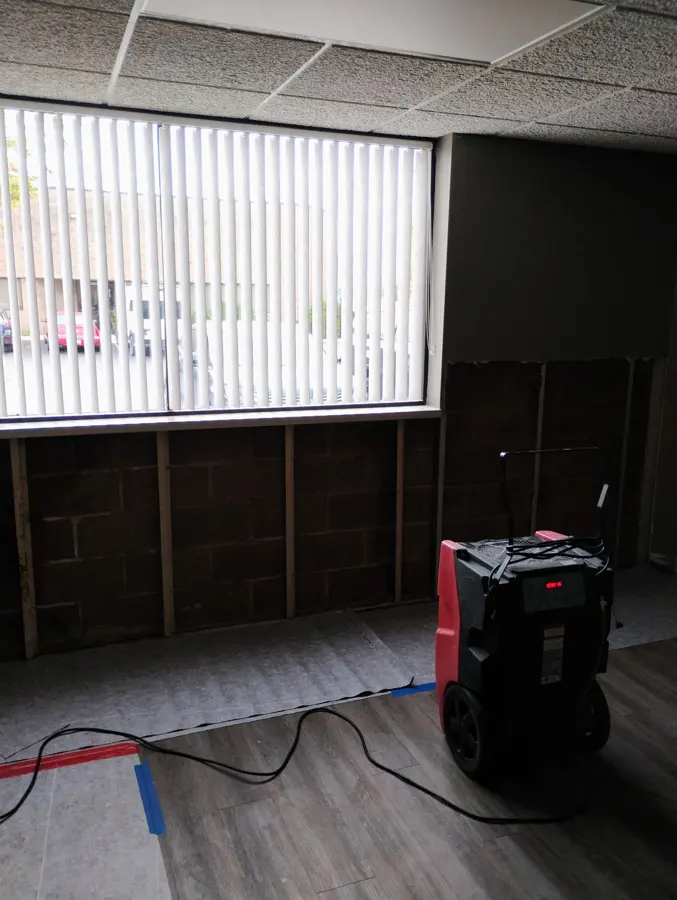
Wet insulation inside an outside wall holds water against the studs and sheathing, so it usually comes out. The drying team opens the wall low, dries the cavity with air movers and dehumidifiers and checks the studs until they read dry. Ready.gov winter weather advice covers keeping pipes from freezing, and the National Weather Service cold safety page explains extreme cold warnings.
Frozen pipe water damage across Monroe and nearby communities
Monroe Water Damage Restoration covers ZIP 48161 and 48162 with 24/7 dispatch, from Downtown Monroe and the Old Village along the River Raisin to Orchard East between the river and Plum Creek, the North Monroe Street and Telegraph Road neighborhoods and the homes off LaPlaisance Road on the south side.
Nearby coverage reaches Frenchtown Township and the Lake Erie beach communities, Monroe Township, Raisinville, LaSalle, Luna Pier, Newport, Carleton and Dundee.
More water damage services in Monroe
Frozen Pipe Water Damage questions in Monroe, MI
What temperature freezes pipes?
Water freezes at 32 F, but pipes in unheated spaces are most at risk once it drops to about 20 F outside. Older Monroe homes with little wall insulation reach that point sooner.
My pipe is frozen but not leaking. What now?
Shut off the main first, open the faucet it feeds and warm the pipe gently. Never use an open flame. If it split, water appears as it thaws.
Why is the damage worse than a normal leak?
The pipe often thaws inside a wall or ceiling, so water spreads unseen for hours before anyone notices.
Does the whole wall have to be opened?
Usually not. The drying team opens the lower part of the wall or the wet section of ceiling, removes soaked insulation and dries the cavity.
Is frozen pipe damage covered by insurance?
Sudden pipe bursts are often covered, but some policies limit coverage if the home was left unheated. Check with your own insurer.
How can I keep pipes from freezing again?
Keep the heat at 55 F or higher, open cabinet doors on outside walls during cold snaps, let a faucet drip and shut off outdoor hose bibs from inside before winter.
Frozen pipe burst in Monroe? Call now.
Shut off the main first. The restoration team extracts the water, opens the wet wall where needed and dries the cavity to the IICRC S500 goal.