Sewage Backup Cleanup in Oregon, OH
Backed-up sewage is contaminated water, so the crew contains the area, removes the water and anything it soaked, cleans and treats the surfaces, then dries the structure to a measured finish with every step documented.
(888) 612-9219Call about sewage in an Oregon home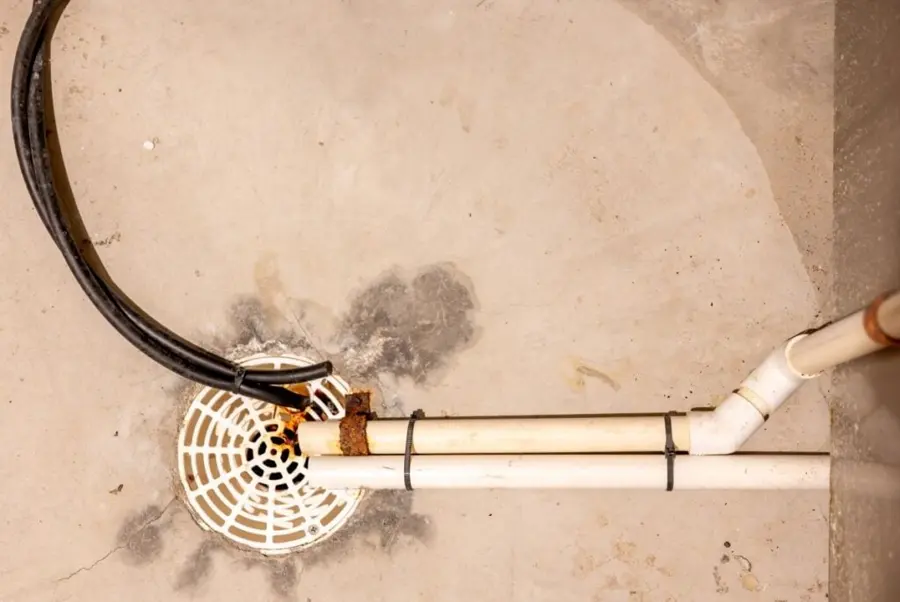
First steps for sewage backup cleanup in Oregon
- 1Stay out and shut off
Keep people and pets out, stop using drains and toilets, and switch off power to wet areas.
- 2Avoid direct contact
Skip wading, mopping or vacuuming, since sewage spreads bacteria on boots, hands and equipment.
- 3Photograph the source
Capture the drain, the water and affected belongings from the doorway before anything moves.
- 4Call for containment
Give the crew the area affected so containment and removal can be sized correctly.
What does sewage backup cleanup cost in Oregon, MI?
Sewage backup cleanup runs $2,500 to $5,000 for a small unfinished area, $5,000 to $10,000 for a finished basement, and $9,000 to $15,000 or more when it spreads beyond the basement. Scope drives the total.
| Size of the loss | Typical range | What usually moves it |
|---|---|---|
| Small unfinished space | $2,500 to $5,000 | Hard floor only, cleaned and treated, brief drying afterward |
| Finished basement | $5,000 to $10,000 | Carpet and drywall out, contained work area, structural drying |
| Beyond the basement | $9,000 to $15,000+ | Several rooms affected, heavy material removal, extended antimicrobial treatment |
Planning ranges, not a quote: the water category, the wet square footage, the material class and how soon drying started move the final number most. The water damage cost calculator narrows it for your own loss.
How sewage backup cleanup is handled in Oregon
- 1
Contain
Barriers and HEPA filtration isolate the affected area.
- 2
Extract and remove
Sewage is pumped out and soaked porous materials are bagged.
- 3
Clean and treat
Surfaces and framing are cleaned, then treated.
- 4
Dry and verify
Equipment runs until readings return to normal, and the file goes to the adjuster.
Sewage backs up when wastewater has nowhere else to go, and it carries bacteria, so it is never treated as ordinary water damage. The goal is to remove what the water touched, clean what stays and keep contamination from traveling to unaffected rooms.
How backups happen in Oregon
The city says sanitary sewer overflows typically happen in extreme wet weather, when rain and groundwater fill the system.
- A full sewer relieves pressure through backups at its lowest points
- The oldest sanitary sewer pipes date to the late 1920s
- Clay pipe built before 1970 tends to weaken at joints and connections
- Stormwater connections such as footer tiles add load during heavy rain
What the city is doing about it
The city's Inflow and Infiltration Reduction Program, started in 2007, works to take stormwater out of the sanitary sewer, and its Basement Backup Grant shares the cost of installing backwater valves and removing stormwater connections such as footer tiles. Oregon Codified Ordinance 925.26 also bars stormwater, groundwater and roof runoff from the sanitary sewer. Sewer rehabilitation has covered Cresceus Heights, Euclid Park and Old Eastmoreland, with later phases planned for other neighborhoods.
What the cleanup involves
The crew sets up containment and negative air with HEPA filtration so contaminated dust and mist stay out of clean rooms. Standing sewage is extracted, then carpet, pad, baseboards and lower drywall that touched it are removed and bagged, since porous materials cannot be made safe. Hard surfaces and framing are cleaned and treated with an antimicrobial, and drying equipment runs until readings are normal.
A backup that starts at a floor drain during heavy rain often overlaps with basement flooding cleanup, and widespread contaminated water from the lake or ditches falls under river and lake flood cleanup.
Sewage backup cleanup across Oregon and nearby communities
Sewage backup work covers Oregon, OH, including the Wheeling Street Sanitary District and the North Oregon Sanitary Sewer District, neighborhoods such as Moundview and Ketcham's Home Gardens, and homes, apartments and businesses throughout ZIP code 43616. Crews also respond along Pickle Road, Portland Street, Arthur Street and Hayden Street.
The same service nearby: sewage backup cleanup in Monroe, Flat Rock, Milan.
More water damage services in Oregon
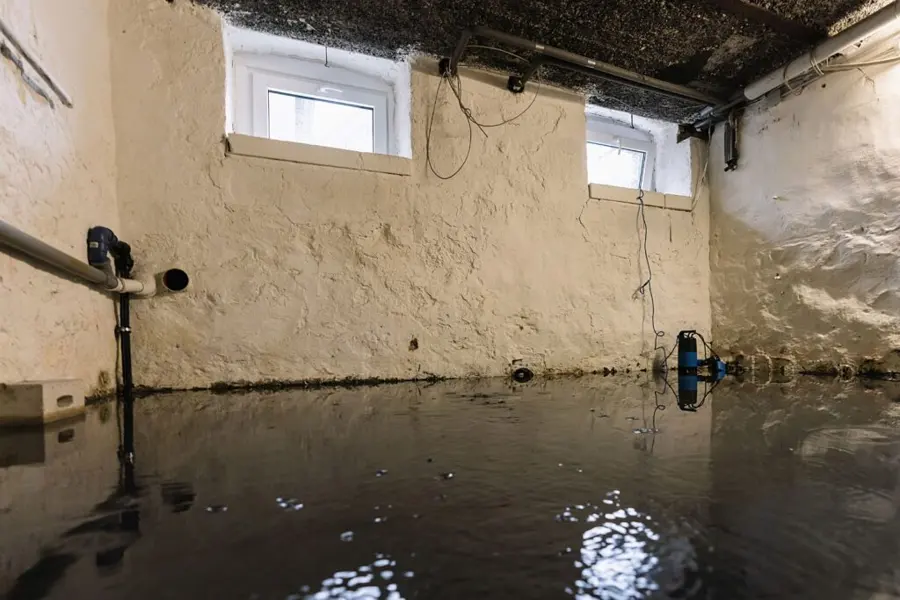 Basement Flooding Cleanup in OregonSee the service
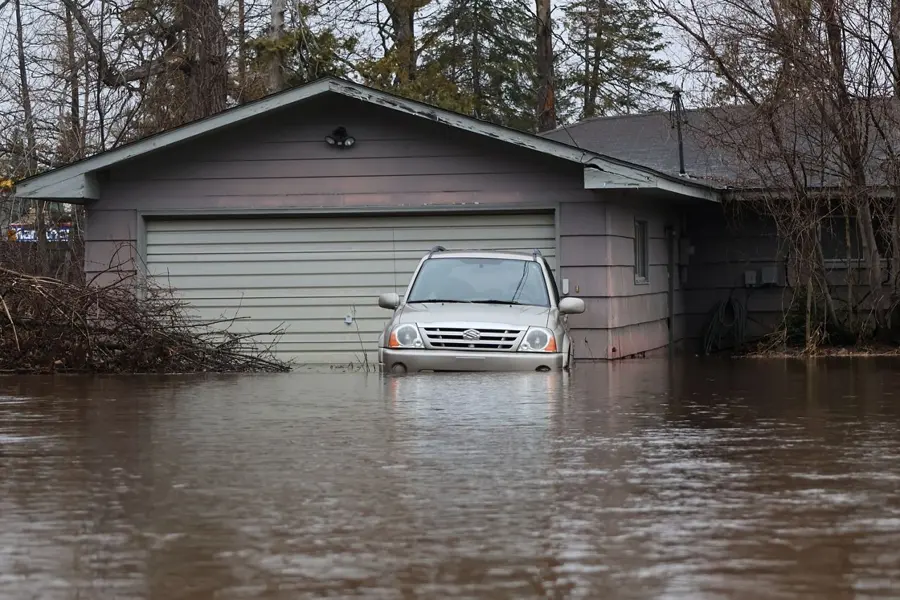 River and Lake Flood Cleanup in OregonSee the service
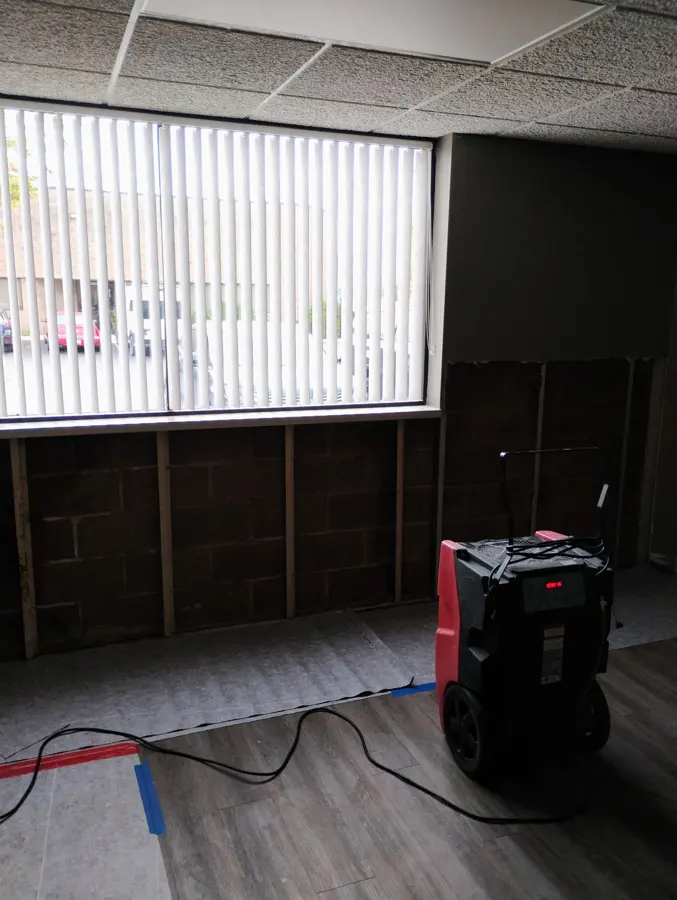 Structural Drying and Dehumidification in OregonSee the service
Sewage Backup Cleanup in MonroeSee the service
Water damage restoration in OregonLocal page
Every town the team coversService areas
Sewage Backup Cleanup questions in Oregon, MI
What causes sewage to back up in Oregon?
The city says backups typically come in extreme wet weather, when rain and groundwater fill the sanitary sewer, though a blockage or a failed pipe can also cause one.
Is sewage backup water safe to clean up alone?
No. It carries bacteria, so contact with skin or food surfaces is a health risk that calls for protective gear and containment.
What happens to carpet and drywall that touched sewage?
Porous materials such as carpet, pad and drywall cannot be cleaned reliably, so they are cut out and bagged, while hard surfaces and framing are cleaned and treated.
Can a backwater valve prevent the next backup?
A backwater valve closes when sewage flows backward, which helps stop a repeat, and the city's Basement Backup Grant helps share the installation cost under terms the city sets.
Does homeowners insurance cover a sewer backup?
Often only with a sewer backup endorsement, since a standard policy may exclude it, so the claim file should show the source, the category and dated photos before anything is discarded.
Sewage in an Oregon home calls for containment first
The crew seals off the area, removes contaminated water and materials, cleans and treats what stays, and documents each step for the claim.