Emergency Water Extraction in Oregon, OH
Truck-mounted units, submersible pumps and portable extractors pull standing water out of Oregon basements, garages and living areas, so drying can begin on the structure instead of the puddles.
(888) 612-9219Call an Oregon extraction crew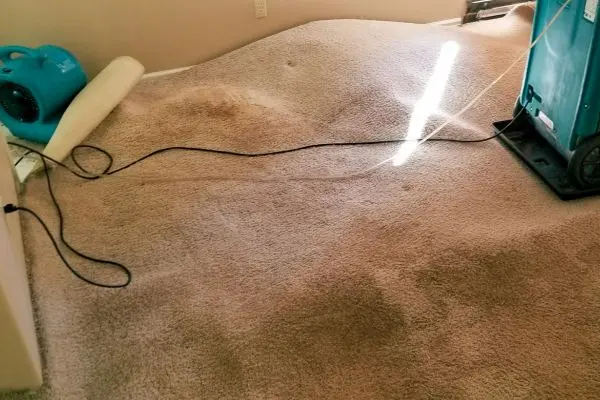
First steps for emergency water extraction in Oregon
- 1Shut off the source
Close the shutoff or breaker feeding the wet area, and stay out of deep water near outlets.
- 2Photograph the water
Capture depth marks, furniture and the source before pumps move anything.
- 3Call the extraction crew
Describe depth, flooring and whether the water looks clean, cloudy or dark so the right equipment is loaded.
- 4Keep valuables clear
Lift small items and furniture legs off wet floors, but leave carpet and pad for the crew.
What does emergency water extraction cost in Oregon, MI?
Emergency extraction usually runs from about $400 for one room of clean water to $4,500 or more when the water is deep or contaminated. Depth, floor area, carpet and pad removal, and the water category set the figure.
| Size of the loss | Typical range | What usually moves it |
|---|---|---|
| Single room, clean water | $400 to $900 | Shallow depth, carpet or hard floor, portable extractor |
| Basement or several rooms | $900 to $2,000 | Carpet and pad lifted, truck-mounted unit, several rooms pumped |
| Deep or contaminated water | $2,000 to $4,500+ | Submersible pumps, black water handling, containment set up |
Planning ranges, not a quote: the water category, the wet square footage, the material class and how soon drying started move the final number most. The water damage cost calculator narrows it for your own loss.
How emergency water extraction is handled in Oregon
- 1
Assess the depth
The crew measures depth, identifies the source and notes the category before pumps start.
- 2
Pump it out
Submersible and truck-mounted units remove the bulk; wands finish carpet, stairs and corners.
- 3
Remove what cannot dry
Saturated pad and soaked baseboards come out so the subfloor can breathe.
- 4
Set drying equipment
Air movers and dehumidifiers go in, and moisture readings continue until the structure is dry.
Standing water keeps wicking into pad, drywall and framing for as long as it sits. In Oregon, where Lake Erie, Maumee Bay and its many ditches shape how water moves, pumping it out is the first real step of any cleanup, whether the source is a failed pump, a pipe or storm water.
Which equipment fits which job
The depth of the water and the flooring underneath decide the tool, and the crew sizes it before pumping starts.
- Submersible pumps for several inches of standing water in basements
- Truck-mounted extractors for carpet and pad across large areas
- Portable extractors and wands for stairs, closets and tight rooms
- Squeegee and wet-vac passes on hard floors to lift what remains
Why Oregon water takes careful handling
Oregon was once part of the Great Black Swamp, a region described as water-retaining clay, till and organic soil that settlers drained with ditches and buried clay tiles. Ground like that releases water slowly, so a flooded lower level can stay wet long after the rain stops unless the water is pumped out. The July 5 to 6, 2026 storm in neighboring Jerusalem Township flooded homes, farms and roads there, a reminder of how fast water can overwhelm a neighborhood.
What happens after the water is out
Pumping removes the bulk, but carpet, pad, baseboards and wall bottoms stay damp. The crew checks them with a moisture meter and thermal camera, removes what cannot recover, and sets air movers and dehumidifiers so the structure dries instead of sitting wet. Photos and readings are saved for the claim.
Cleanup after pumping continues with structural drying, and a source such as a drain backup moves the job into sewage backup cleanup.
Emergency water extraction across Oregon and nearby communities
Extraction runs across Oregon, OH, from the Navarre Avenue and Wheeling Street corridors to waterfront properties on Lake Erie and Maumee Bay, and in neighborhoods such as Cresceus Heights, Euclid Park and Old Eastmoreland, plus rentals, apartments, shops and offices throughout ZIP code 43616. Dispatch runs day and night.
The same service nearby: emergency water extraction in Monroe, Flat Rock, Milan.
More water damage services in Oregon
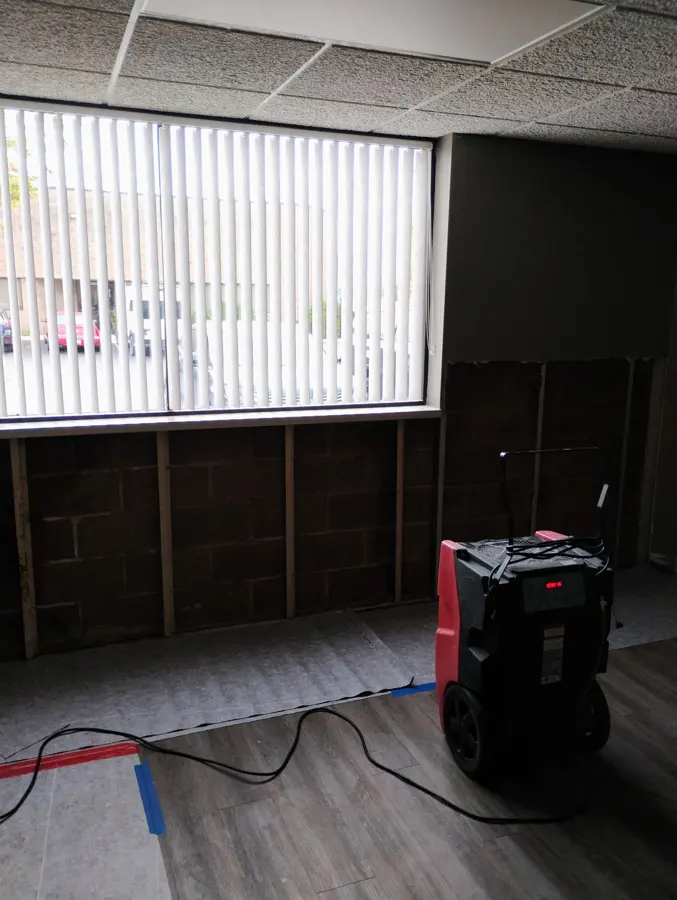 Structural Drying and Dehumidification in OregonSee the service
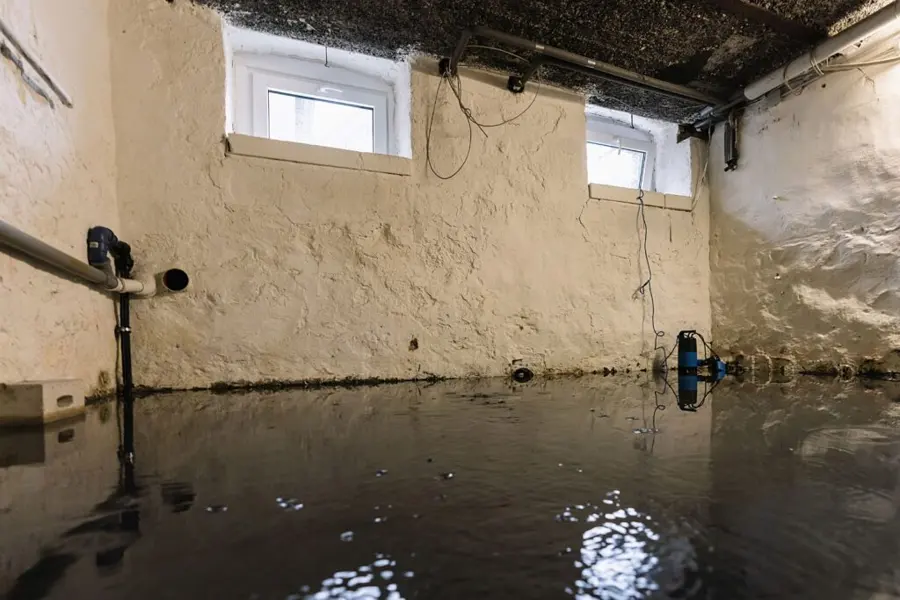 Basement Flooding Cleanup in OregonSee the service
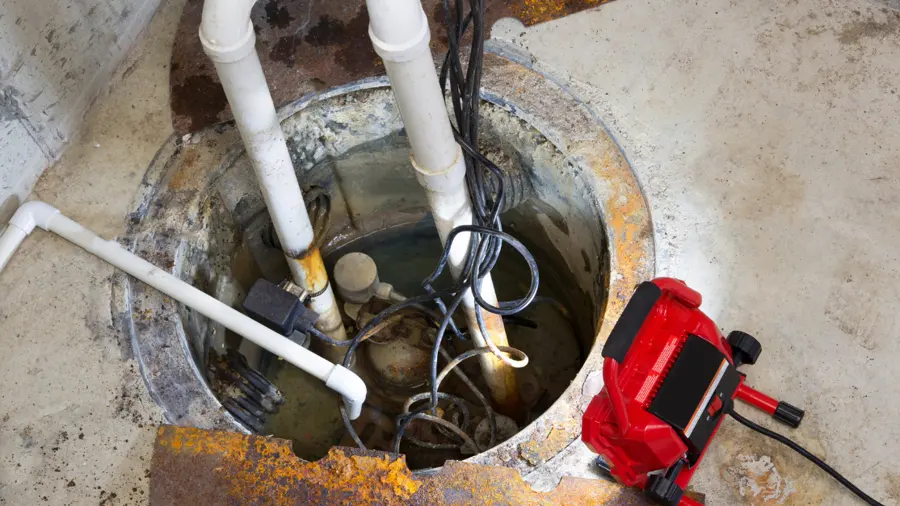 Sump Pump Failure Cleanup in OregonSee the service
Emergency Water Extraction in MonroeSee the service
Water damage restoration in OregonLocal page
Every town the team coversService areas
Emergency Water Extraction questions in Oregon, MI
How deep does water need to be before pumping is required?
Anything a wet vacuum cannot keep up with calls for pumps, and even a thin film under carpet needs extraction.
Can carpet and pad be saved after extraction?
Clean-water carpet can often be extracted and dried in place, while pad is usually replaced, and carpet touched by sewage or flood water is normally discarded.
Does the local clay soil change how water is handled?
The former Great Black Swamp region is described as water-retaining clay, so water that gets into a lower level can linger, which is why pumping comes before drying.
Is pumped sewage water handled differently?
Yes. Water from a drain backup is treated as contaminated, so the area is contained, the water is removed with dedicated equipment and affected materials are discarded before drying.
Does insurance cover water extraction?
Sudden pipe, appliance and storm losses are often covered, while sewer backup and surface flood water depend on added coverage or a flood policy, so the source and photos go in the file first.
Can a homeowner pump out a flooded lower level alone?
A small amount, yes, but a household wet vacuum rarely clears pad and subfloor, and standing water near outlets or a panel is an electrical hazard.
Standing water in an Oregon property needs pumps
Share the depth and flooring when calling, and the crew sizes pumps, wands and drying equipment to the room before anything is torn out.