Water Damage Restoration Flat Rock, MI
24/7 water damage restoration in Flat Rock, MI. The Flat Rock water damage pros extract standing water, dry framing, floors and basements to the IICRC S500 standard and keep a claim-ready record.
(888) 612-9219Flooded basement in Flat Rock? Call nowFrom the Woodcreek subdivision to homes along Telegraph Road and the Huron River.
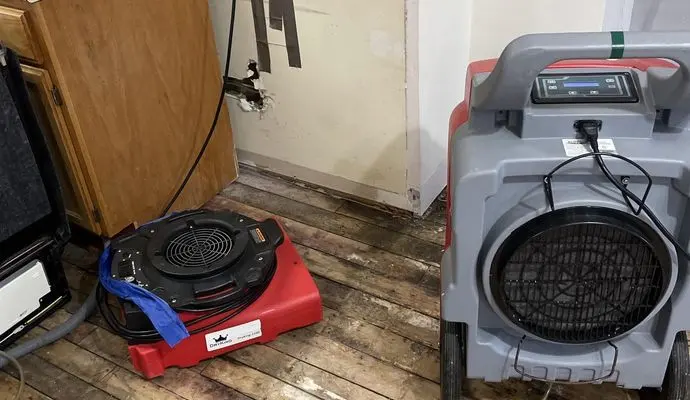
Water Damage Restoration Services in Flat Rock, MI
Fourteen water and sewage services for Flat Rock, from detached homes and apartment communities to manufactured homes, schools and businesses across the city.
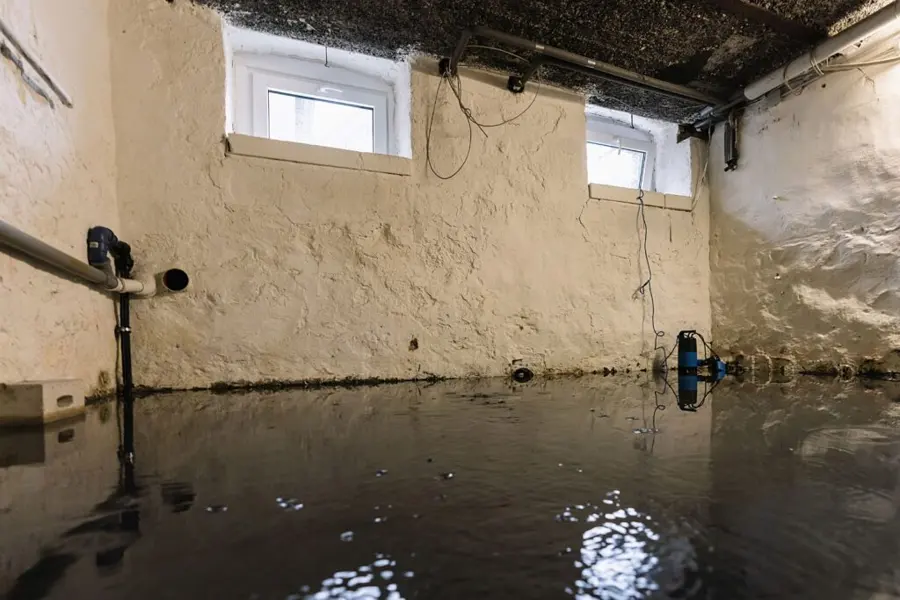 Aspen, Tamarack and Magnolia, July 2019Basement Flooding CleanupCloudburst water in basements pumped out, the source sorted and the space dried to a verified reading.How it is handled
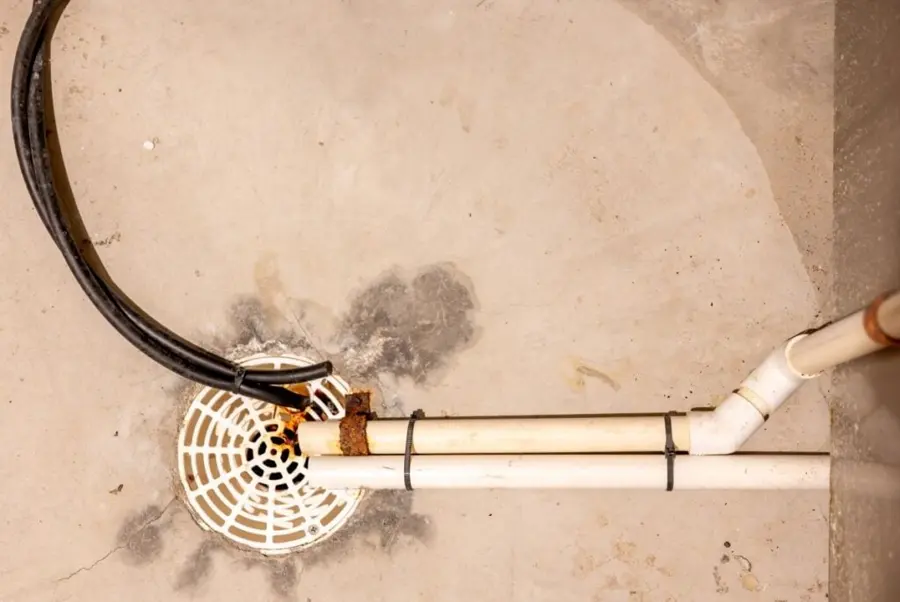 Sanitary sewers to the SHVUA plantSewage Backup CleanupFloor drain and toilet backups handled as Category 3: contained, removed, cleaned and treated.How it is handled
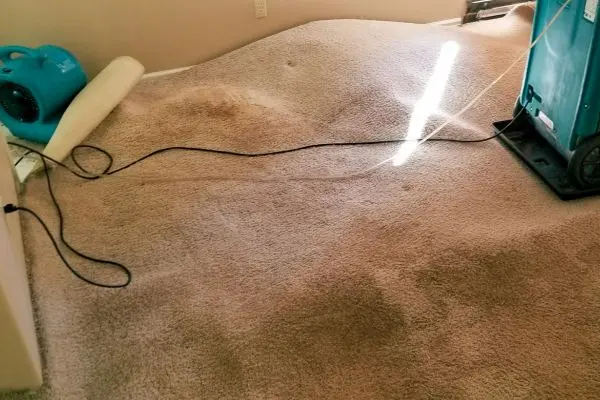 Emergency Water ExtractionStanding water pulled from basements, carpet and pad with truck-mounted or portable extraction units.How it is handled
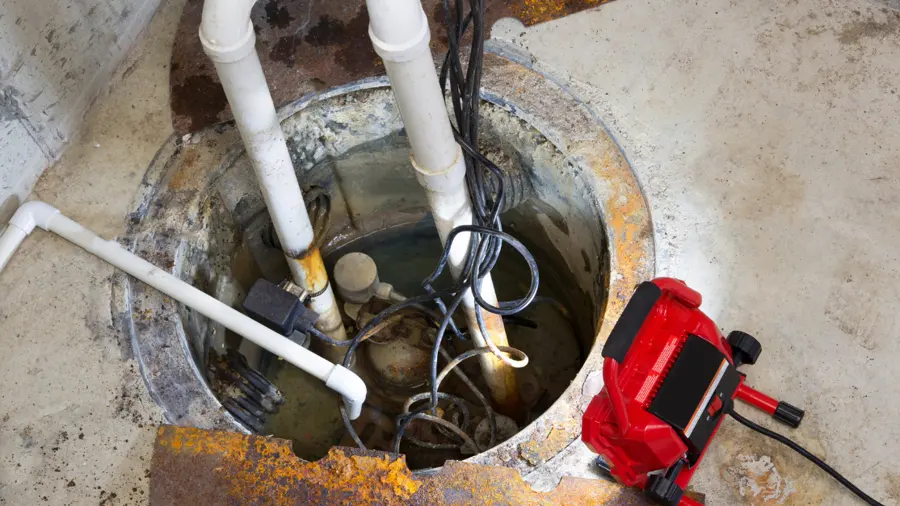 Sump Pump Failure CleanupA sump or ejector pump that quits in a storm: water extracted and the basement dried.How it is handled
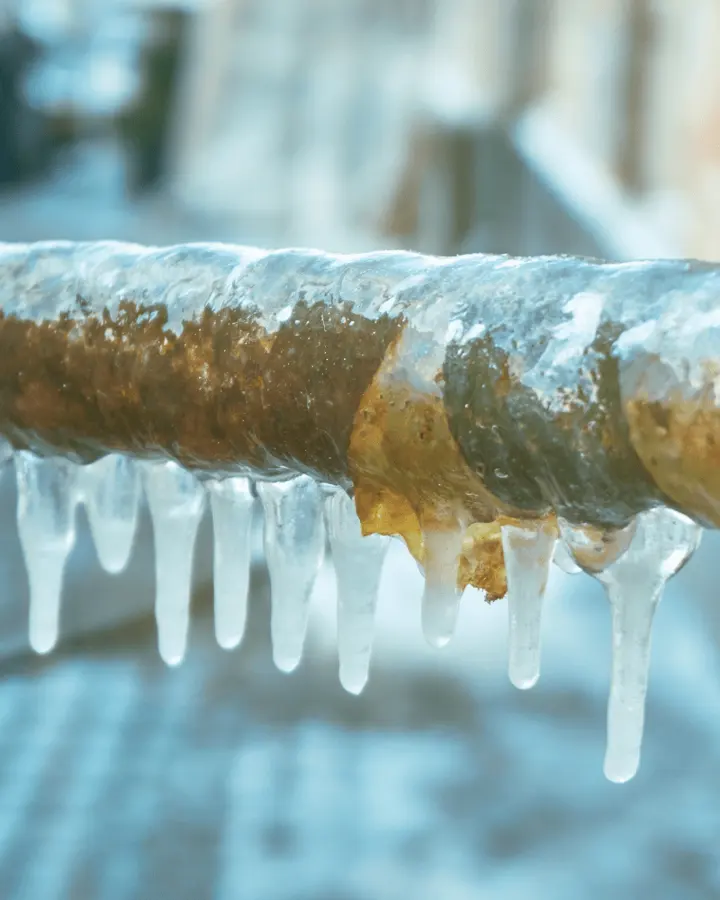 Frozen Pipe Water DamagePipes split in outside walls or unheated spaces during extreme cold, dried inside the cavity.How it is handled
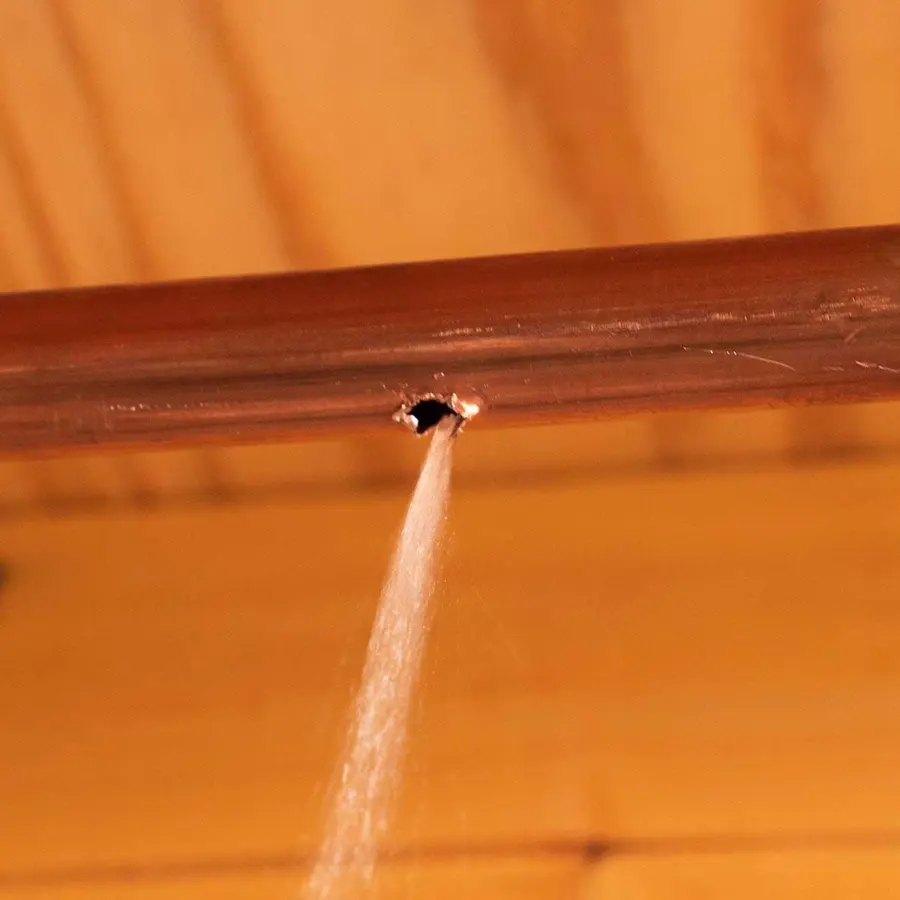 Burst Pipe Water DamageFailed supply pipes and fittings traced, and the wet walls and ceilings opened and dried.How it is handled
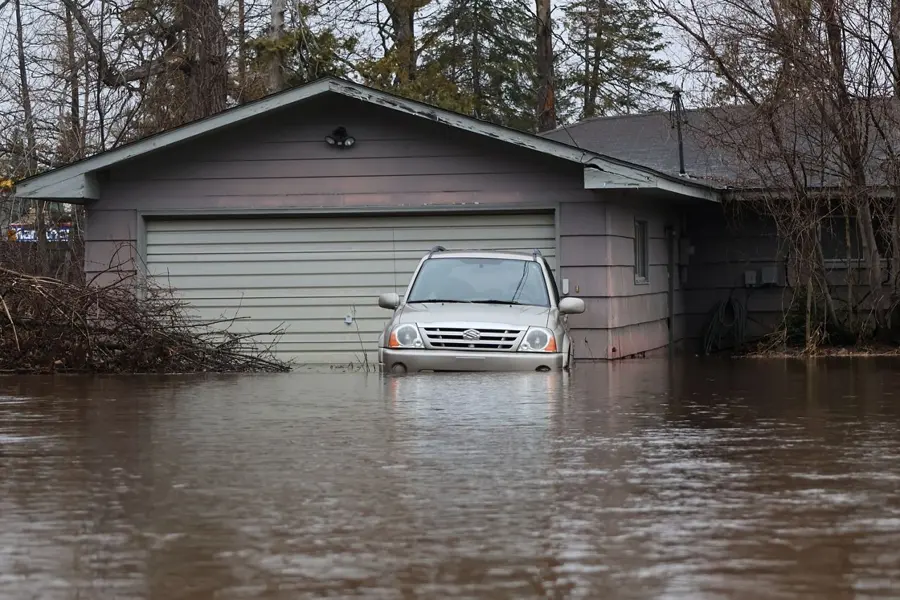 River and Lake Flood CleanupOutside water from overwhelmed drains and flooded streets cleaned out as Category 3 and dried.How it is handled
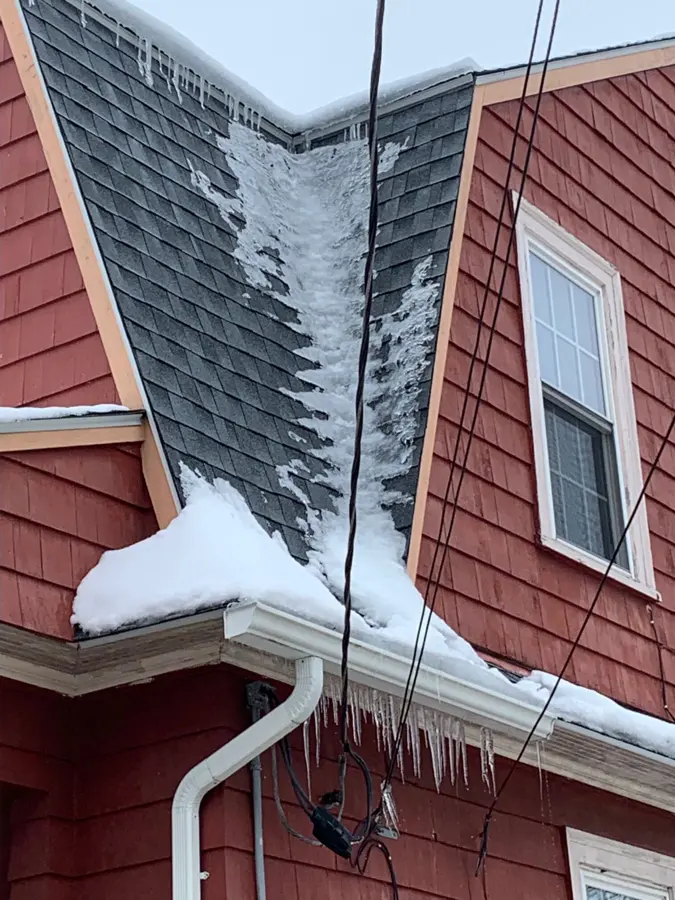 Ice Dam Water DamageWinter meltwater backed up at the eaves into attic insulation, walls and ceilings.How it is handled
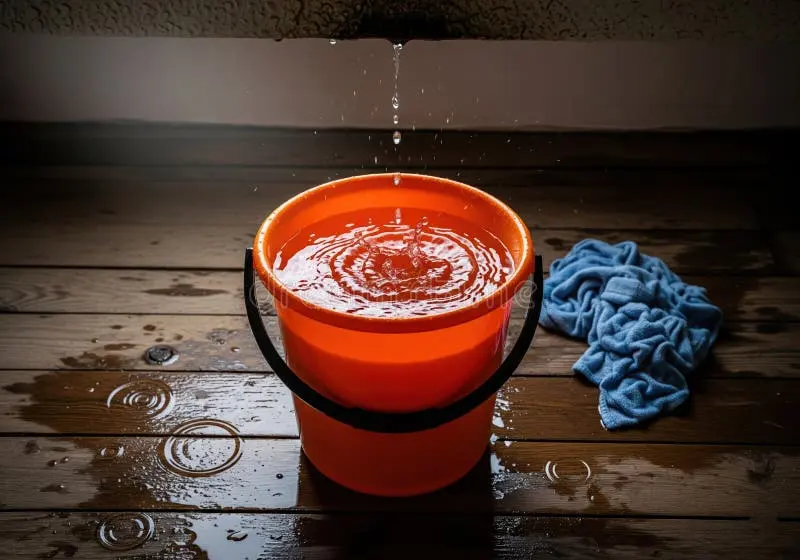 Roof Leak Water DamageWind-driven rain through shingles, siding gaps and flashing, with the attic and rooms dried.How it is handled
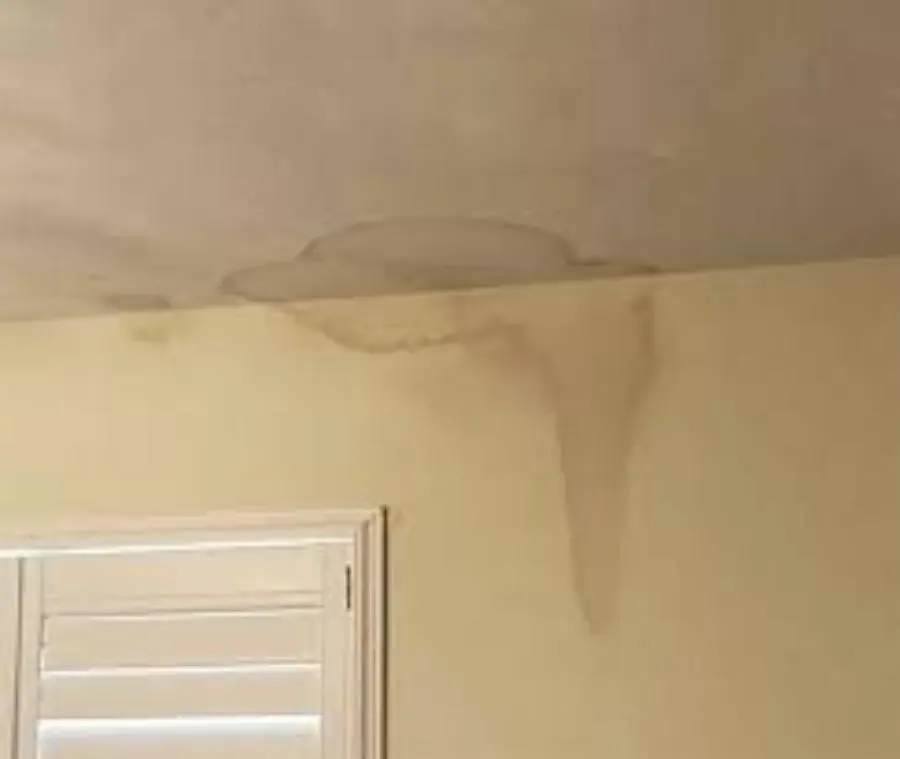 Ceiling Leak Water DamageLeaks from the unit or bathroom above traced and the joist bays dried.How it is handled
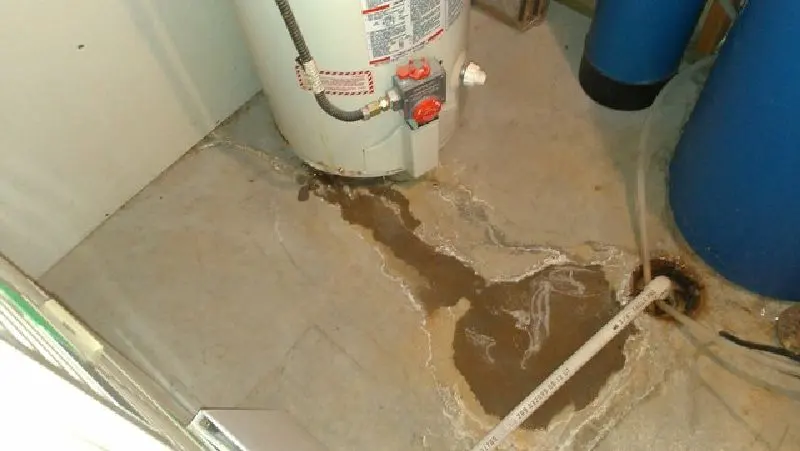 Water Heater Leak CleanupTank and tankless water heater leaks extracted before finished floors soak through.How it is handled
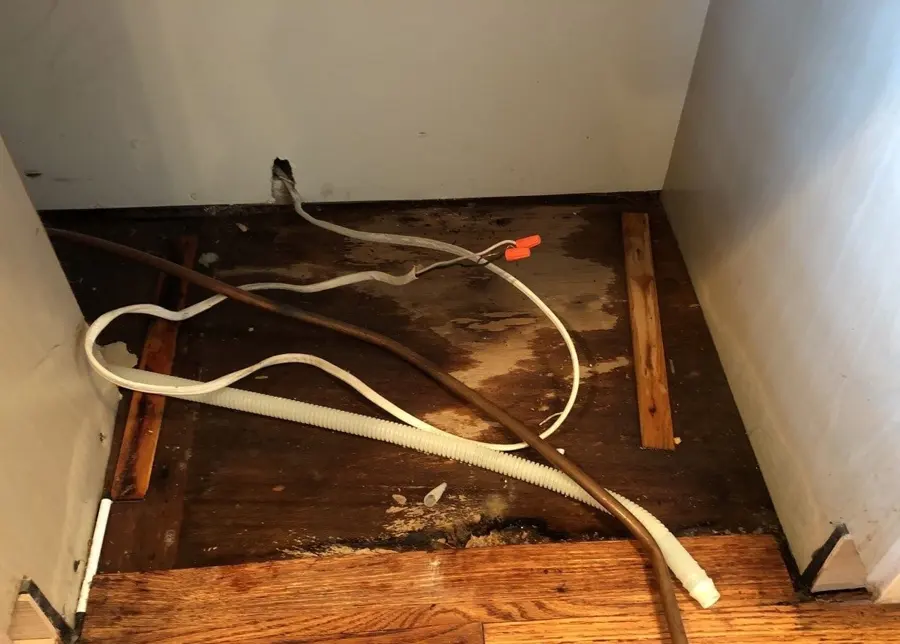 Washer and Dishwasher Leak CleanupLeaks from washers, dishwashers and ice makers dried beneath flooring, cabinets and the unit next door.How it is handled
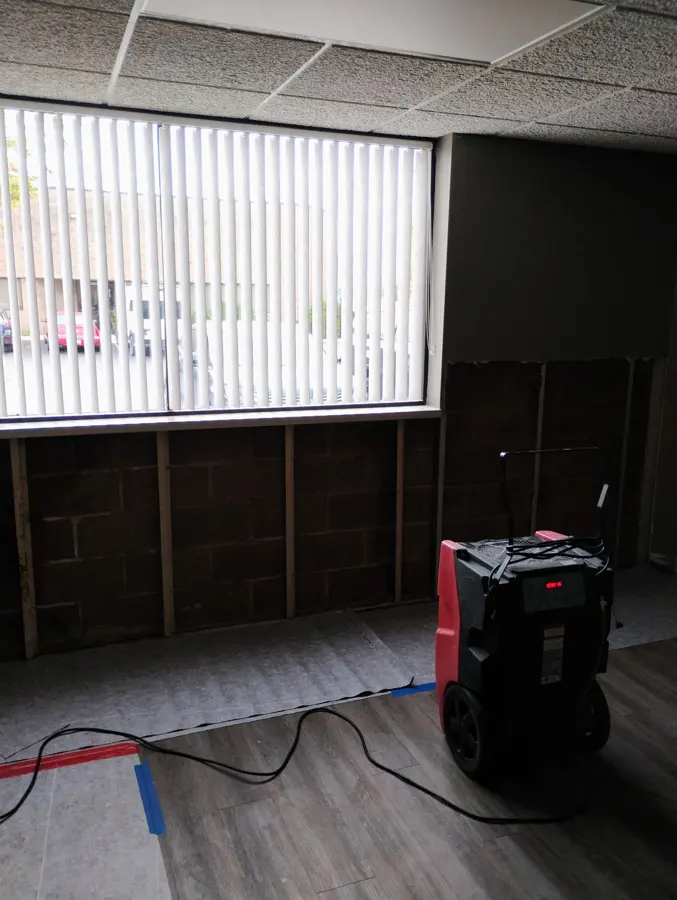 Structural Drying and DehumidificationFraming, subfloor and drywall from several decades of building dried to the readings.How it is handled
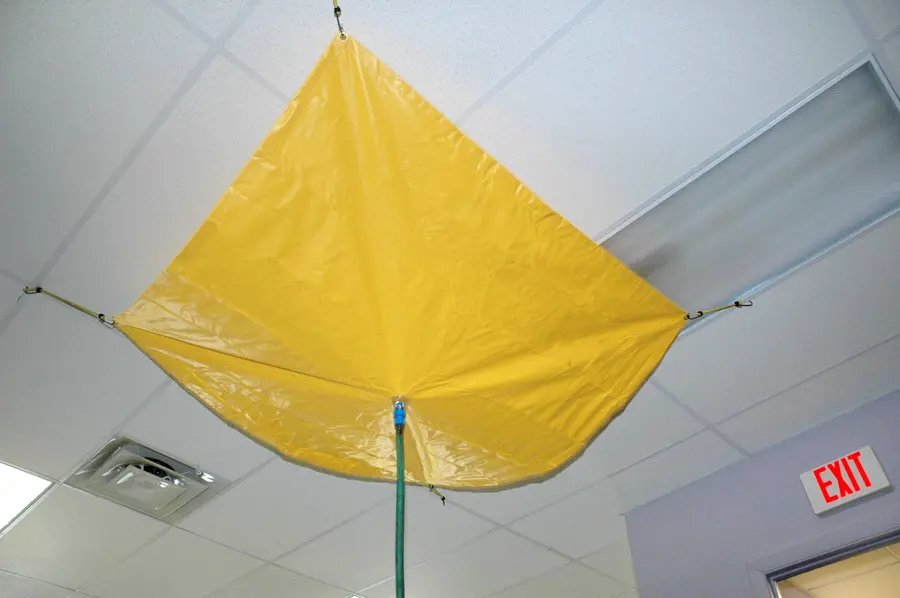 Commercial Water DamagePlants, schools, apartment communities and shops dried in phases with records per space.How it is handled
What every Flat Rock water loss gets
The mitigation team measures first, dries before anything is rebuilt and records every step, whatever the source of the water.
Rapid local response
Dispatch runs around the clock for Flat Rock and the Downriver area, and active water is handled as urgent, nights and holidays included.
IICRC S500 drying standard
Air movers and LGR dehumidifiers are sized to the class of loss, so framing and subfloor dry, not just the surface.
Claim-ready documentation
The file collects moisture maps, a daily psychrometric log and time-stamped photos taken before anything is removed.
Flat Rock water know-how
The July 2019 cloudburst that flooded basements on Aspen, Tamarack and Magnolia shows how fast water gets in.
What to do in the first hour of a water loss
- 1Close the main valve
Find the main shutoff, usually where the water service enters the house, and turn it off before anything else.
- 2Switch off wet circuits
Cut power to wet rooms at the breaker box, but only if you can reach it standing on a dry floor.
- 3Keep clear of the water
Water around a furnace, a washer or an outlet can carry current. Keep everyone, pets included, out of it.
- 4Take photos first
Photograph every wet room and the water level on the walls before moving anything; the claim file starts here.
- 5Raise belongings, then call
Lift boxes and rugs off the floor. The first 24 to 48 hours decide how much dries in place.
Dried to the IICRC S500 standard in Flat Rock
The IICRC S500 standard sets how a water loss is measured, dried and checked. The drying team reads the structure first and leaves only when the numbers say it is dry.
- 1
Map the moisture
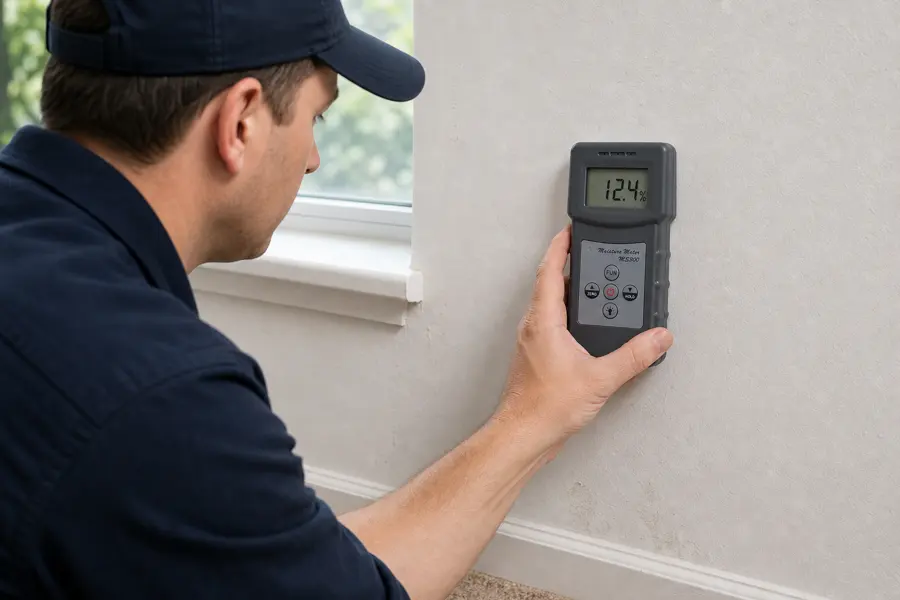
Thermal imaging and pin and pinless meters show where water traveled inside walls, floors and ceilings before equipment goes down.
- 2
Extract
Portable or truck-mounted extractors lift the standing water out of carpet, pad and bare concrete.
- 3
Dry the structure
Air movers sweep the wet surfaces while LGR dehumidifiers capture the moisture those surfaces release into the air.
- 4
Verify dry
The log gets fresh readings every day, and the equipment leaves only once wet materials come within 2 to 4 points of a dry reference.
What a real Flat Rock dry-out uses
- Thermal imaging cameras and moisture meters for hidden water
- Truck-mounted and portable extractors with weighted carpet tools
- Air movers matched to each room's evaporation load
- LGR dehumidifiers, with desiccants for dense materials
- HEPA air scrubbers and containment for sewage and flood losses
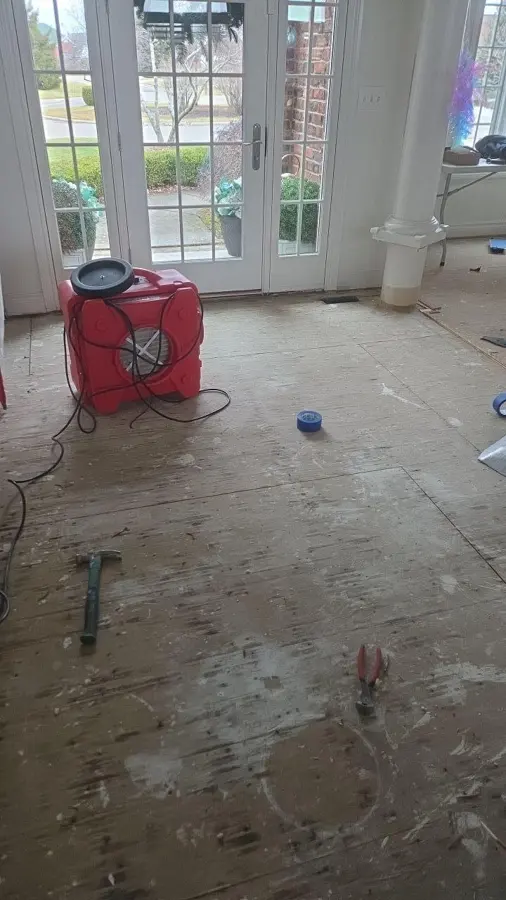
Cloudbursts and the Huron River in Flat Rock
The Huron River runs through Flat Rock, past the Flat Rock Dam and the Huroc Dam, toward Lake Erie.
- On July 19, 2019, a city official estimated as much as 6.2 inches of rain fell in about 35 minutes.
- Downpours that night overwhelmed drains, left water knee-deep in the Woodcreek subdivision and flooded basements and main roads.
- Water that pours in off streets and yards counts as Category 3: soaked materials come out and surfaces get an antimicrobial.
All water damage categories covered in Flat Rock, MI
Clean, gray and black water are not handled the same way; the category decides what dries in place and what comes out.
Category 1, clean water
Water straight from a supply pipe, a tank or an ice maker. Caught early, most of what it soaked dries without coming out.
Burst pipe water damageCategory 2, gray water
Discharge from a washer or dishwasher, or a clean leak that sat for days. Soaked pad and trim usually go.
Washer and dishwasher leaksCategory 3, black water
Sewage, floor drain backups and storm flood water. Porous materials are removed, then surfaces are cleaned and treated.
Sewage backup cleanupWhat does water damage restoration cost in Flat Rock, MI?
Most Flat Rock water damage jobs land between $800 and $10,000 or more. Price follows the category of water, how many square feet got wet, the material class and how soon drying began; sewage backups and finished basements run highest.
| Size of the loss | Typical range | What usually moves it |
|---|---|---|
| Small, one area | $800 to $2,500 | Clean water, found early, air movers and daily readings |
| Finished basement or two floors | $2,500 to $6,500 | Carpet, pad and drywall, some tear-out, LGR dehumidifiers |
| Major or Category 3 | $6,500 to $10,000+ | Sewage or flood water, containment and removal, full structural drying |
These figures plan; they do not quote. The cost calculator and the drying time estimator narrow them for a Flat Rock loss.
Documentation for your insurance claim
Adjusters decide water claims on the file. The restoration team assembles it while the drying runs, and a complete Flat Rock file holds:
- A moisture map from the first visit
- Psychrometric and moisture readings for every day of drying
- Timestamped photos taken before any material comes out
- The category and class of the loss
- An itemized scope adjusters can follow
Under Michigan Public Act 222 of 2001, a sewer backup claim against a local government needs proof of a defect the government knew or should have known about, plus a written claim within 45 days. Check your own policy with your insurer.
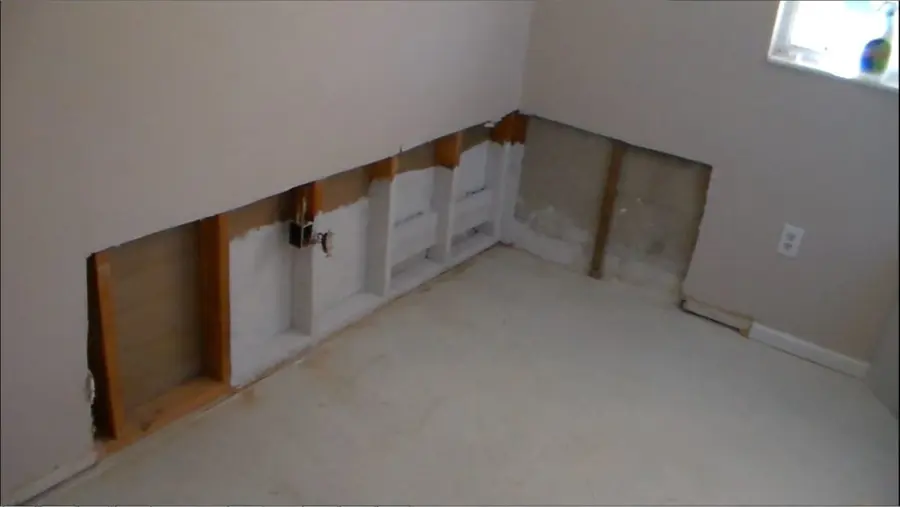
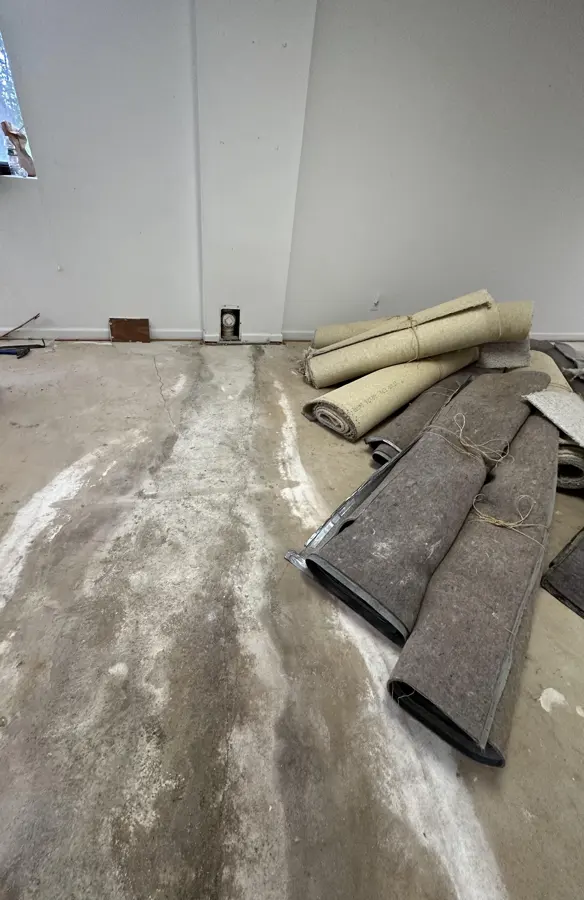
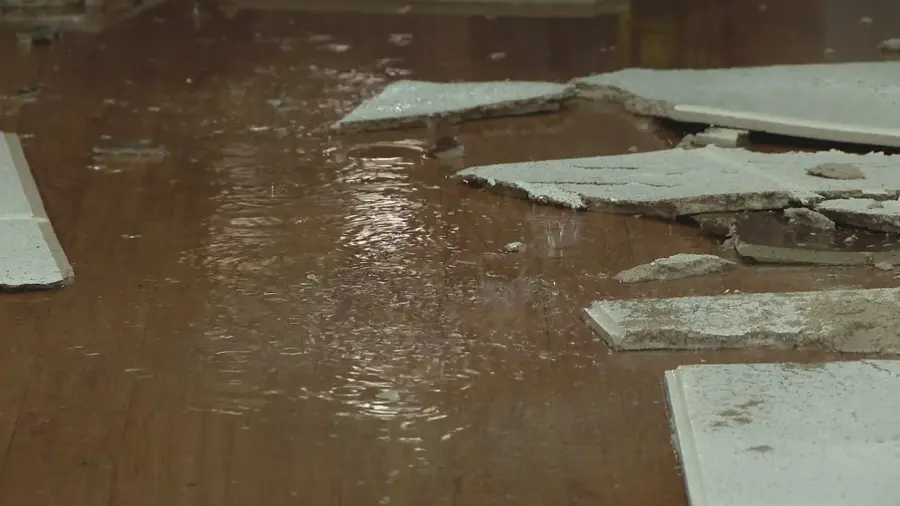
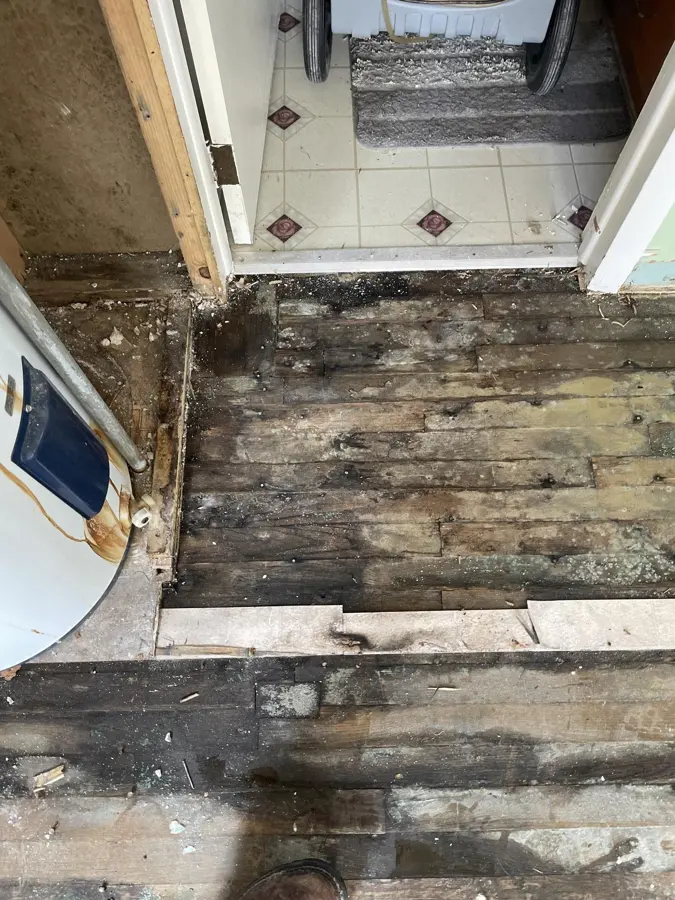
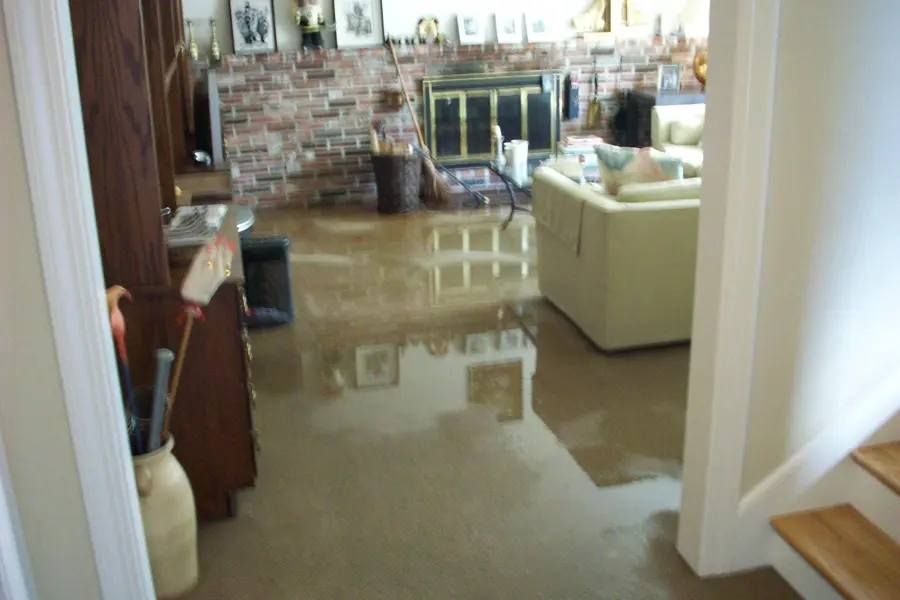
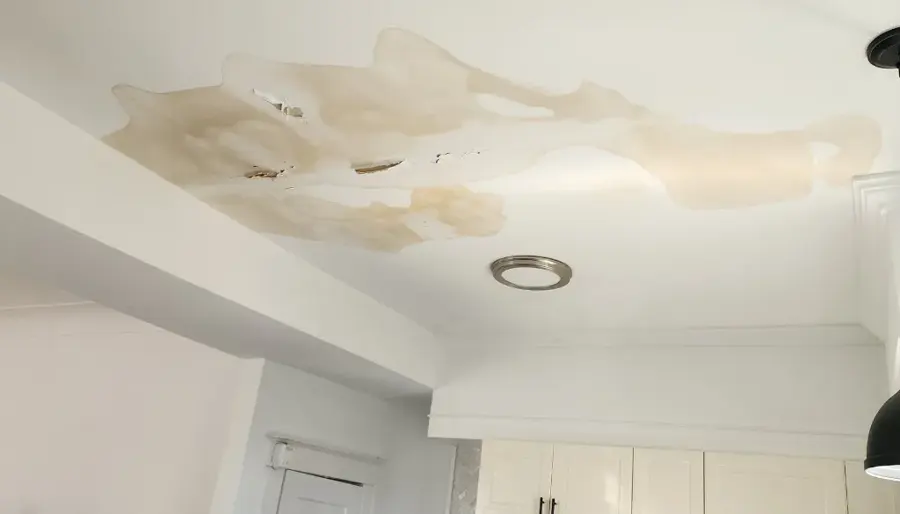
Inside a Flat Rock water damage dry-out
One call reaches Flat Rock water damage pros, 24/7
The Flat Rock water damage pros cover the city from Downtown Flat Rock and the Huron River to Woodcreek, Hawthorne Ridge and Rockridge Estates, and the apartment and manufactured home communities.
ZIP code covered
Flat Rock neighborhoods and corridors
Nearby communities
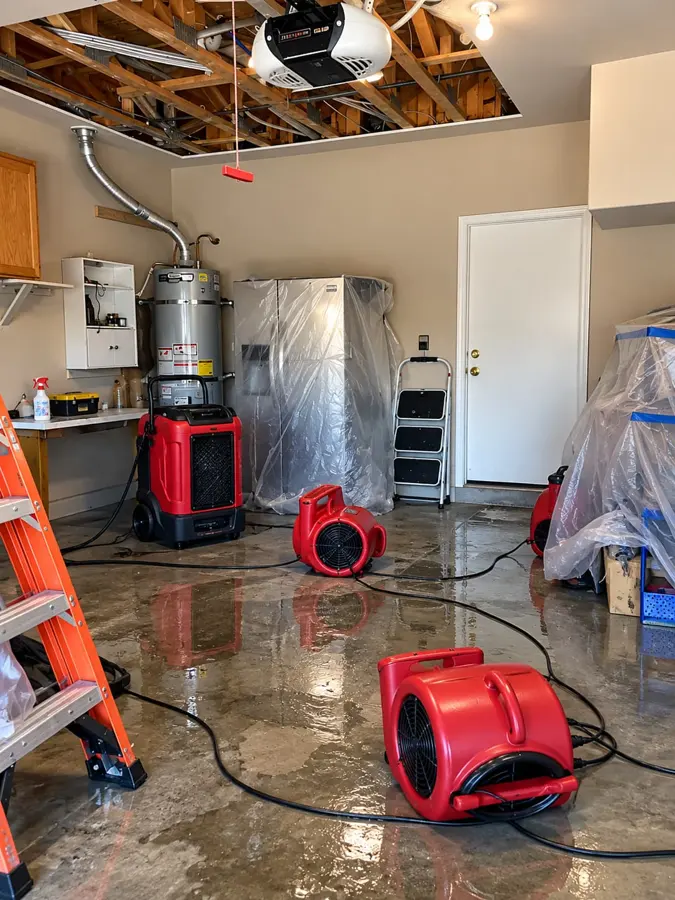
Water damage in Flat Rock, MI: the local risk profile
Flat Rock water losses follow its river, its storm sewers and a housing stock that runs from prewar homes to recent builds.
- 1Many building eras. The median Flat Rock home was built in 1985; 1,869 of the city's 4,169 homes predate 1980, and 804 are mobile homes.
- 2Cloudburst flooding. In the July 19, 2019 storm, water stood knee-deep in Woodcreek and basements flooded along Aspen, Tamarack and Magnolia streets.
- 3Sewers and the SHVUA plant. Sanitary sewers carry Flat Rock wastewater to the South Huron Valley Utility Authority plant, and city public works crews clean the sanitary and storm sewers and retention basins.
- 4A river and two creeks. The Huron River, Silver Creek and Smith Creek all run inside city limits, with the Flat Rock Dam and the Huroc Dam on the river.
- 5Storm wind and hard cold. Thunderstorm winds stripped siding from a mobile home near US-24 in September 2026, and Metro Detroit plumbers saw more frozen and burst pipes in January 2026.
Flat Rock water damage questions
How quickly does a crew respond in Flat Rock?
There is no closing time for dispatch, and active water in Flat Rock is handled as urgent at night, on weekends and on holidays. Extraction begins once the crew is in the door.
What should I do first if my Flat Rock basement floods?
If you can do it safely, close the main valve and cut power at a dry breaker panel. Stay away from water near the furnace or outlets, photograph how high it rose, then call; the first 24 to 48 hours decide what dries in place.
What kinds of water damage does Flat Rock see?
Basement flooding after cloudbursts like the July 19, 2019 storm, sewer backups, storm wind that opens siding and roofs, frozen pipes in cold snaps and everyday leaks from water heaters, washers and supply pipes.
How long does a Flat Rock dry-out take?
Most contained clean-water losses dry in three to five days. Finished basements, hardwood and dense materials take longer, and the equipment comes out only when the readings match a dry reference.
What does IICRC S500 mean?
It is the drying standard the restoration industry works to. It covers how a loss gets a category and a class, where drying equipment goes and how readings against a dry reference prove the job is done.
Where does Flat Rock sewage go, and why does it back up?
Flat Rock's sanitary sewers flow to the South Huron Valley Utility Authority plant. A backup in the house usually starts at a blocked sewer connection or a sewer overloaded by heavy rain, and either way it is Category 3.
Is a flooded basement covered by insurance?
Burst pipes are often covered; drain and sewer backup tends to need a separate endorsement, and flood water from outside needs a flood policy. Check your own policy with your insurer before assuming either way.
Can I file a claim with the city after a sewer backup?
Possibly. Under Michigan Public Act 222 of 2001, the written claim is due within 45 days after the backup is found, and it needs proof of a public sewer defect the government knew or should have known about.
Is mitigation the same as repair?
No. Mitigation limits the damage: extraction, removing what cannot be saved and drying the structure. Repairs such as drywall, flooring and paint come after the readings say the house is dry.
How is the cost worked out for a Flat Rock loss?
Four things set the number: the category of water, how much floor and wall got wet, what the materials are and how quickly drying began. For a planning range, try the water damage cost calculator.
Water in your Flat Rock home? Start the dry-out now.
Standing water keeps wicking into drywall, trim and subfloor. The Flat Rock water damage pros extract it, dry to the IICRC S500 goal and log every reading.