Basement Flooding Cleanup in Oregon, OH
Floor drain backups, footer tile seepage and storm water leave Oregon basements soaked, and the crew pumps the water down, removes wet carpet and drywall, and dries what remains until readings come back normal.
(888) 612-9219Call about a flooded Oregon basement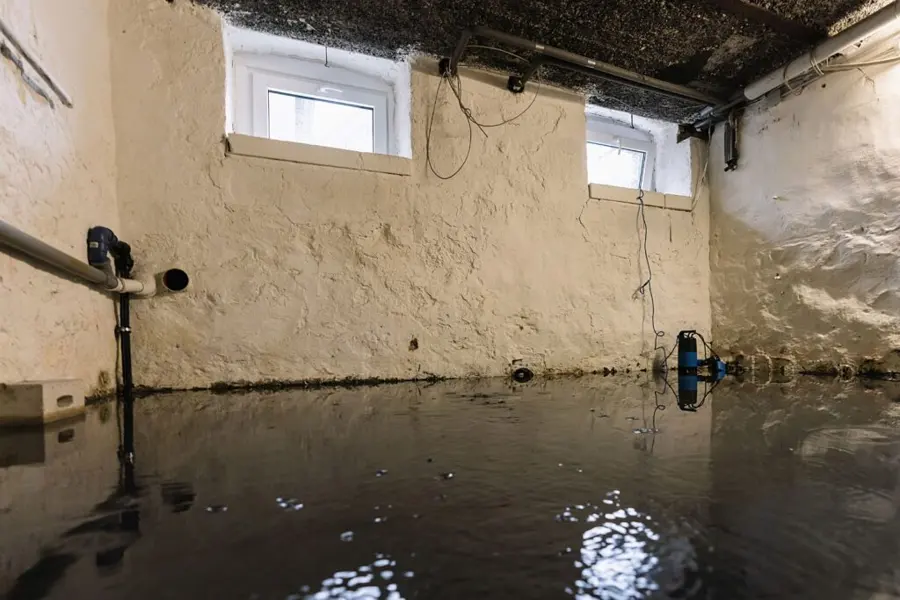
First steps for basement flooding cleanup in Oregon
- 1Stop the inflow
Shut off the supply if a pipe is the source, cut power to the wet area and avoid water that may be contaminated.
- 2Document the water
Photograph the floor drain, sump pit and wall marks before anything is moved.
- 3Call for pump-down
Report the depth and any finished flooring, and the crew brings pumps sized to the basement.
- 4Wait before tear-out
Leave wet carpet and drywall in place until moisture is mapped, and move only items that are safe and dry.
What does basement flooding cleanup cost in Oregon, MI?
Basement flooding cleanup usually costs $1,500 to $3,500 for an unfinished space with clean water, and $3,500 to $7,500 once carpet, pad and drywall are involved. A floor drain backup or flood water can reach $12,000 or more.
| Size of the loss | Typical range | What usually moves it |
|---|---|---|
| Unfinished basement, clean water | $1,500 to $3,500 | Pump-down and extraction, bare concrete floor, air movers and dehumidifiers |
| Finished basement, clean water | $3,500 to $7,500 | Carpet and pad removal, drywall cut above the wet mark, wall cavity drying |
| Floor drain backup or flood water | $6,000 to $12,000+ | Category 3 removal, containment and HEPA, antimicrobial treatment |
Planning ranges, not a quote: the water category, the wet square footage, the material class and how soon drying started move the final number most. The water damage cost calculator narrows it for your own loss.
How basement flooding cleanup is handled in Oregon
- 1
Pump down
Submersible pumps clear depth and extractors take what is left on the floor.
- 2
Trace the source
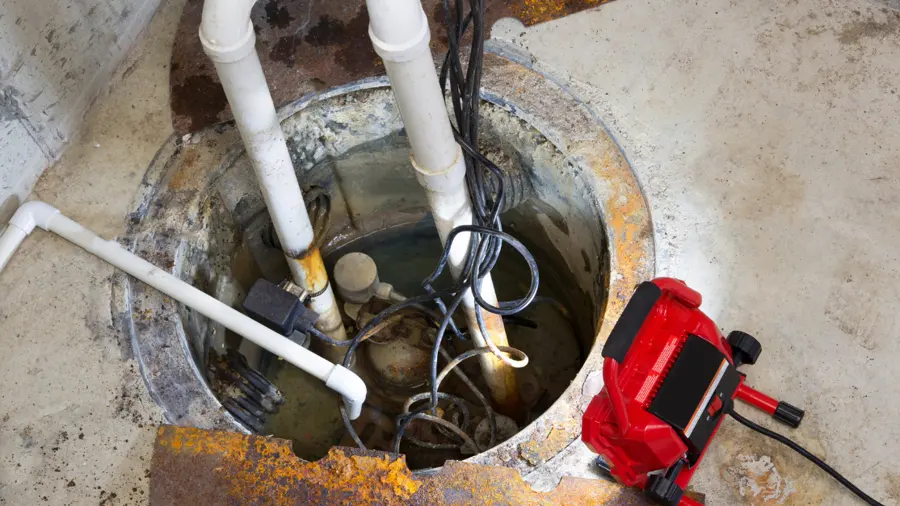
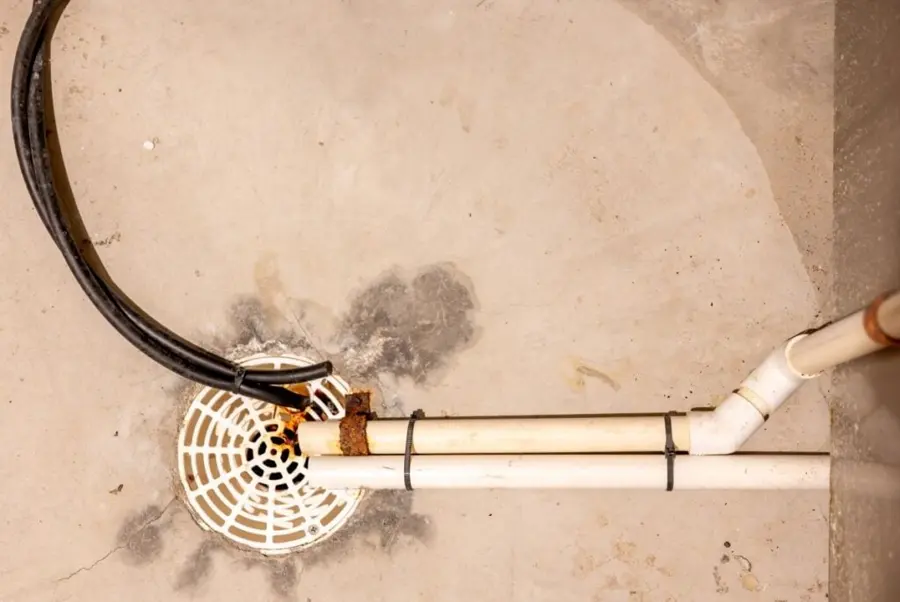
The crew checks the floor drain, sump pit, wall penetrations and supply pipes for the entry point.
- 3
Remove wet materials
Carpet, pad, baseboards and lower drywall that stayed wet are cut out and bagged.
- 4
Dry and verify
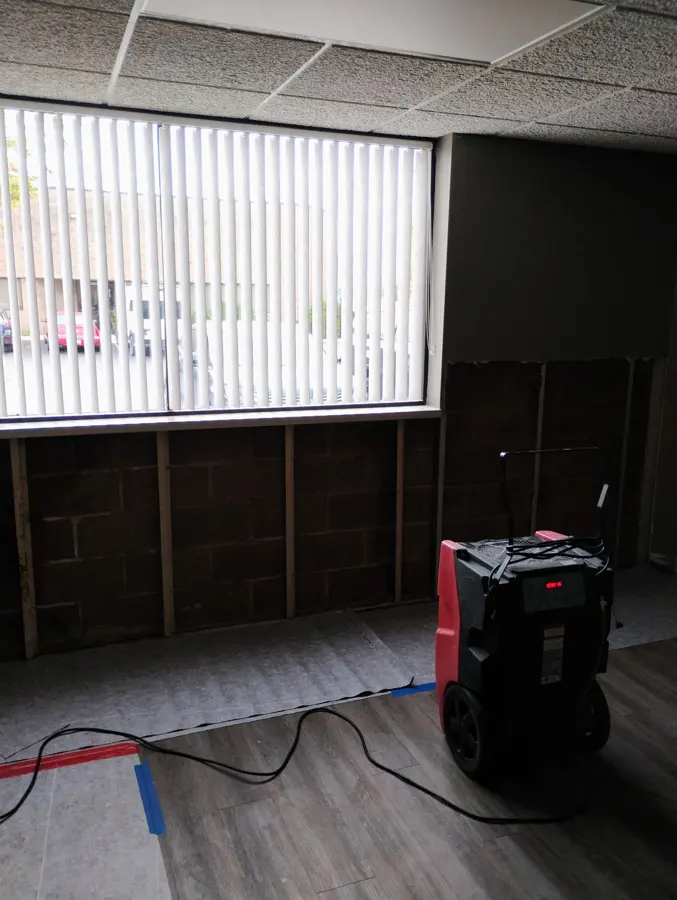
Equipment runs until the concrete, framing and wall cavities read within normal range.
Basement water in Oregon usually comes from one of a few places: a floor drain that backs up, footer tiles or groundwater seeping in, a failed sump pump, or a plumbing leak. Each source calls for a different plan, so the crew identifies it before anything is cut.
What the cleanup includes
The work moves from the pump to the structure in a set order, and each step is photographed for the claim.
- Pumping and extraction of standing water
- Carpet and pad removal where the water sat long enough to soak through
- Drywall cut above the wet mark so the wall cavity can dry
- Air movers and dehumidifiers run with daily moisture readings
Floor drains and footer tiles
The City of Oregon says a basement floor drain with footer tiles connected to it is one of the most common cases behind a basement backup, and that older construction typically sent footer tiles to the floor drain, which connects to the sanitary sewer. With 5,843 of Oregon's 8,673 homes built before 1980, that arrangement is a real local source.
Finished versus unfinished basements
An unfinished basement with bare concrete and block walls usually needs pumping, cleaning and a few days of drying. A finished one adds carpet, pad, baseboards and drywall, so more material comes out and the wall cavities need their own drying. Water from a floor drain is treated as contaminated, and that raises the removal and cleaning scope. Long-standing water soaks deeper into pad and wall bottoms and widens the tear-out.
A basement that keeps taking on water after a pump-down usually points to a sump pump failure or a backup that belongs under sewage backup cleanup, and the drying that follows is covered under structural drying.
Basement flooding cleanup across Oregon and nearby communities
Basement jobs run across Oregon, OH, including neighborhoods such as Cresceus Heights, Euclid Park, Moundview and Woodville Heights, the Wheeling Street Sanitary District, and houses, small multi-unit buildings and apartment complexes throughout ZIP code 43616. Crews also reach the lakeshore side near Bay Shore Road and the Navarre Avenue business area.
The same service nearby: basement flooding cleanup in Monroe, Flat Rock, Milan.
More water damage services in Oregon
Basement Flooding Cleanup questions in Oregon, MI
Why do basements in Oregon take on water?
Common sources are a floor drain tied to footer tiles, groundwater, a failed sump pump and a plumbing leak, and the city calls the footer-tile floor drain one of the most common backup cases.
What is a backwater valve and does it help?
A backwater valve is a one-way device in a drain that shuts when sewage tries to flow backward. The city's Basement Backup Grant shares the cost of installing them, and the city sets the terms.
Is carpet in a flooded basement always thrown out?
Clean-water carpet is sometimes extracted and dried, but pad is usually replaced, and anything soaked by a floor drain backup or flood water is removed and discarded.
How high does drywall get cut?
Drywall is usually cut above the highest wet mark, often a foot or so higher, so the cavity and insulation behind it can be reached and dried.
How long does a basement take to dry?
An unfinished basement often dries in a few days, while finished spaces with wet wall cavities take longer, and the drying time estimator gives a rough range.
Does a basement flood after a storm mean the sewer backed up?
Not always. Rain can seep through walls or overwhelm a sump pump, while backups come up through drains, so the crew checks which one happened because the cleanup scope and the insurance treatment differ.
A wet basement in Oregon calls for pumps and a plan
The crew pumps down, traces the drain or footer source and removes what cannot dry, with every step photographed for the claim.