Ceiling Leak Water Damage in Oregon, OH
A ceiling stain means water is already above the drywall, and the crew traces it to a pipe, a roof opening or the unit upstairs, removes what is soaked and dries the cavity before the stain spreads.
(888) 612-9219Call about a leaking Oregon ceiling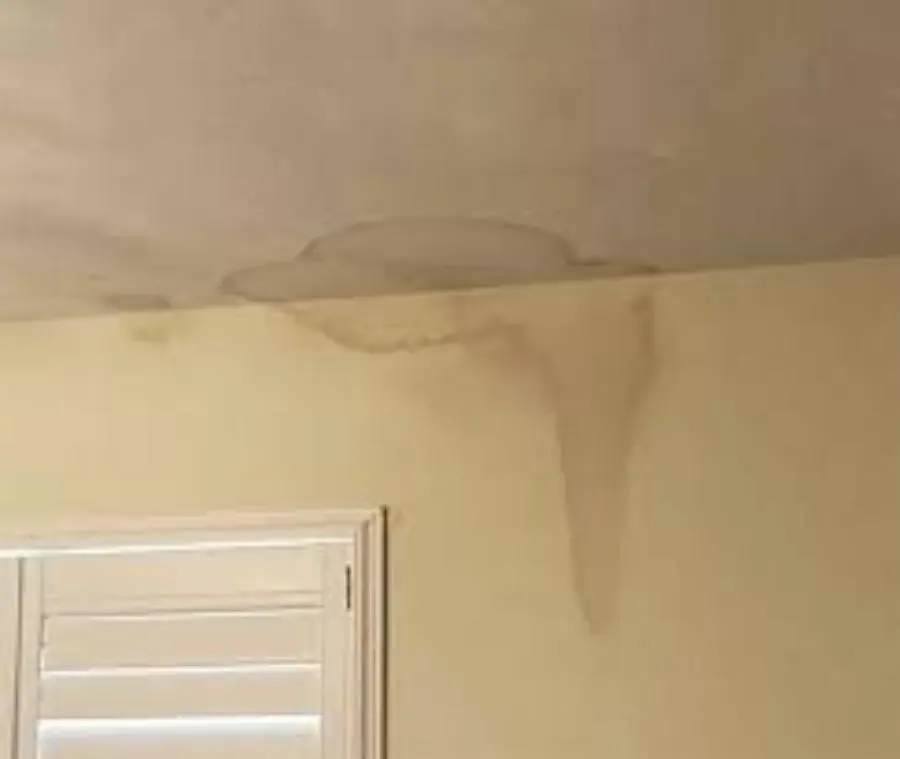
First steps for ceiling leak water damage in Oregon
- 1Stop the source
Shut off water if a pipe or fixture leaks, and note the room above the stain.
- 2Protect the room
Move furniture, set buckets under drips and avoid ceilings that bulge.
- 3Photograph the damage
Record the stain, the room above and any belongings affected before cleanup.
- 4Alert the building
In multi-unit buildings, tell the property manager so the unit above is checked.
What does ceiling leak water damage cost in Oregon, MI?
Ceiling leak cleanup runs $900 to $2,000 for a small stain with clean water, $2,000 to $4,000 for a sagging or opened ceiling, and $3,500 to $5,500 or more when toilet water or a large area is involved.
| Size of the loss | Typical range | What usually moves it |
|---|---|---|
| Light stain, clean water | $900 to $2,000 | One joist bay, dried in place, air movers and dehumidifier |
| Sagging or cut-open ceiling | $2,000 to $4,000 | Drywall opened, insulation removed, cavity drying |
| Toilet water or wide area | $3,500 to $5,500+ | Contaminated water removal, several rooms, antimicrobial treatment |
Planning ranges, not a quote: the water category, the wet square footage, the material class and how soon drying started move the final number most. The water damage cost calculator narrows it for your own loss.
How ceiling leak water damage is handled in Oregon
- 1
Trace the source
A meter and thermal camera follow the wet path to the pipe, roof opening or unit above.
- 2
Open and relieve
Sagging drywall is cut open so trapped water drains and wet insulation comes out.
- 3
Dry the cavity
Air movers push dry air across the joist bays while a dehumidifier removes moisture.
- 4
Verify and document
Readings confirm dry drywall and framing.
By the time a ceiling shows a stain, water has usually soaked the insulation and the back of the drywall, and the stain is just the part that reached the paint. Finding the source comes first, because drying a ceiling under a leak that is still running only wastes time.
Common sources above a ceiling
Four sources cause most ceiling leaks, and each leaves a different pattern.
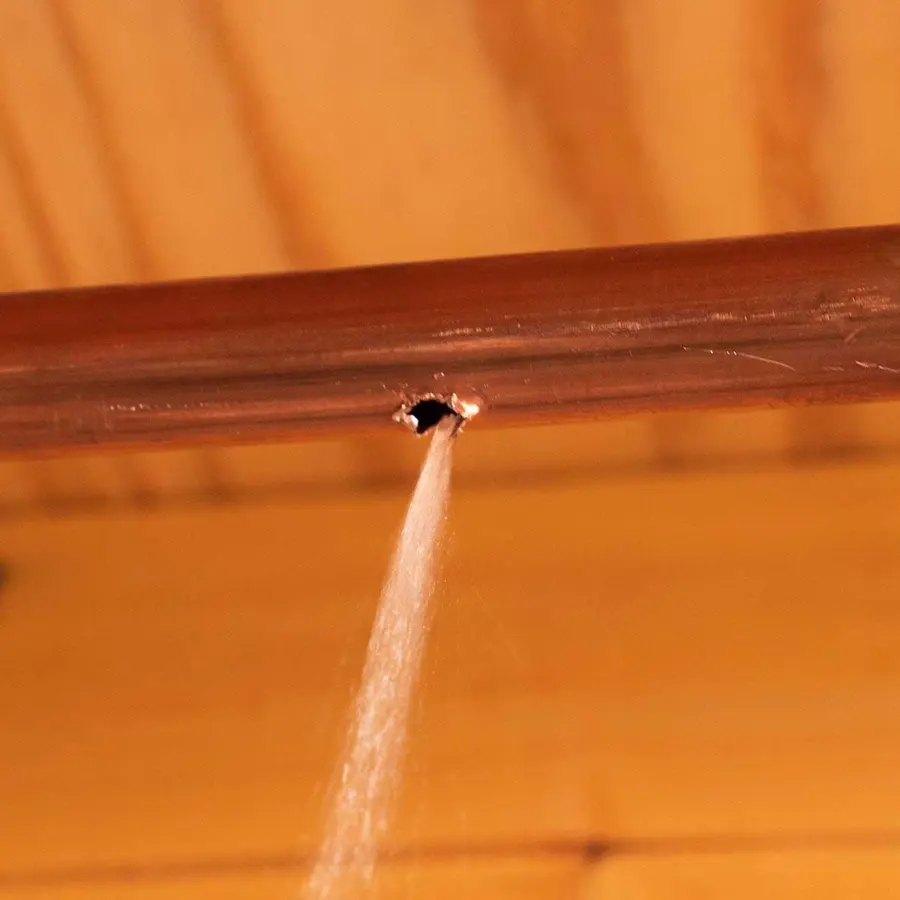
- A supply or drain pipe leaking in the floor above
- Roof or attic leaks after rain or melting snow
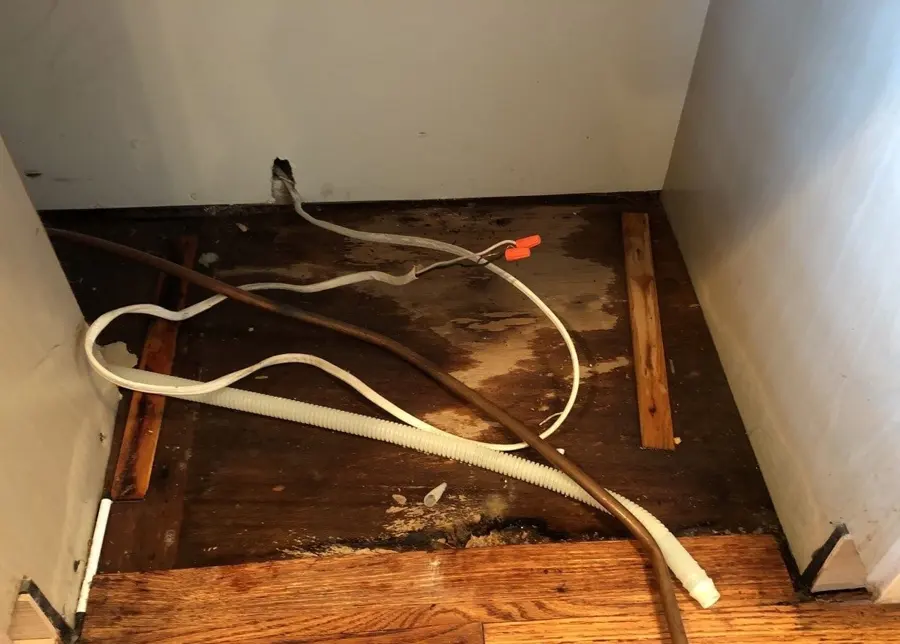
- A bathtub, toilet or appliance overflowing upstairs
- A leak in the unit above in a multi-family building
When the leak starts in the unit above
Oregon has 1,785 homes in buildings with two or more units, and 258 of them are in buildings of 50 or more units, so a ceiling leak can come from a neighbor's unit rather than from the owner's own roof or pipes. In that case the repair and the claim involve another household, which makes dated photos, readings and a clear record of the source especially important.
Opening the ceiling the right way
A light stain with firm drywall can often be dried in place with air movers and a dehumidifier. Drywall that sags, bubbles or feels soft is opened in a controlled cut, which drains trapped water and lets wet insulation come out. Ceiling work needs care around light fixtures and wiring, so power to that circuit is switched off before anything is cut.
A ceiling stain traced to rain is handled under roof leak water damage, and one fed by a pipe in the floor above often belongs with burst pipe water damage.
Ceiling leak water damage across Oregon and nearby communities
Ceiling leak calls cover Oregon, OH, including apartment buildings of 10 or more units, smaller multi-unit buildings, attached houses and detached homes across ZIP code 43616, from Navarre Avenue to Wheeling Street and Pickle Road. Crews dispatch day or night, including for shared-wall leaks between neighbors.
The same service nearby: ceiling leak water damage in Monroe, Flat Rock, Milan.
More water damage services in Oregon

Ceiling Leak Water Damage questions in Oregon, MI
Why is there a stain when the roof looks fine?
Water travels along framing before it drops, so a stain can sit far from the source, and a pipe, an upstairs fixture or a neighbor's unit are as likely as the roof.
Should a bulging ceiling be opened?
A controlled opening is safer than waiting, because a bulge can hold a lot of water and fail suddenly, but cutting near fixtures needs the power off.
Who pays when the leak comes from the unit above?
That depends on the lease or building rules and on the cause, so the source, dated photos and readings are documented for whichever insurer reviews the claim.
Is toilet overflow water different from a pipe leak?
Yes. Water from a toilet can carry waste, so it is treated as contaminated, and the ceiling, insulation and anything it soaked are removed rather than dried.
How long does a ceiling cavity take to dry?
Most ceilings dry in a few days with air movers and a dehumidifier, and readings on the drywall and joists decide when the equipment can leave.
A leaking Oregon ceiling needs the source found and the cavity dried
The crew traces the water, opens sagging drywall, removes wet insulation and dries the joist bays, with photos and readings kept for the claim.