Structural Drying and Dehumidification in Oregon, OH
After the water is out, structural drying uses meters, air movers and LGR dehumidifiers to pull moisture from framing, drywall and subfloors, with daily readings showing when each area has reached its dry standard.
(888) 612-9219Call about drying a wet Oregon structure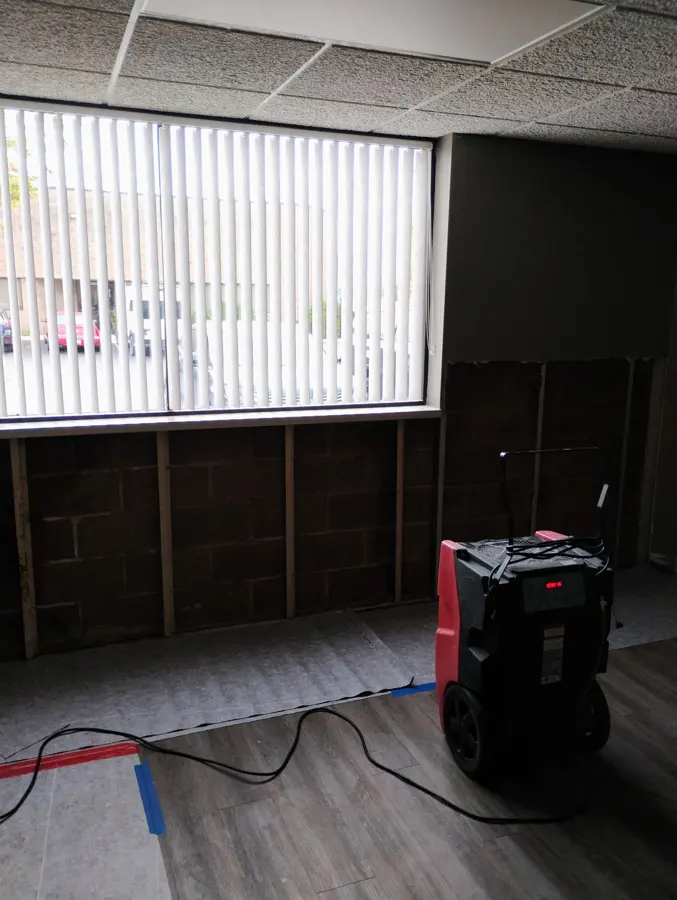
First steps for structural drying and dehumidification in Oregon
- 1Get the water out first
Extraction and removal of soaked materials come before any drying equipment is placed.
- 2Keep the space closed
Close windows and doors in the drying area so humidity stays controlled.
- 3Leave equipment running
Keep air movers and dehumidifiers on between visits, since stopping early leaves moisture in framing.
- 4Allow readings each visit
Let the crew take readings and move equipment as areas dry.
What does structural drying and dehumidification cost in Oregon, MI?
Structural drying runs $1,000 to $2,200 for one Class 1 or 2 area, $2,200 to $4,500 for Class 3 across several rooms, and $4,000 to $6,000 or more for Class 4 dense materials.
| Size of the loss | Typical range | What usually moves it |
|---|---|---|
| Class 1 or 2, single area | $1,000 to $2,200 | Three to four days, few air movers, one LGR dehumidifier |
| Class 3, several rooms | $2,200 to $4,500 | Wet walls and ceilings, added equipment, daily readings |
| Class 4, dense materials | $4,000 to $6,000+ | Hardwood or masonry, desiccant units or mats, longer drying |
Planning ranges, not a quote: the water category, the wet square footage, the material class and how soon drying started move the final number most. The water damage cost calculator narrows it for your own loss.
How structural drying and dehumidification is handled in Oregon
- 1
Map the moisture
Meters and a thermal camera locate wet materials and set the dry reference.
- 2
Remove what cannot dry
Saturated insulation, pad and soft materials come out so air can reach the structure.
- 3
Place equipment
Air movers, dehumidifiers and mats or desiccant units are sized to the wet area.
- 4
Read and adjust
Daily readings steer equipment moves until every reading matches the dry reference.
Pumping and tear-out remove bulk water, but wet framing, drywall and subfloors keep releasing moisture for days. Structural drying is the controlled process that moves that moisture out of the building, with readings taken at each visit to prove the structure has actually dried rather than just feeling dry.
How the equipment works
Drying is a balance of airflow, heat and dehumidification sized to the wet volume of each room.
- Air movers push dry air across wet surfaces and into cavities
- Low-grain refrigerant dehumidifiers pull the moisture out of the air
- Desiccant units and drying mats handle dense materials
- Meters and a thermal camera confirm progress at every visit
Drying structures from several decades
Oregon's median home was built in 1971, and 5,843 of its 8,673 homes predate 1980, so a drying job often means reading moisture in framing, drywall and subfloors put together over several decades. Older layers of flooring, paneling and added finishes can trap water that a quick look misses, which is why the moisture map comes before the equipment plan and the readings continue until every layer matches a dry reference.
Drying classes and how long it takes
A Class 1 or 2 loss, with a small area and little absorbent material, often dries in three to four days with a few air movers and one dehumidifier. Class 3 losses, where walls and ceilings are wet, need more equipment and daily readings. Class 4 losses involve dense materials such as hardwood or masonry and call for desiccant units or mats and longer drying.
Drying after a flood is part of river and lake flood cleanup, and the first step before any equipment is placed is water extraction. The drying time estimator gives a rough schedule.
Structural drying and dehumidification across Oregon and nearby communities
Structural drying runs across Oregon, OH, after pipe leaks, backups and floods in houses, apartment buildings, schools, shops and offices, from Navarre Avenue to Wheeling Street and Dupont Road, throughout ZIP code 43616. Equipment stays on site between visits, with readings taken at each stop until the dry standard is met.
The same service nearby: structural drying and dehumidification in Monroe, Flat Rock, Milan.
More water damage services in Oregon
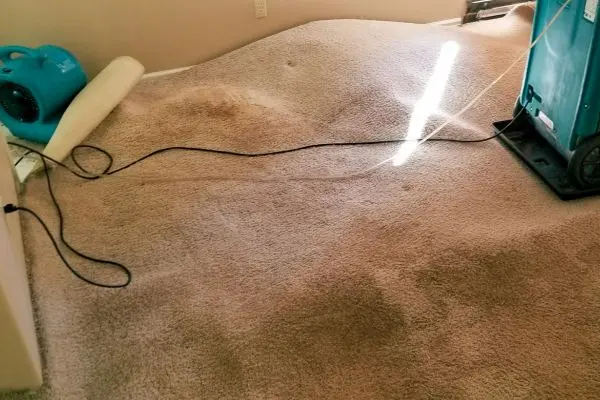 Emergency Water Extraction in OregonSee the service
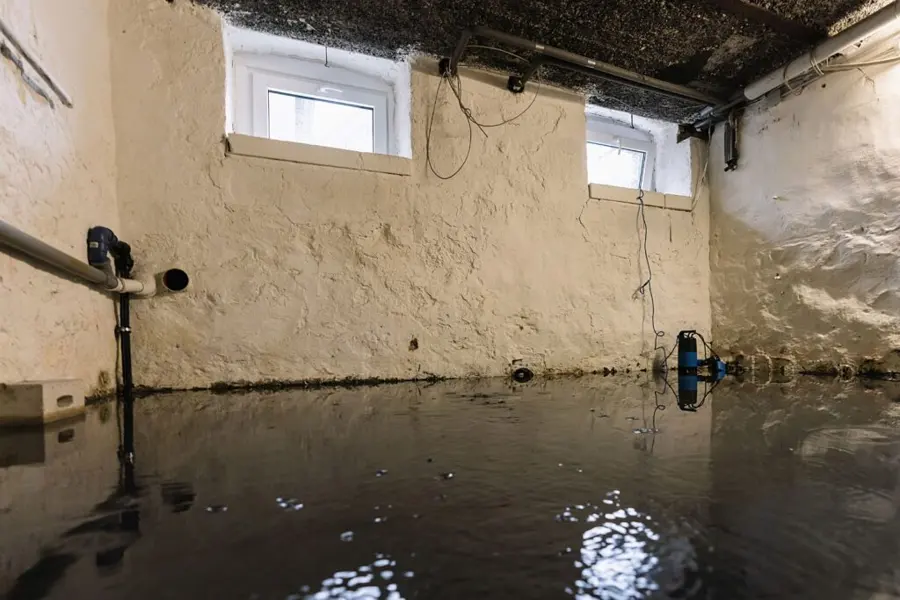 Basement Flooding Cleanup in OregonSee the service
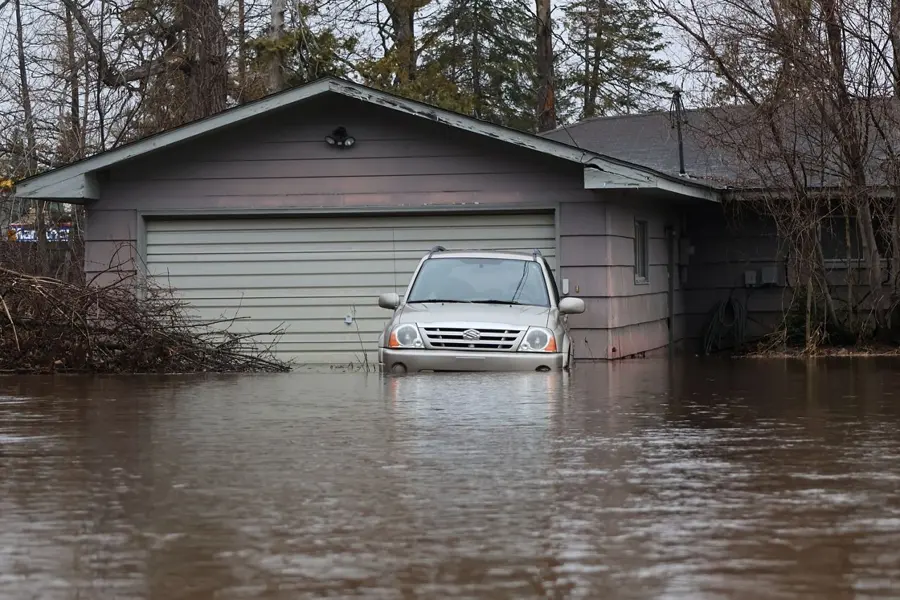 River and Lake Flood Cleanup in OregonSee the service
Structural Drying and Dehumidification in MonroeSee the service
Water damage restoration in OregonLocal page
Every town the team coversService areas
Structural Drying and Dehumidification questions in Oregon, MI
Can a wet structure just air out on its own?
Rarely. Moisture hides in framing, subfloors and wall cavities, and room air dries only the surface, so airflow and dehumidification are needed to pull water from the materials.
How does the crew know the structure is dry?
Readings from wet areas are compared with dry reference spots in the same building, and drying ends only when each material matches that reference, not when it feels dry to the touch.
Why do dehumidifiers run so long?
Dehumidifiers pull moisture from the air as materials release it, and wet framing and subfloors release it slowly, so equipment runs until readings show the release has stopped.
Does a drying job raise the electric bill?
Yes, air movers and dehumidifiers draw power for several days, and run times and equipment counts are recorded so the claim can account for it.
What does a Class 4 loss involve?
Dense materials such as hardwood and masonry hold water deeply, so drying uses desiccant units or mats, runs longer and costs more than a Class 1 or 2 loss.
Wet framing and floors in an Oregon property need measured drying
The crew maps moisture, sets air movers and dehumidifiers to the wet area and logs readings until every material reaches its dry standard.