Water Damage Restoration Trenton, MI
Trenton sits on the western bank of the Detroit River, and the local drying crew pumps out standing water, maps the moisture and logs readings until every wet material tests dry.
(888) 612-9219Call the Trenton water crewWater and sewage work only, documented with photos and readings for the insurance file.
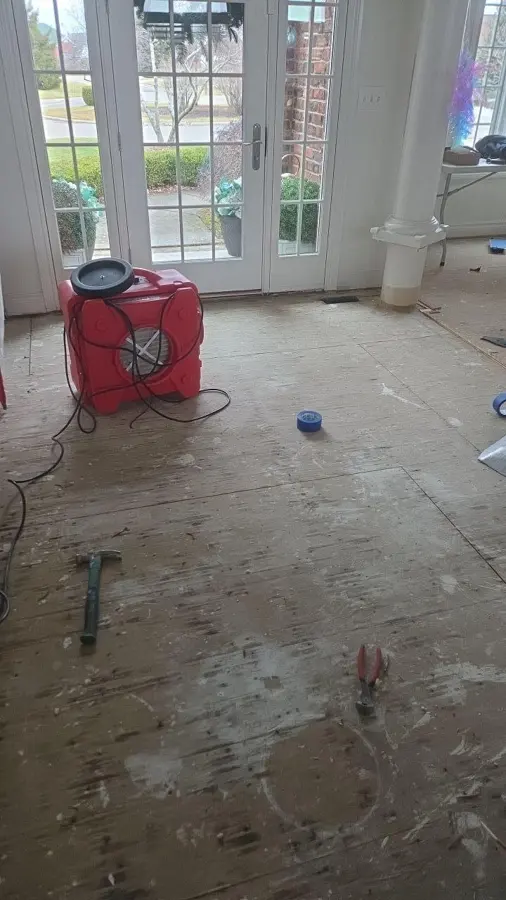
Water and sewage services for Trenton properties
Every job starts with water removal and moisture mapping. Fourteen services cover what comes next: finding the source, protecting the materials and drying the structure.
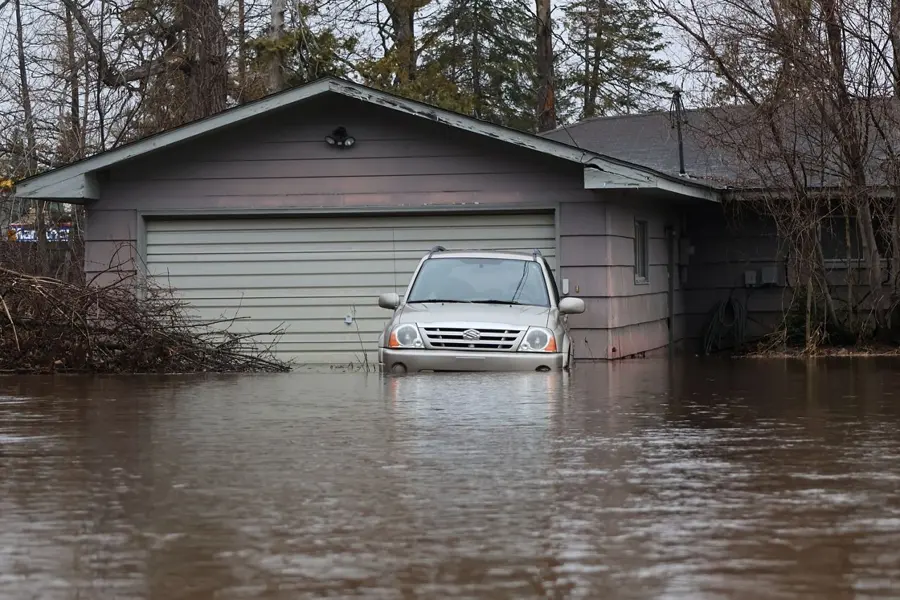 Detroit River and drain floodingRiver and Lake Flood CleanupSilt, flood water and wet structure cleared after river, channel or drain flooding.How it is handled
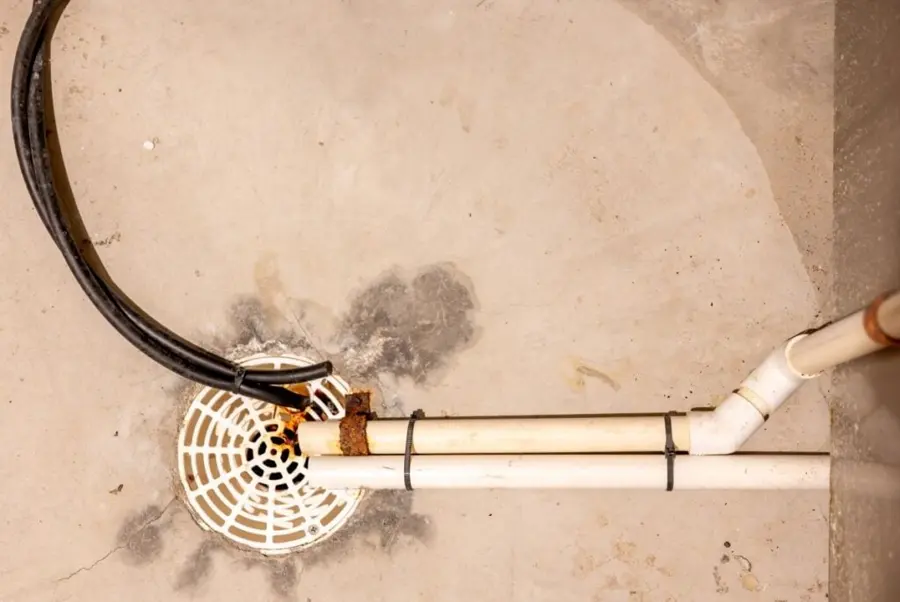 Sanitary backups and cleanupSewage Backup CleanupContained removal and antimicrobial cleaning after a backed up drain or sewer.How it is handled
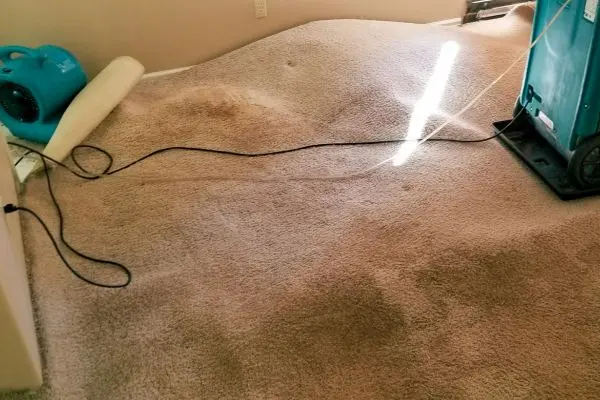 Emergency Water ExtractionPortable and truck mounted pumps lift standing water out of floors, carpet and pad.How it is handled
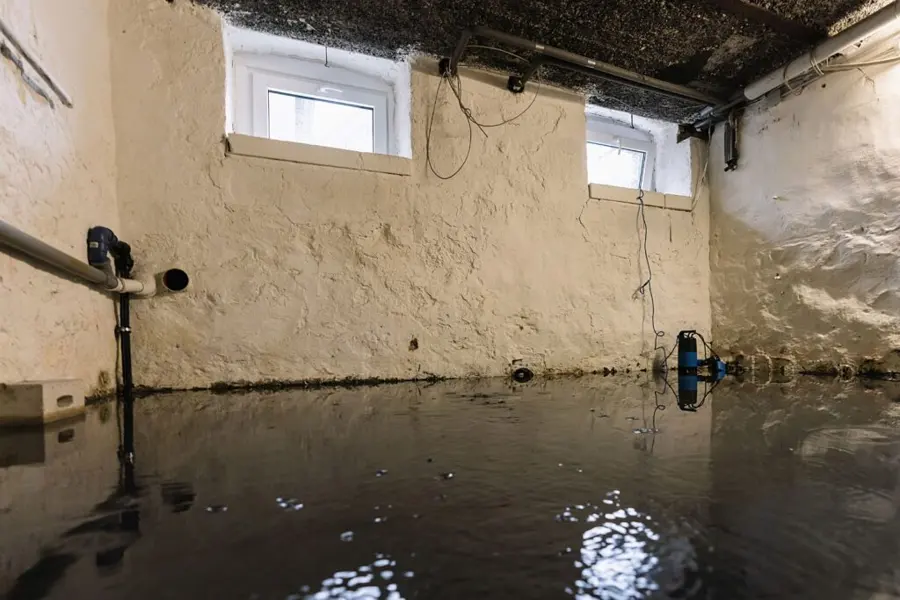 Basement Flooding CleanupPumping, carpet removal and cavity drying for finished and unfinished basements after storms or failures.How it is handled
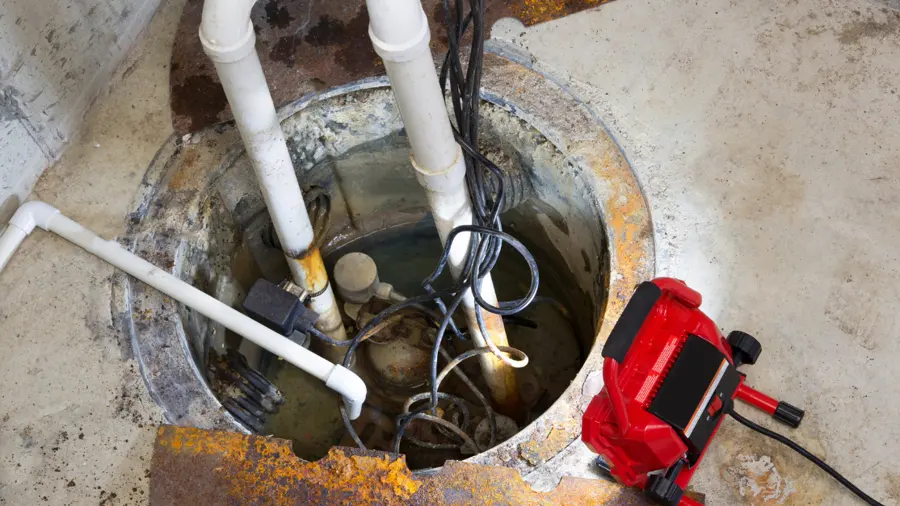 Sump Pump Failure CleanupA pump that quits in heavy rain leaves a wet basement needing extraction and fast drying.How it is handled
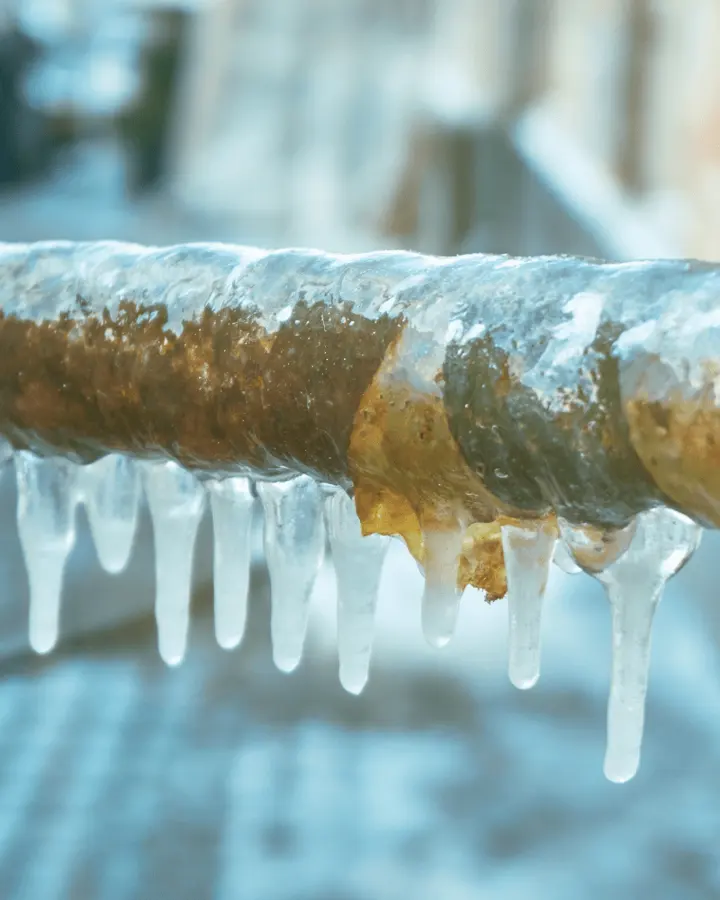 Frozen Pipe Water DamageThawed pipes release water inside walls and ceilings, so opening and drying follow the shutoff.How it is handled
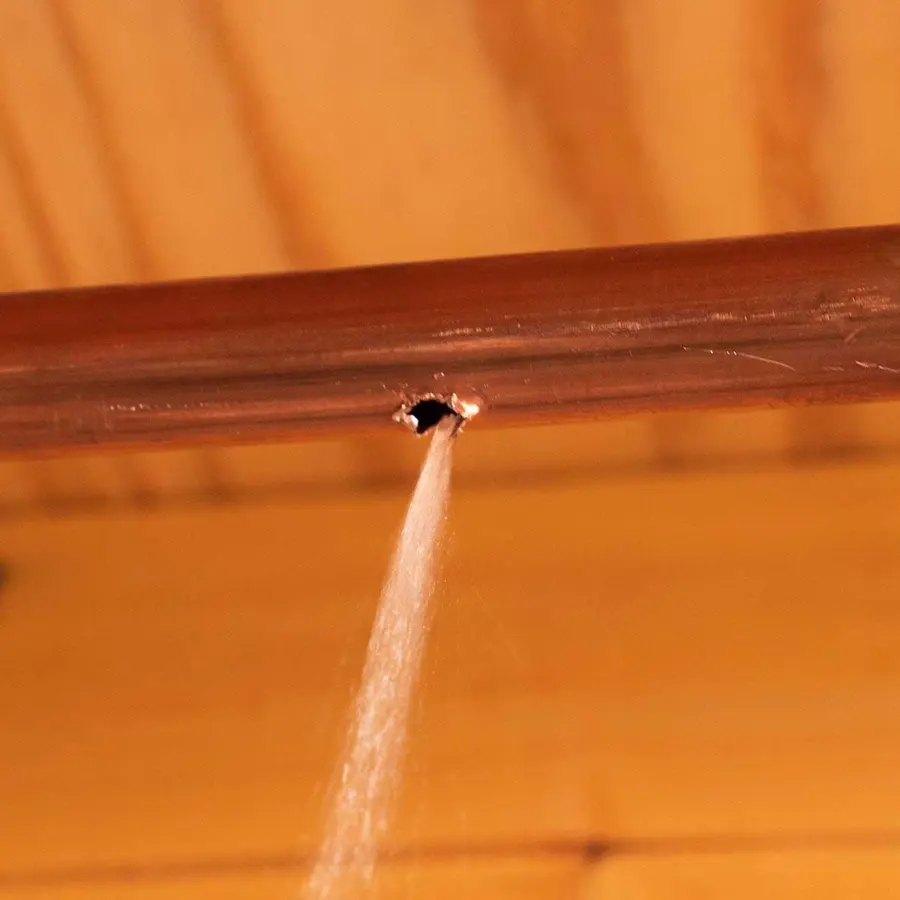 Burst Pipe Water DamageShutoff, extraction and drying for a split supply pipe that soaked floors and the level below.How it is handled
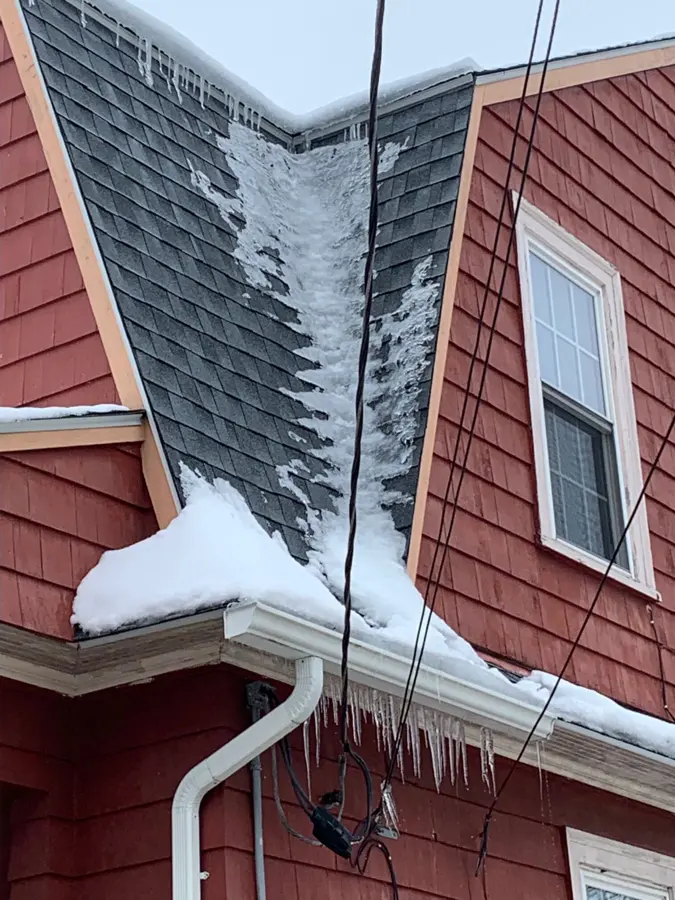 Ice Dam Water DamageMelt water that backs under shingles is dried out of ceilings, insulation and wall tops.How it is handled
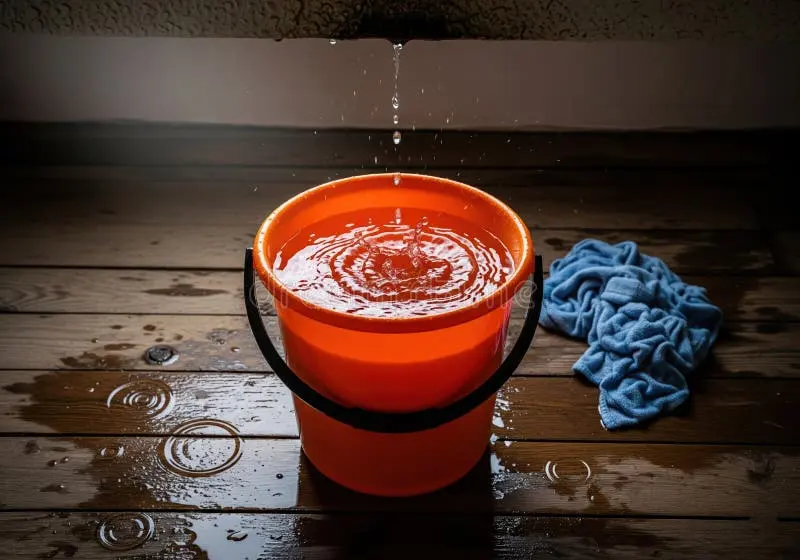 Roof Leak Water DamageStorm leaks are traced, then wet decking, insulation and ceilings are opened and dried.How it is handled
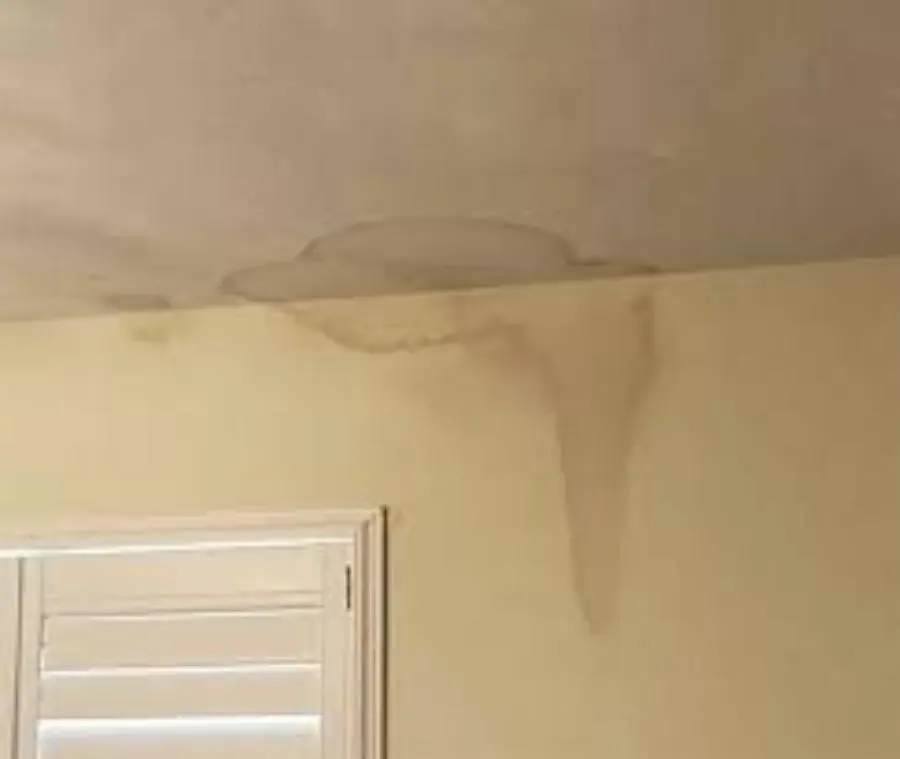 Ceiling Leak Water DamageStained or sagging ceilings are opened where needed and the joist bays dried.How it is handled
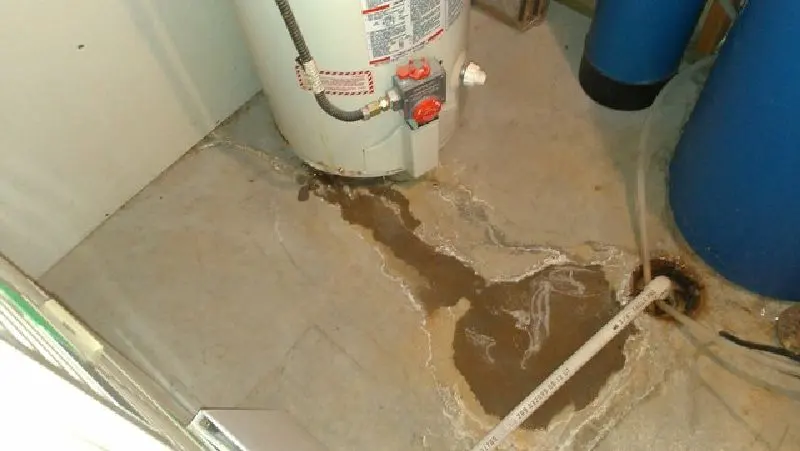 Water Heater Leak CleanupTank leaks are extracted and the floor, wall bottoms and nearby finishes dried.How it is handled
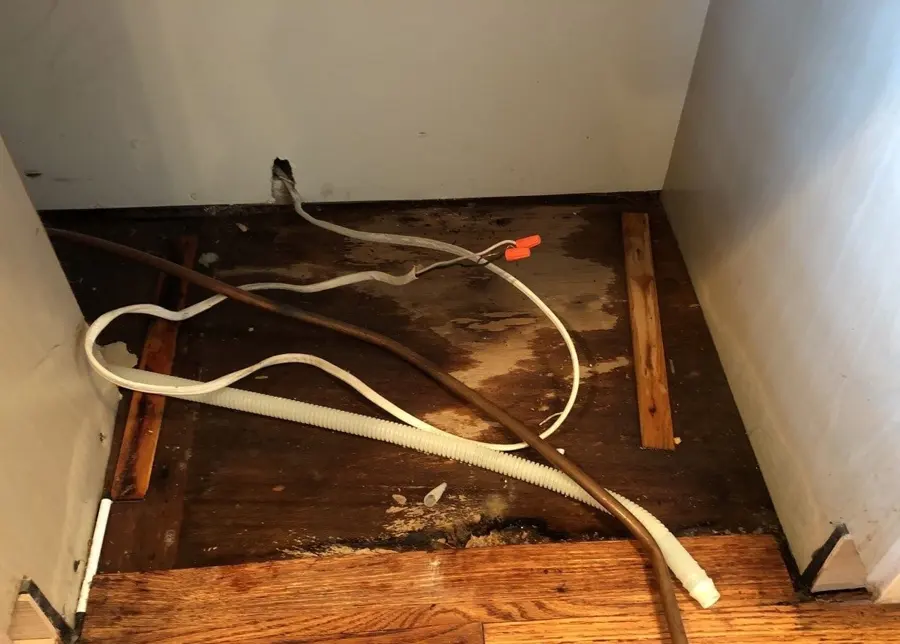 Washer and Dishwasher Leak CleanupWasher and dishwasher leaks that reached subfloors, cabinets or the ceiling below.How it is handled
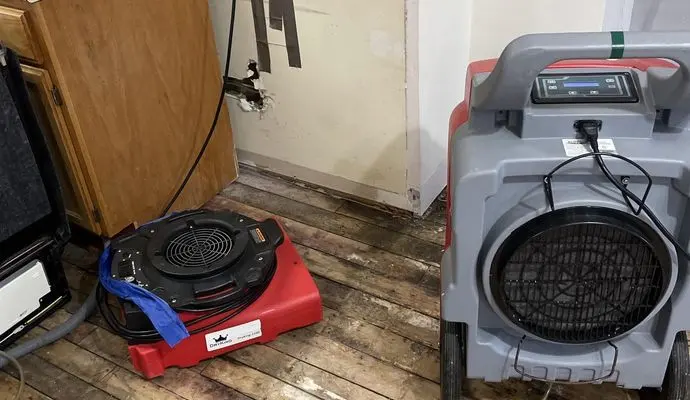
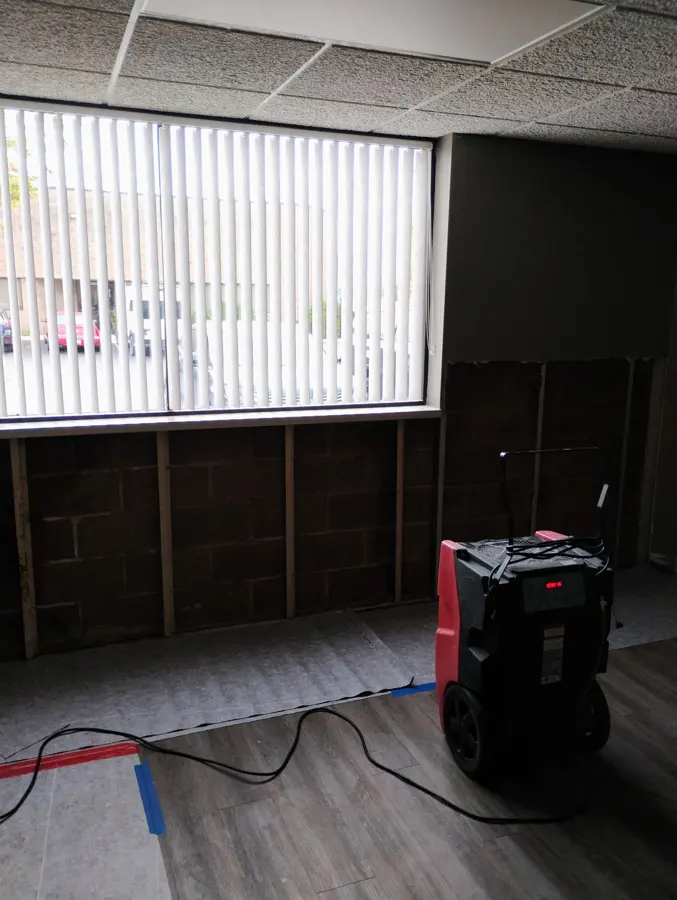 Structural Drying and DehumidificationAir movers and dehumidifiers dry framing, subfloors and masonry until readings confirm it.How it is handled
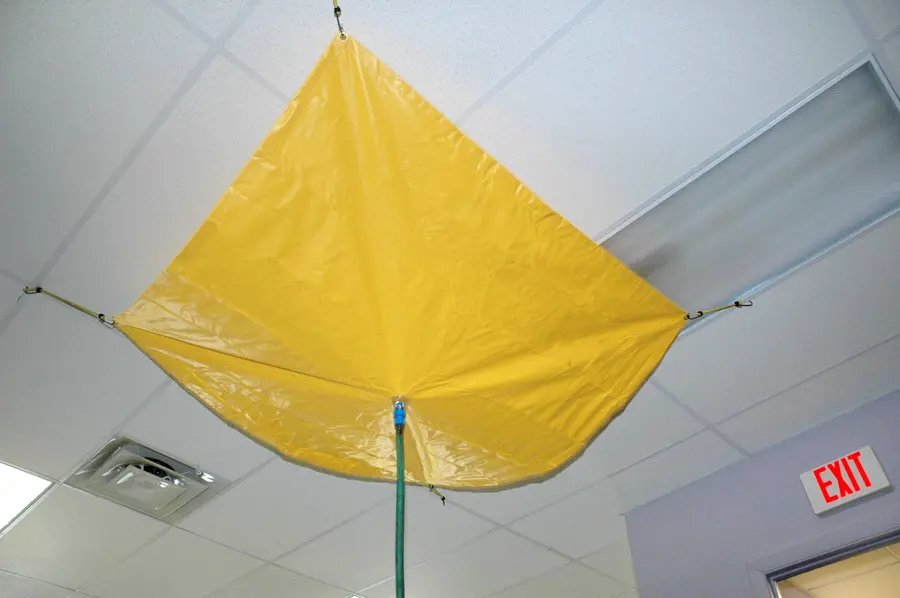 Commercial Water DamagePhased water removal and drying for shops, offices, restaurants and larger buildings.How it is handled
A crew that understands older Trenton buildings
About 85 percent of Trenton homes predate 1980, so water often reaches older framing, finishes and later flooring layers.
Dispatch at any hour
Pipes burst and storms hit at night, so pumps and drying gear go out on weekends and holidays too.
River and drain awareness
Flood zones trace the Detroit River coast and the Frank and Poet Drain, so silt and dirty water are planned for.
Paper trail for claims
Photos, daily moisture logs and equipment records go into a file that an adjuster can follow.
Homes, rentals and shops
About 1,561 Trenton homes sit in buildings with two or more units, so the crew plans around shared walls and ceilings.
Five steps to take as soon as water appears
- 1Stop the source
Close the fixture valve or main shutoff, then watch the meter's leak detector dial with every tap off.
- 2Make the area safe
Switch off power to wet rooms only if the panel is dry, and keep out of standing water near outlets.
- 3Protect what moves
Lift small furniture, rugs and electronics onto dry surfaces and leave heavy pieces for the crew.
- 4Photograph before moving
Shoot wide and close photos of wet areas, damaged contents and the source before anything is moved.
- 5Call the drying crew
Describe the water source and what it touched, so the right pumps, containment and drying equipment are loaded first.
Measure, extract, dry and verify before closing the job
A Trenton job follows four stages and each one leaves a written record: where the moisture sits, how much water came out, which equipment ran and what the last reading showed.
- 1
Map the wet area
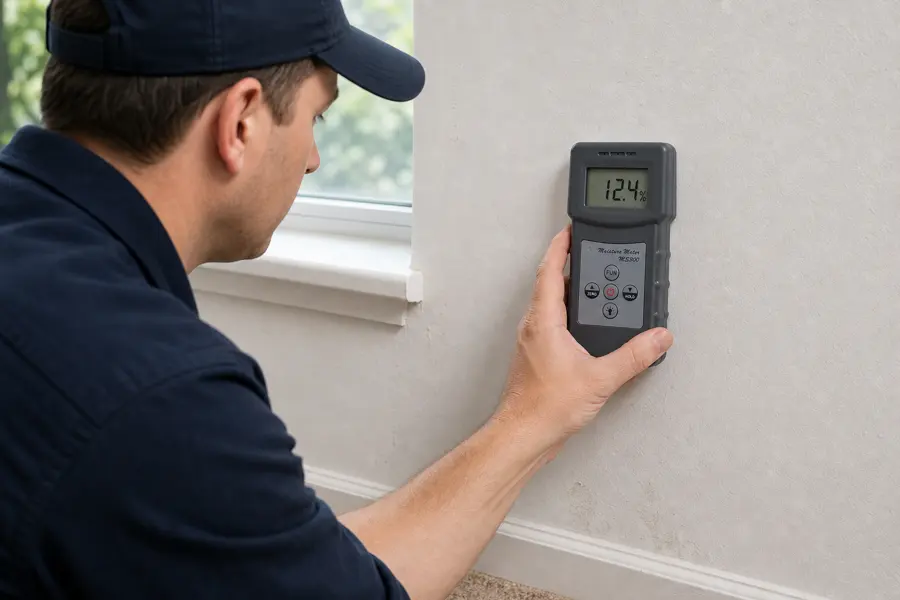
Pinless meters and an infrared camera trace water inside walls and under floors, so demolition follows the actual spread.
- 2
Extract the water
Submersible pumps, portable extractors or a truck mounted unit clear standing water and wring out carpet and pad.
- 3
Dry what remains
Air movers, LGR dehumidifiers and wall cavity drying pull moisture from framing, subfloors and masonry.
- 4
Confirm dry
Daily readings continue until wet materials match the dry standard set from unaffected areas, then the equipment comes out.
Equipment on a typical Trenton job
- Pinless and probe moisture meters for walls, floors and framing
- Infrared camera that shows hidden wet areas before anything is opened
- Truck mounted and portable extractors for deep or widespread water
- LGR dehumidifiers and air movers sized to the room
- Plastic containment and HEPA air scrubbers for sewage jobs
The Detroit River coast and the August 2014 flood
Trenton has a flood record: 14 homes took water in August 2014 after a 4 to 6 inch storm.
- After FEMA's maps took effect on February 2, 2012, the 2017 city plan says floodplain homes rose from about 180 to approximately 825, most near the Frank and Poet Drain.
- Flood zones and a floodway follow that drain along its whole path through the city.
- A milder storm in September 2016 brought about 2.5 inches of precipitation, the same plan notes.
Clean, gray or black water changes the whole job
Water is sorted into three categories by how contaminated it is, and the category decides what can be dried and what must be removed.
Category 1, clean water
Supply pipe breaks and fixture failures start as clean water, though a day of contact with floors and debris can change that.
Burst pipe cleanupCategory 2, gray water
Washer and dishwasher overflows and failed sump pumps carry contaminants that can make people ill, so wet porous materials are usually removed.
Appliance leak cleanupCategory 3, black water
Sewage, river flood water and long standing water count as grossly contaminated, so containment and full removal of porous materials follow.
Sewage backup cleanupWhat water damage restoration costs in Trenton
Most Trenton jobs run from $800 for one clean area to $10,000 or more when sewage, flood water or several rooms are involved. Scope, water type, tear out and drying days set the price, and the final figure follows the moisture readings.
| Size of the loss | Typical range | What usually moves it |
|---|---|---|
| One area, clean water | $800 to $2,500 | Clean source, caught early, short drying run |
| Several rooms, some tear out | $2,500 to $6,500 | Wet drywall and pad, wall cavity drying, dehumidifiers and air movers |
| Sewage or a whole floor | $6,500 to $10,000+ | Category 3 water, plastic containment, extended structural drying |
These ranges are typical; the written estimate follows the moisture map, the water category and the days of equipment needed.
What an adjuster asks to see
Whether the loss falls under a homeowner, renter or flood policy depends on the source of the water, so the paperwork starts on day one.
- Dated photos of every wet room
- Moisture readings taken at each visit
- Itemized list of damaged belongings and age
- The water source, written down plainly
- Equipment logs and final dry readings
The city's flood map page says a standard homeowner's policy does not cover flood damage and that anyone can buy flood insurance when the community belongs to the National Flood Insurance Program, so the policy type deserves an early look.
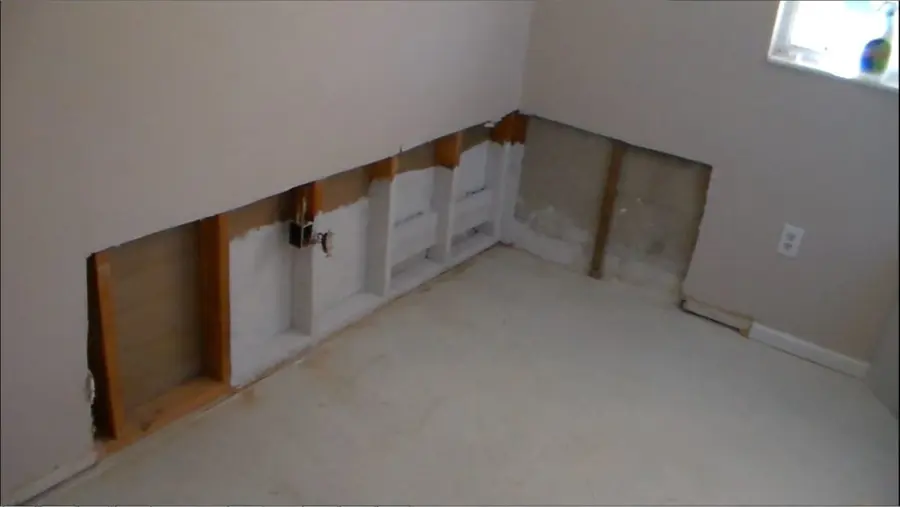
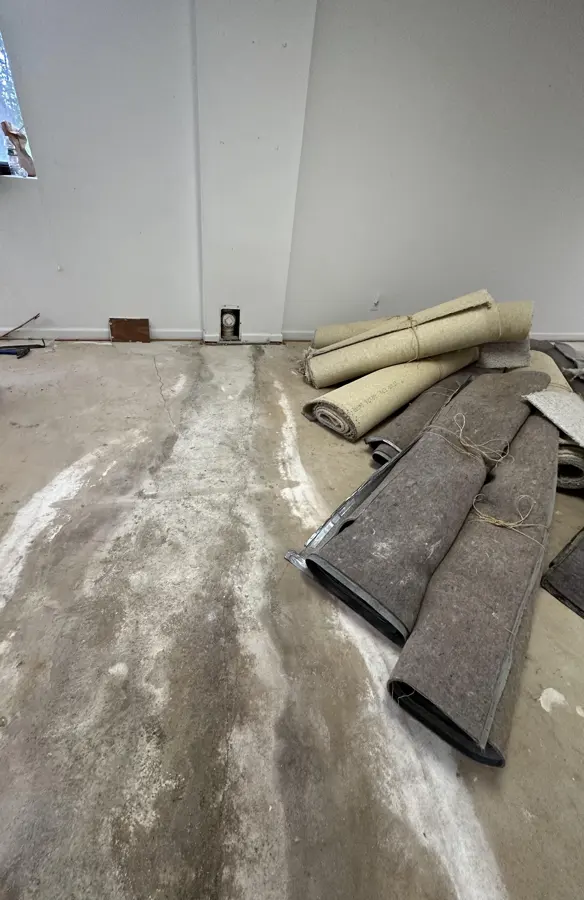
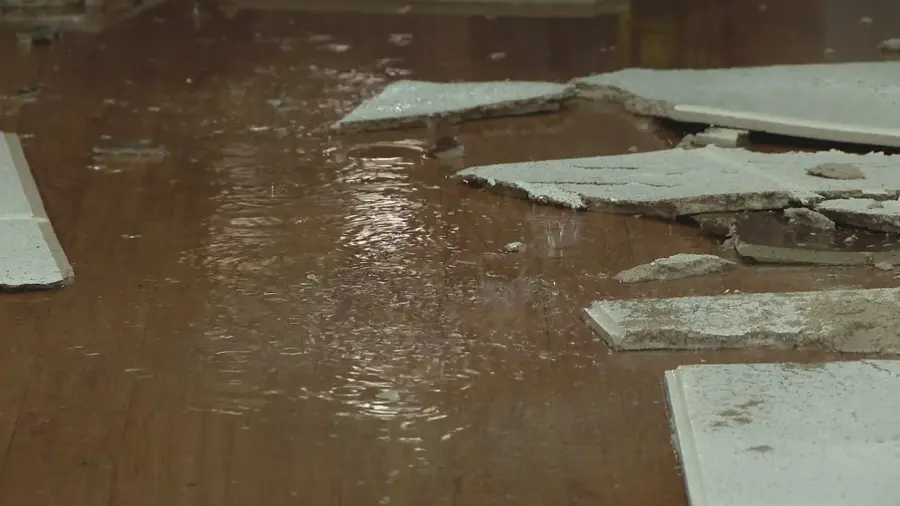
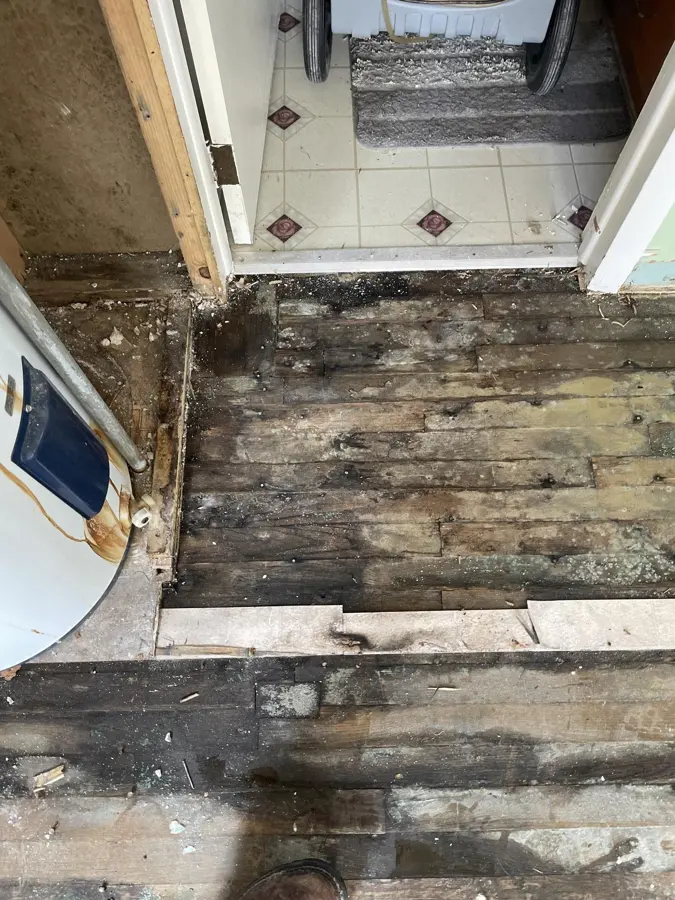
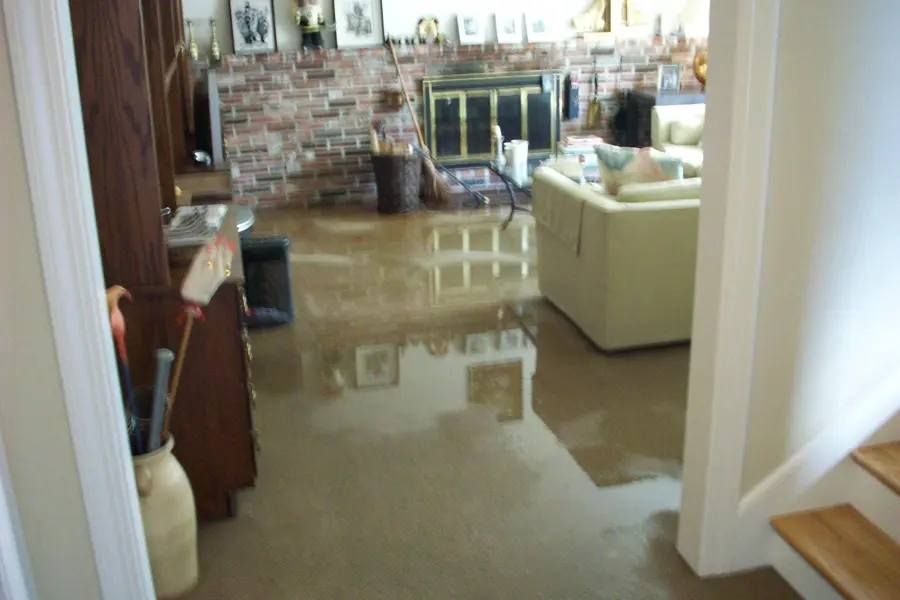
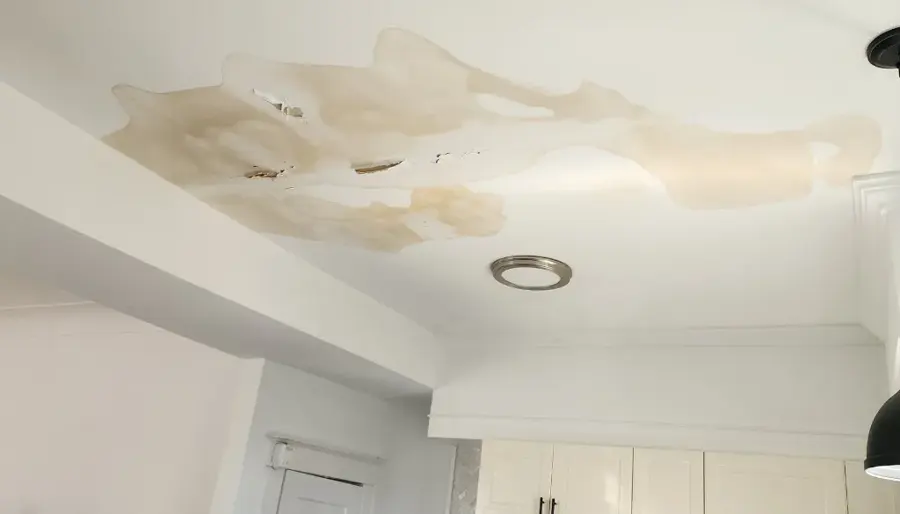
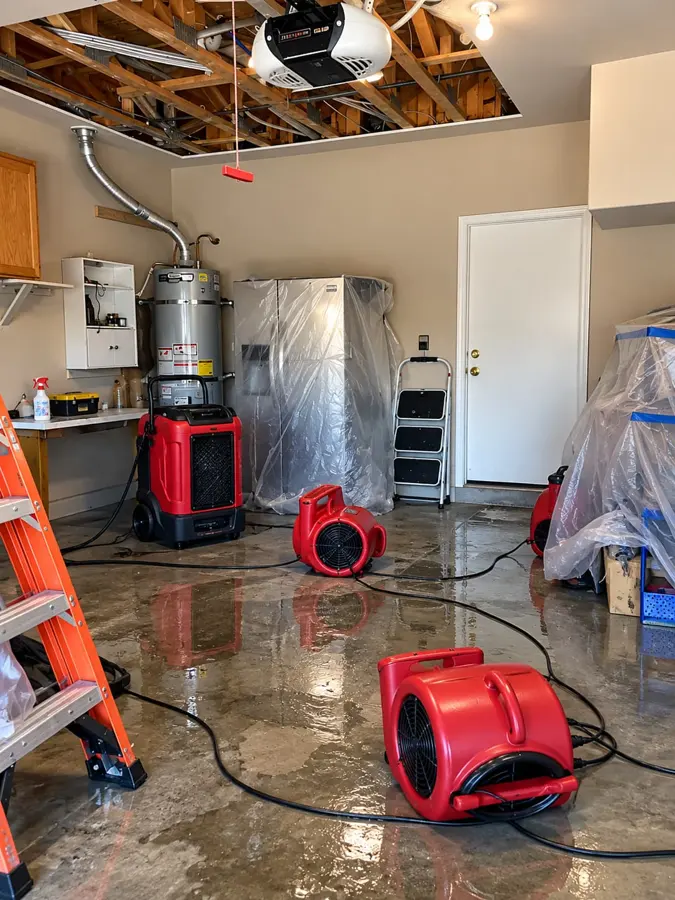
Water damage restoration stages in photos
Water damage service across Trenton, Michigan
The crew works across Trenton, from Downtown Trenton along West Jefferson Avenue to the neighborhoods off Fort Street and the streets north to Sibley Road, all within Wayne County.
ZIP code served
Neighborhoods and main roads
Nearby communities
What shapes water damage risk across Trenton
Older housing, river and drain flood zones and a city sewer system of its own all show up in how Trenton water losses play out.
- 1Older housing stock. The median Trenton home was built in 1960 and 3,093 homes date from 1950 to 1959, so many losses involve materials decades old.
- 2River and channel frontage. The 100-year and 500-year flood zones follow the Detroit River coast, touching the Trenton Channel at Elizabeth Park and dozens of smaller downtown parcels.
- 3Creek floodways. A small floodway runs along Marsh Creek, also called Blakely Drain, near the western edge, through residential and Trenton Public Schools properties.
- 4Wet ground. Hydric soils make up about 17.7 percent of the city's soils and can hold standing water, the 2017 plan says.
- 5City-run sewer system. Trenton runs its own wastewater plant and four sewage lift stations, and the 2017 plan says sanitary and storm pipes were separated.
Trenton water damage questions answered
Can water damage show up far from the leak?
Yes. The Department of Public Works warns that a leak can start in one place and show damage somewhere else, so moisture mapping covers neighboring rooms, ceilings below and wall cavities, not only the visible stain.
Does Michigan Public Act 222 apply to a sewage backup?
For a sewage backup, Public Act 222 of 2001 covers claims against governments and asks for written notice within 45 days of discovery. It is state law, not a Trenton rule and not legal advice, so an attorney can say how it applies.
Does the crew work in apartments and cooperatives?
Yes. Trenton counts 1,316 renter occupied homes, so shared ceilings, neighboring units and building access are planned before extraction, and readings follow the water through shared walls.
Is a permit needed for plumbing repairs after a pipe break?
The Building Department issues plumbing, heating, electrical and sewer permits and says plumbing work needs a permit and a final city inspection. The repair plumber or the department can confirm what a specific job needs.
Why do finished basements cost more to dry?
The 2017 city plan says flood repair costs in August 2014 varied with whether a home had a finished basement and whether a furnace was stored there, because carpet, drywall and equipment add work.
How long does drying usually take?
A small clean water loss often dries in three to four days. Wet walls, dense materials such as block or hardwood and deeper losses run longer, and daily readings decide when structural drying equipment leaves.
Can a business stay open during drying?
Often, yes. Phased drying and containment keep unaffected suites working, and the 2017 city plan says a high share of impervious surface raises flood risk for Trenton businesses.
Where does the crew work in Trenton?
Across the city, from Downtown Trenton on West Jefferson Avenue to Bretton Park Estates, Parkview Estates and the Slocum Truax Park area, plus homes along Fort Street, West Road and Van Horn Road.
What records does the crew keep for an adjuster?
Dated photos, a moisture map, daily readings, equipment logs and a written scope go into one file, so an adjuster can see what was wet, what was removed and why.
Wet materials in Trenton do not wait, so neither should the call
The drying crew takes the details, loads the right pumps and equipment and starts the moisture map, with photos and readings kept for the insurance file.