Water Damage Restoration Woodhaven, MI
Standing water, flooded basements and burst pipes get pumped out, opened up and dried to documented readings across Woodhaven, with a moisture log the insurance adjuster can follow.
(888) 612-9219Send a Woodhaven drying crewWater and sewage only, with each job closed out on dry readings.
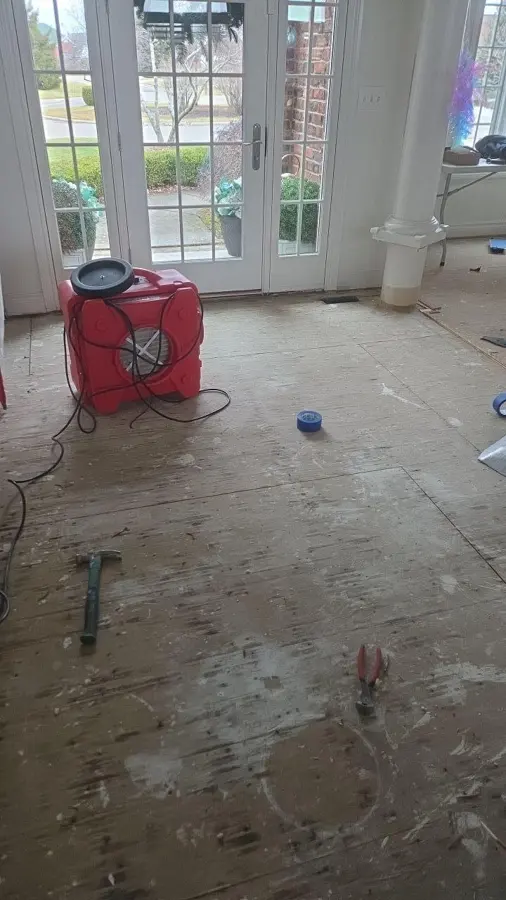
Pumping, tear-out and drying for any water source
From storm runoff to a split supply hose, each service below covers a different water source found in Woodhaven homes, apartments, shops and industrial buildings.
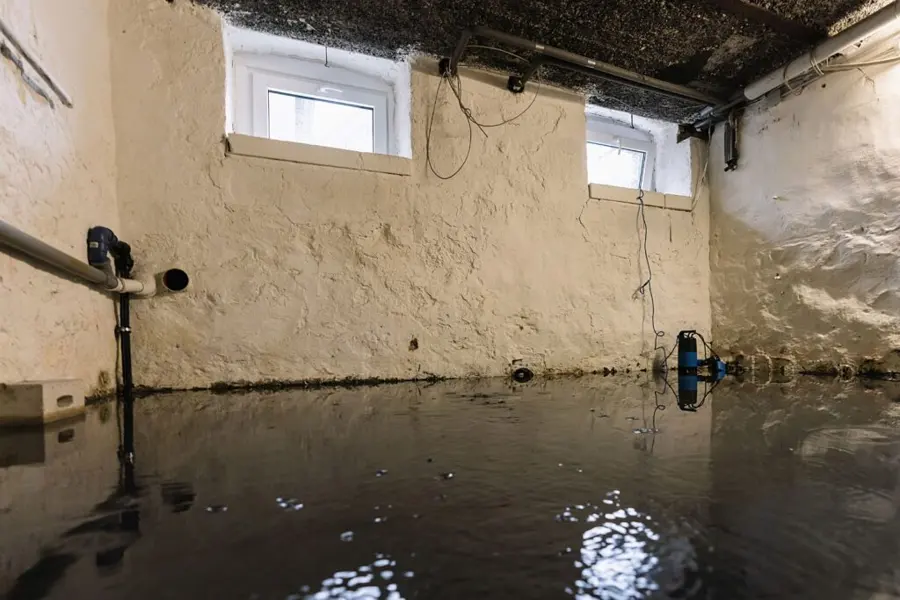 Runoff pressure on clay groundBasement Flooding CleanupPump down, pull wet carpet and pad, and dry the walls before damage spreads.How it is handled
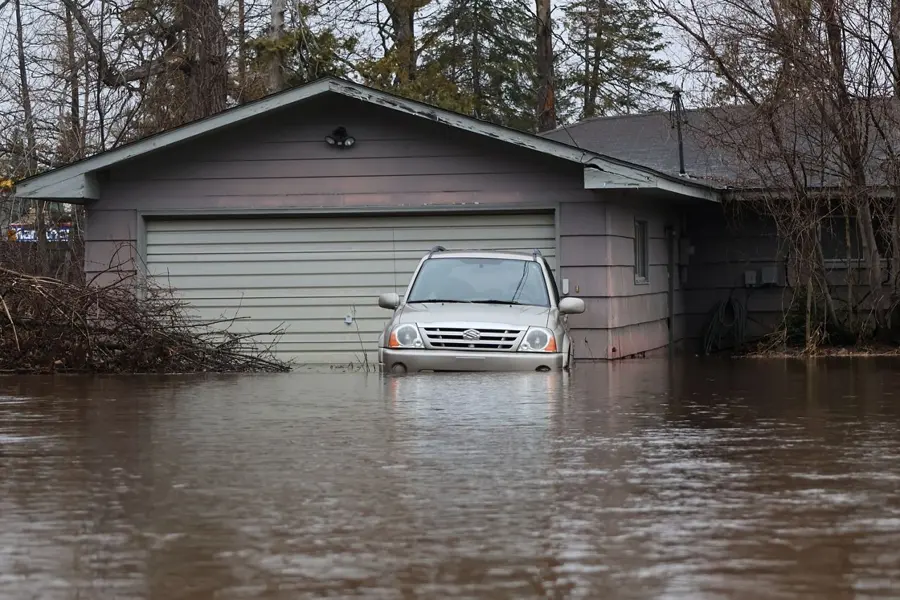 Floodplain water and storm runoffRiver and Lake Flood CleanupFloodplain water and storm runoff leave silt and soaked materials that need removal and drying.How it is handled
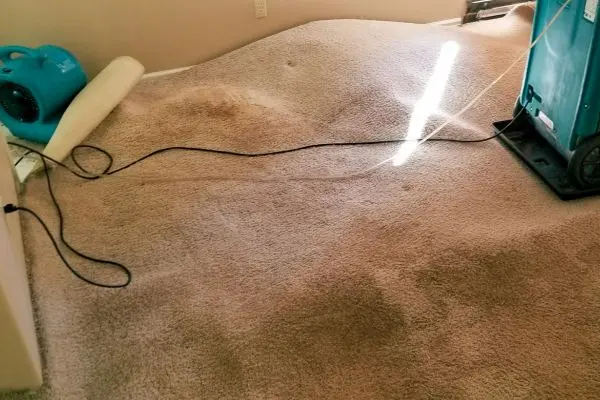 Emergency Water ExtractionTruck-mounted and portable pumps pull standing water out of floors and carpet.How it is handled
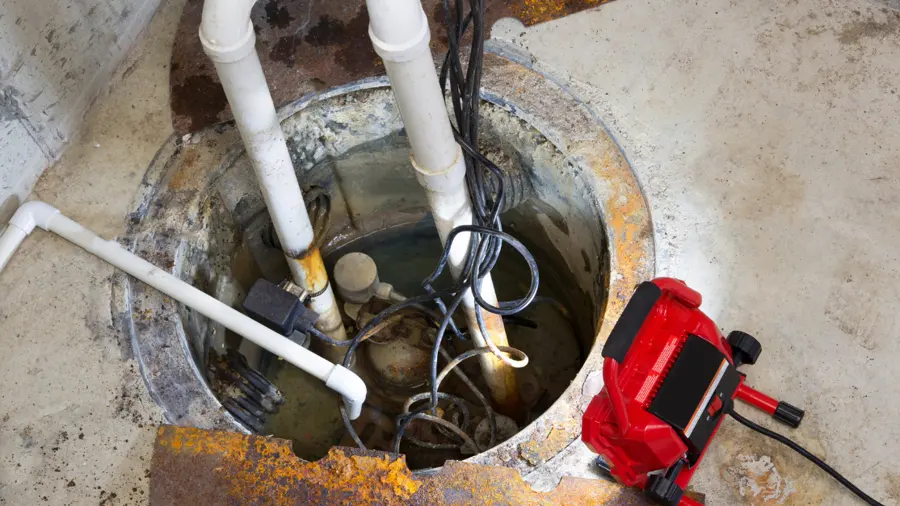 Sump Pump Failure CleanupWhen a pump fails or the power drops, standing water gets cleared and dried.How it is handled
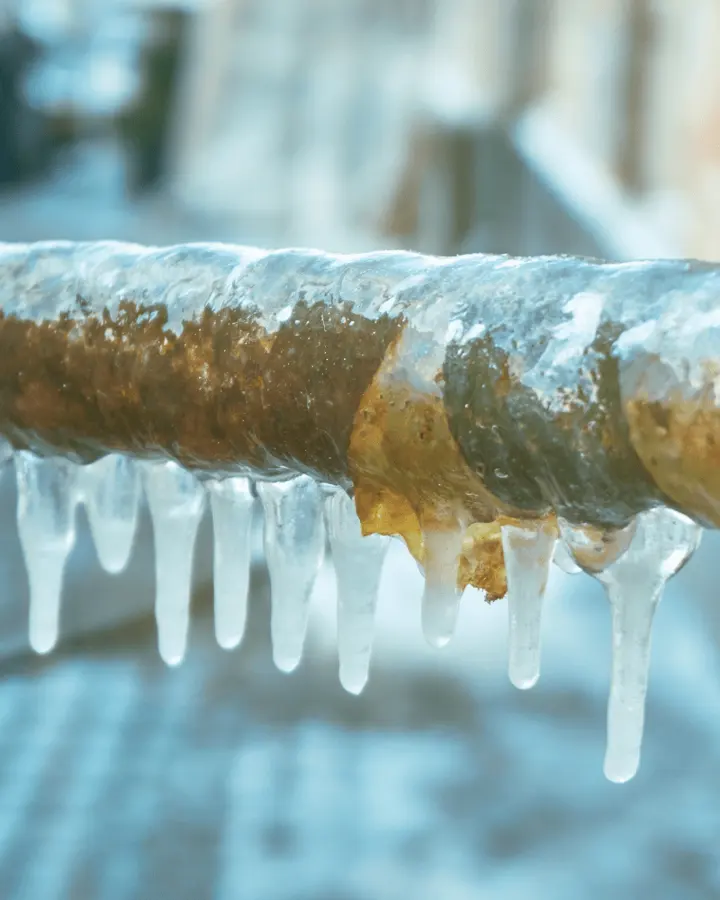 Frozen Pipe Water DamageCold snaps split exposed pipes, and the wall, floor and ceiling below get dried.How it is handled
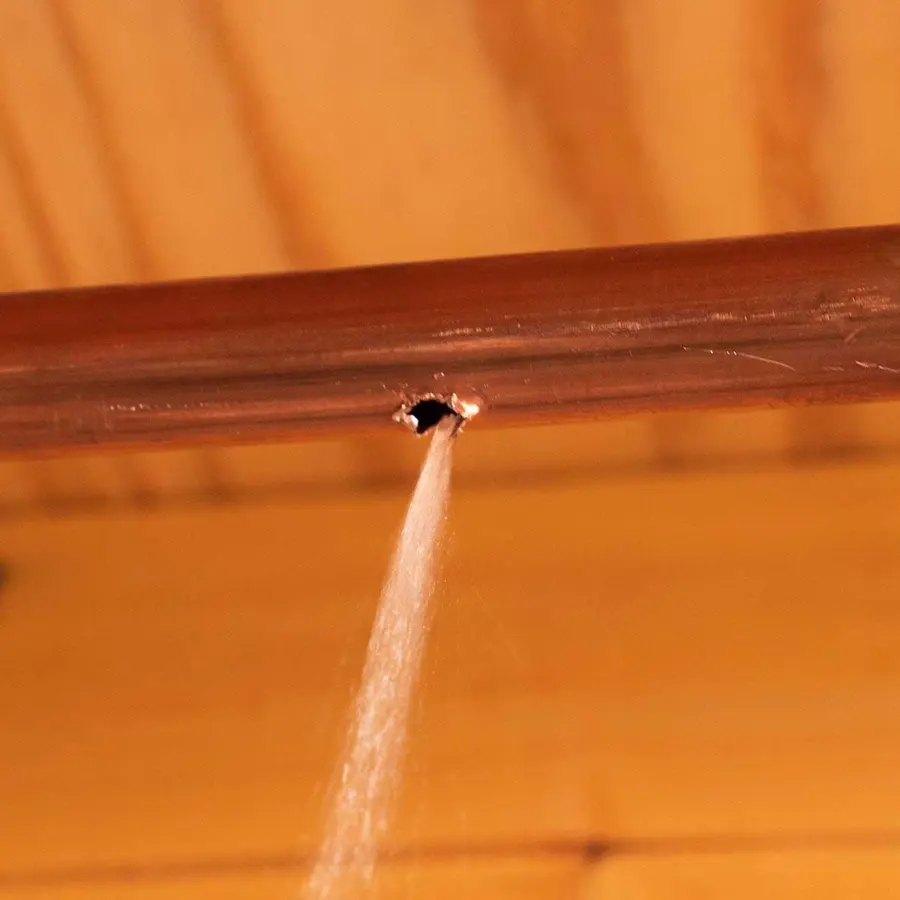 Burst Pipe Water DamageA split supply pipe floods fast, and wet drywall, floors and ceilings need drying.How it is handled
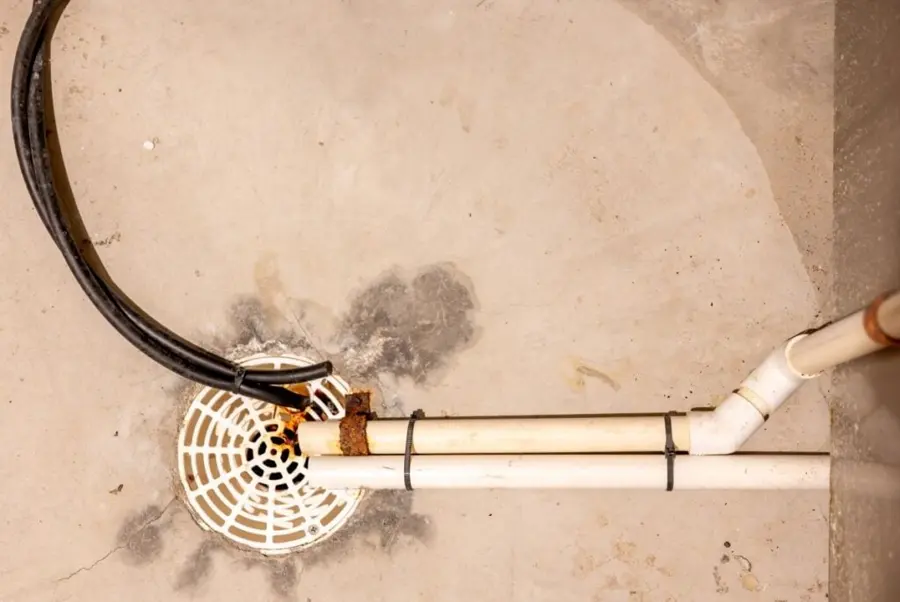 Sewage Backup CleanupContaminated water is removed with containment, then surfaces are cleaned, treated and dried.How it is handled
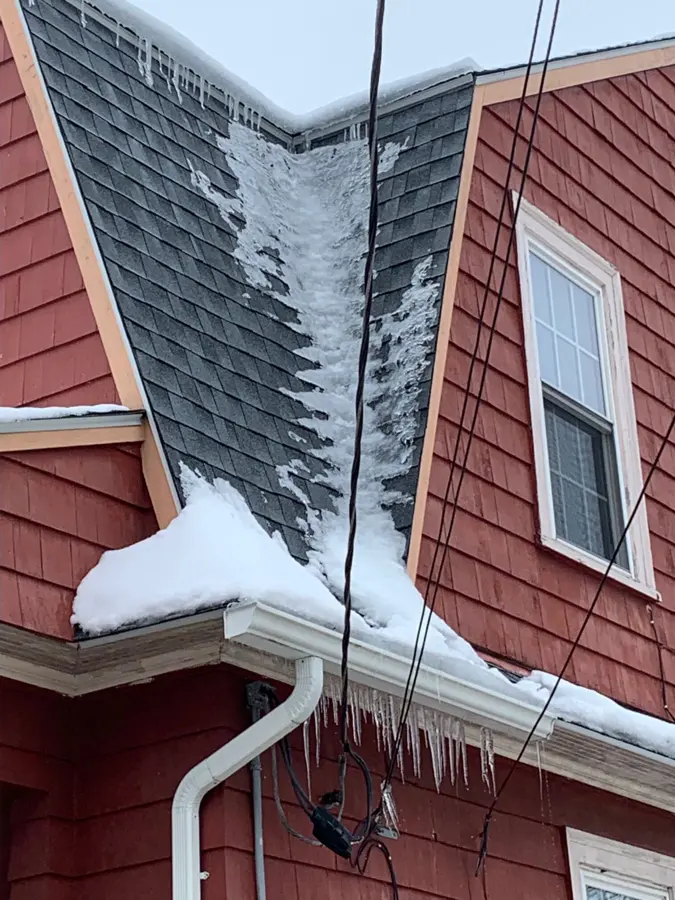 Ice Dam Water DamageMelting snow backs up under shingles, and wet insulation, ceilings and walls get dried.How it is handled
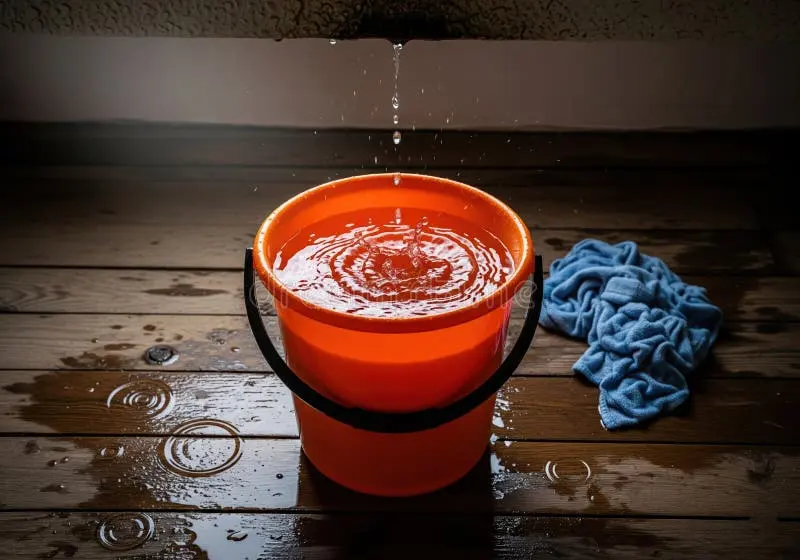 Roof Leak Water DamageStorm-driven leaks soak decking, insulation and ceilings, which get opened and dried.How it is handled
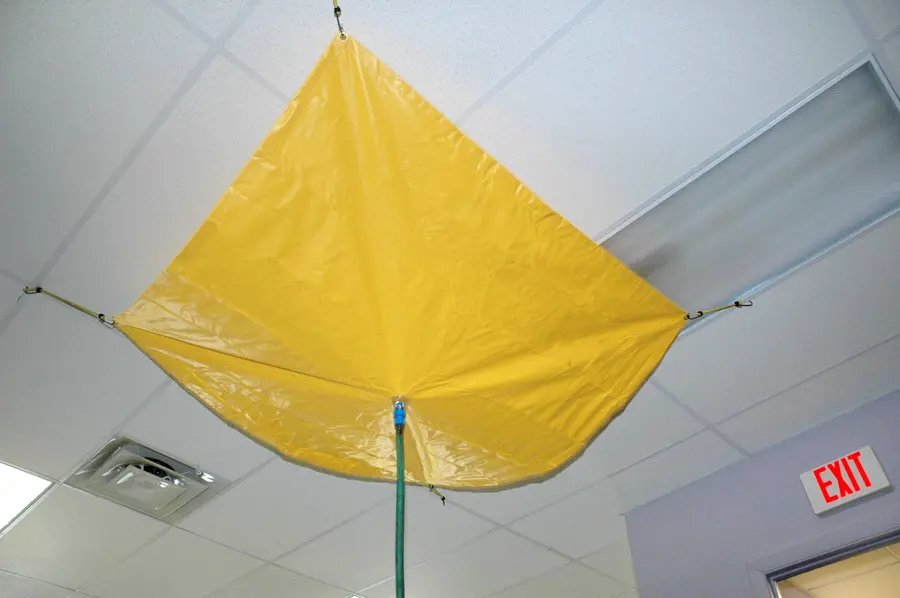
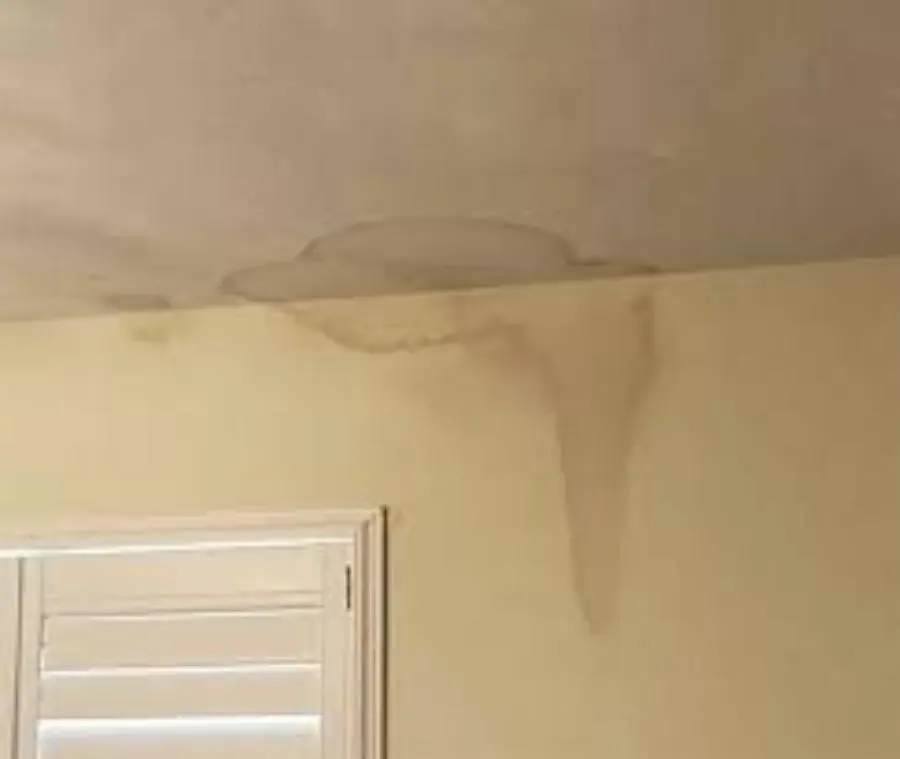 Ceiling Leak Water DamageA stained or sagging ceiling is opened, the wet insulation removed, and the joists dried.How it is handled
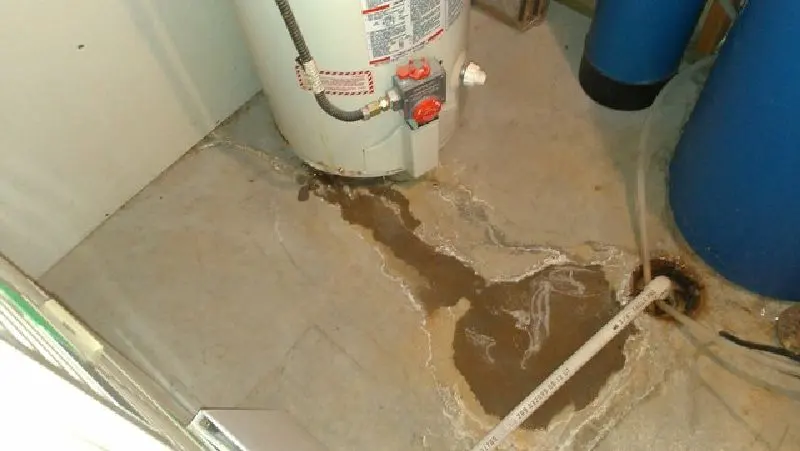 Water Heater Leak CleanupA leaking tank soaks the floor and wall bottoms, which then get dried.How it is handled
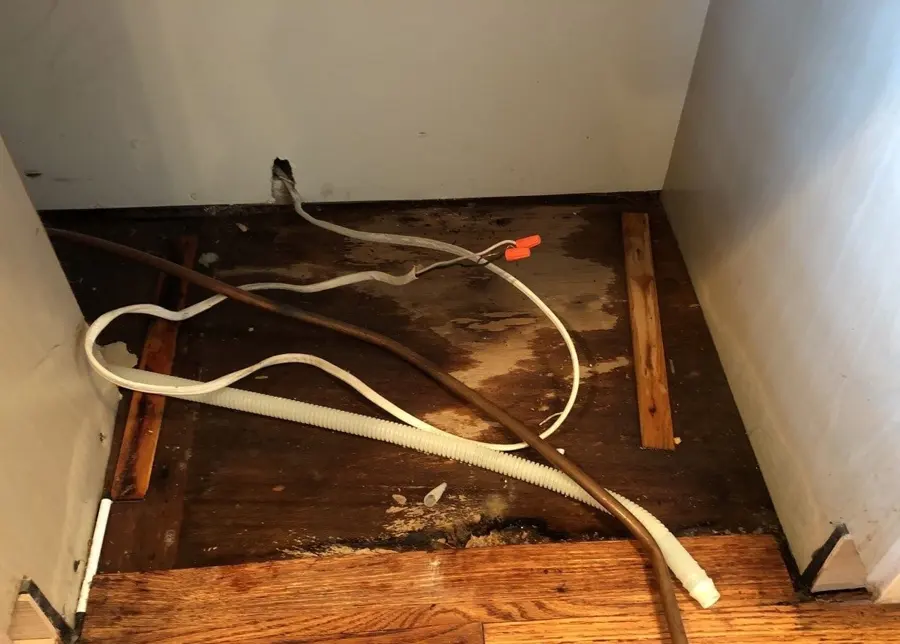 Washer and Dishwasher Leak CleanupWasher and dishwasher leaks run under cabinets and into floors, even reaching a unit below.How it is handled
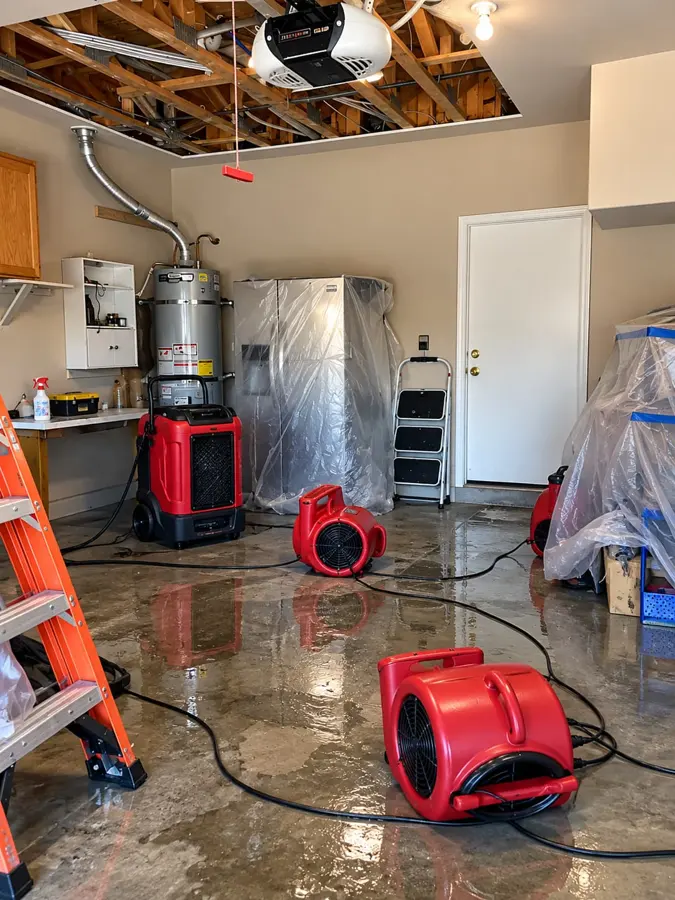
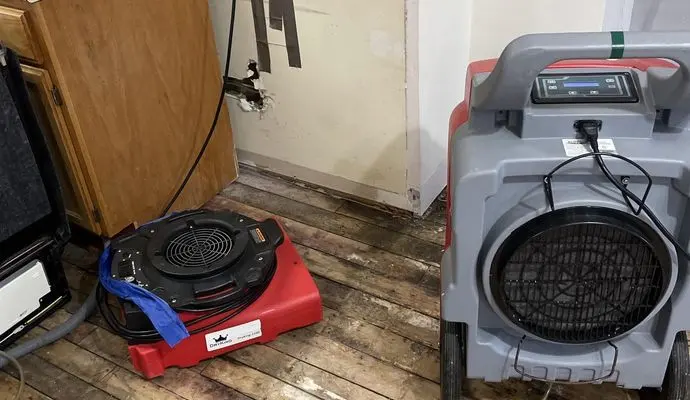
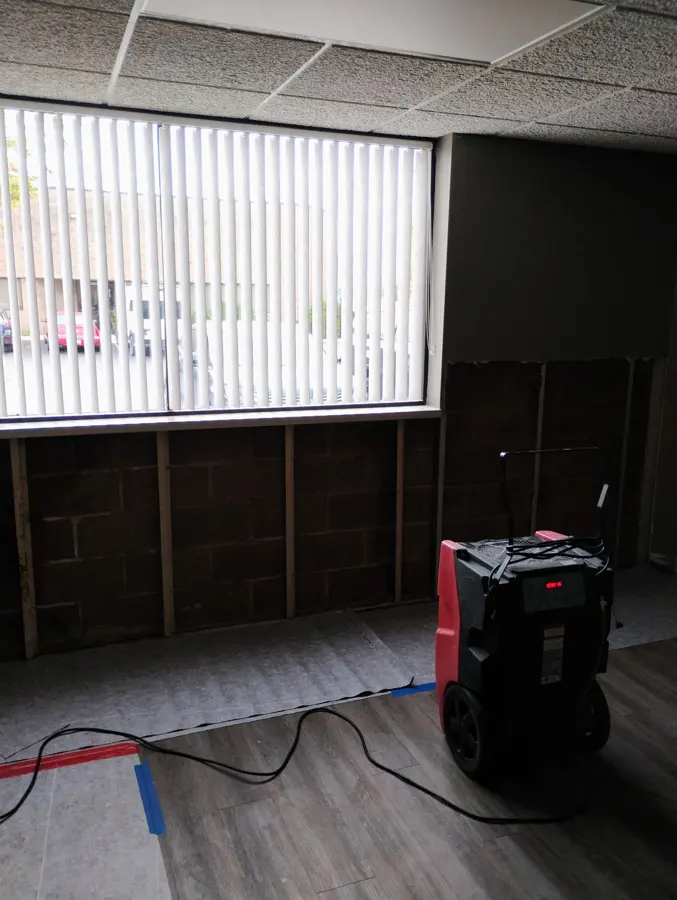 Structural Drying and DehumidificationAir movers and dehumidifiers dry walls and floors until the moisture readings match dry material.How it is handled
 Commercial Water DamageShops, offices and multi-suite buildings get phased drying so business can resume sooner.How it is handled
Crews that plan around clay-soil water
About half of Woodhaven's land is poorly drained clay, so runoff lingers and drying plans account for it.
Matched equipment
Pumps, containment and drying gear are picked for the water source, so sewage and a split hose get different setups.
Clay-ground planning
Slow-draining soil keeps low spaces and yards wet longer, so extraction is followed by drying until readings confirm dry.
Claim-ready records
Photos, moisture readings and equipment logs stay together, so an adjuster sees what was wet and when it dried.
Narrow specialty
Only water and sewage jobs are taken, so every tool on the truck points at drying and cleanup.
Right after water shows up: five moves that limit damage
- 1Stop the source
Close the main valve or the appliance supply, and stay out of any room where water reaches outlets.
- 2Cut the power
Switch off breakers serving wet rooms from a dry position, because standing water and live circuits are a shock hazard.
- 3Lift what you can
Move electronics, paper and small furniture off wet floors, and leave heavy pieces for the crew.
- 4Photograph the damage
Take wide and close photos of the water, the wet materials and the source before anything gets moved or discarded.
- 5Call for extraction
Reach a restoration crew early, since wet drywall, pad and framing start to grow mold after a day or two.
Dry is proven with meter readings, not by touch
Every Woodhaven job starts with a moisture map, then moves through extraction and controlled drying, and ends only when daily readings reach the dry standard for each material.
- 1
Trace the water
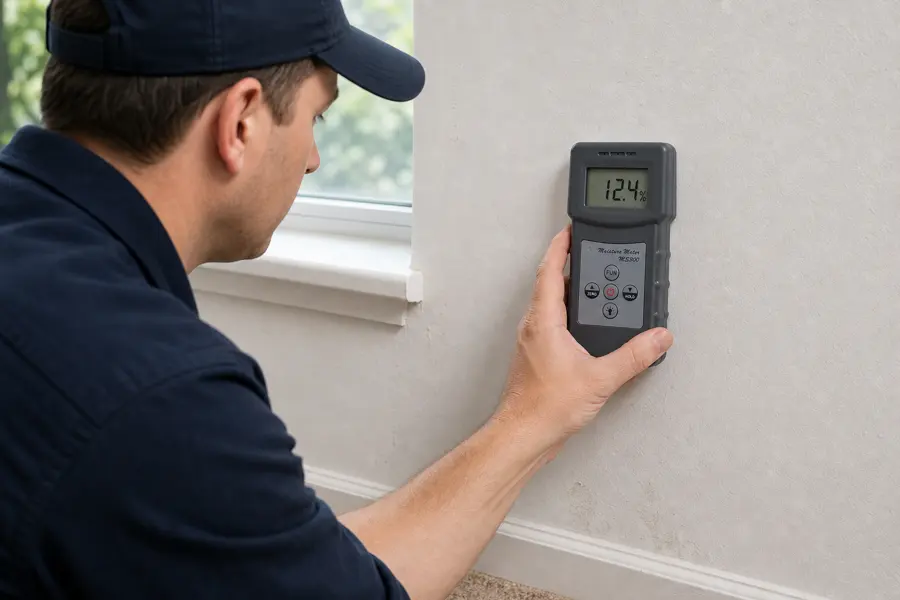
Moisture meters and an infrared camera follow the water through walls and floors, and those readings set the plan.
- 2
Remove the water
Truck-mounted or portable extractors take standing water and soaked pad, leaving less for the dryers.
- 3
Run the dryers
Air movers push dry air across surfaces while LGR dehumidifiers pull moisture out of the room.
- 4
Prove it is dry
Readings are repeated each visit against unaffected material, and equipment stays until every reading reaches the dry mark.
Gear on the truck for Woodhaven jobs
- Truck-mounted and portable extractors for standing water and soaked carpet
- Low-grain refrigerant dehumidifiers sized to the room and the material
- Air movers set to sweep dry air along floors and walls
- Pinless and pin moisture meters for walls, framing and flooring
- Infrared camera and HEPA air scrubbers for hidden wetness
Flat, clay-heavy ground holds heavy rain
Woodhaven is relatively flat, and the Master Plan maps two floodplains that touch portions of almost every residential subdivision.
- The eastern floodplain, mostly 100-year, runs from King Road to Vreeland Road and covers most land east of Allen Road.
- The western floodplain blends 100-year and 500-year ground, running from near Carter Road toward Vreeland Road and Allen Road.
- Woodhaven police said Hall Road was the hardest hit on July 19, 2019, and warned drivers off flooded West Road.
Three water categories, three different cleanup plans
Water is sorted by how contaminated it is, and that class decides how much comes out and how much protection the crew uses.
Category 1 clean water
A split supply pipe sends clean water first, and quick drying often saves the drywall and flooring.
Burst pipe cleanupCategory 2 gray water
Sump pit overflow or a washer discharge carries bacteria, so porous materials usually come out instead of drying in place.
Sump pump failure cleanupCategory 3 sewage
Sewage and flood water contain pathogens, so the area is sealed, contents are removed and surfaces are treated.
Sewage backup cleanupHow much does water damage restoration cost in Woodhaven?
Small, clean-water jobs caught early start around $800, while sewage or flood water that reaches finished rooms can pass $10,000 once removal and treatment add up. Water volume, contamination, how long it sat and how much material has to come out decide where a job lands.
| Size of the loss | Typical range | What usually moves it |
|---|---|---|
| One room, caught early | $800 to $2,500 | Clean source water, little tear-out, short drying run |
| Several rooms or a finished space | $2,500 to $6,500 | Wet drywall and pad, some tear-out, LGR dehumidifiers |
| Contaminated or whole level | $6,500 to $10,000+ | Sewage or flood water, containment and removal, full structural drying |
These are typical ranges, not quotes: readings and photos taken on site set the real scope, with every removed material listed before drying begins.
Documenting water damage for a claim
Adjusters want proof of what got wet, how far it spread and when it dried, so the crew builds that record while the work happens.
- Dated photos of every wet room and item
- Moisture readings for each wet material
- Equipment placement and daily drying logs
- A list of materials removed, with reasons
- The water source, named in writing
Policies differ, and sewer backup or flood water often needs separate coverage, so the claim file should reach the adjuster before wet materials are discarded. The city's flood plain information links FEMA's Flood Insurance Rate Map search for owners checking a property.
What water damage work looks like on site
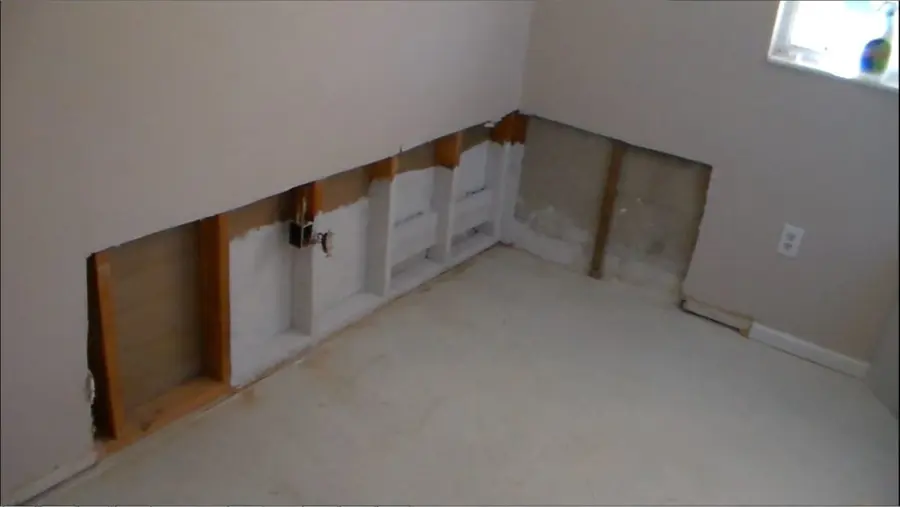
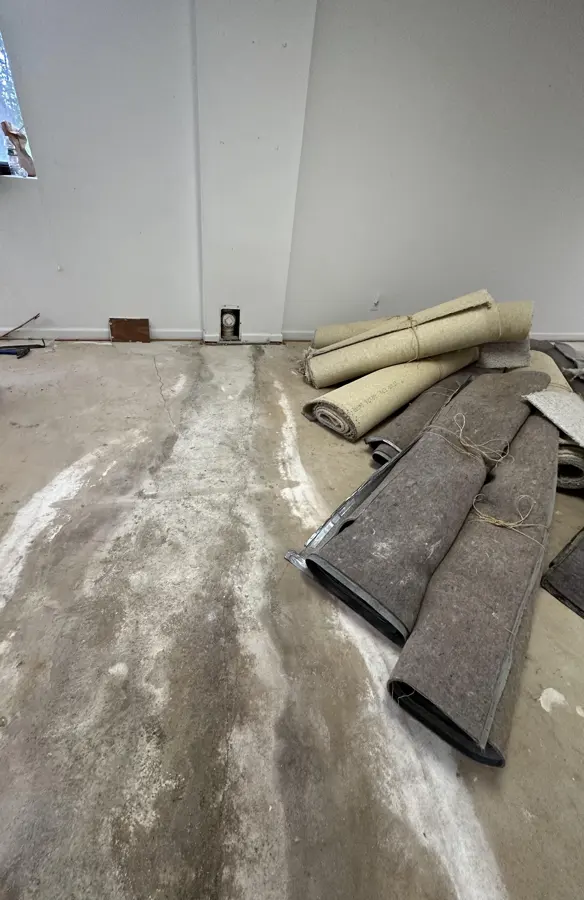
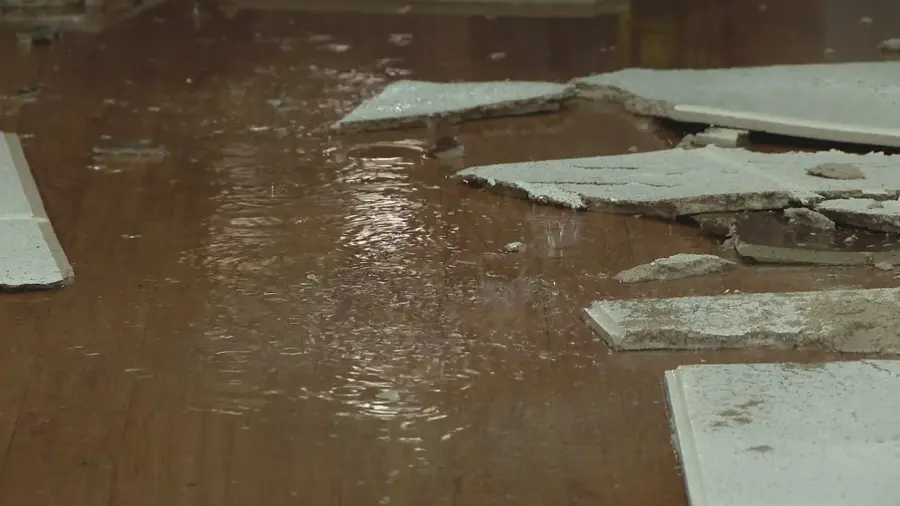
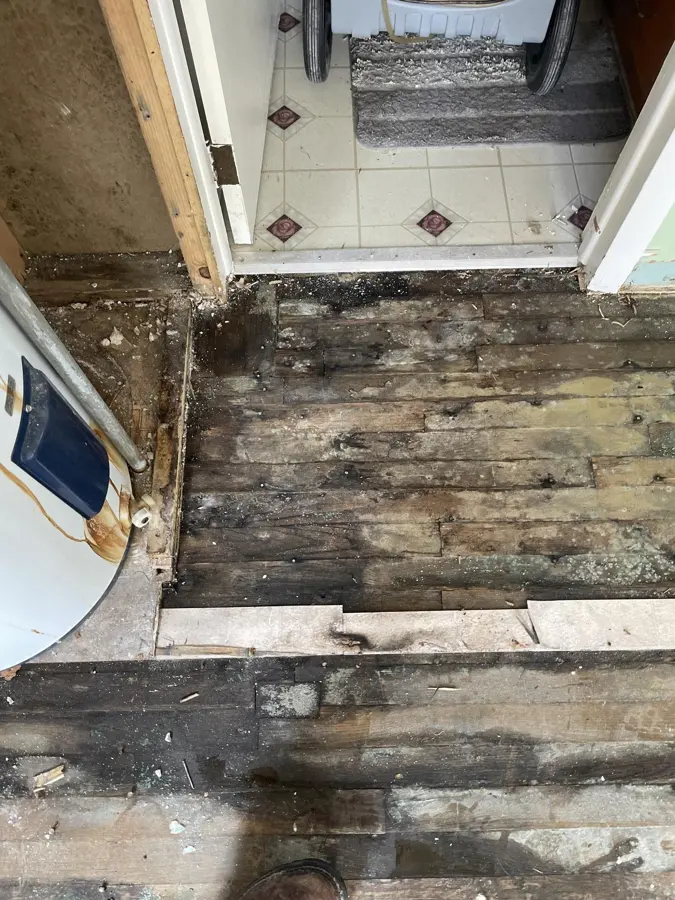
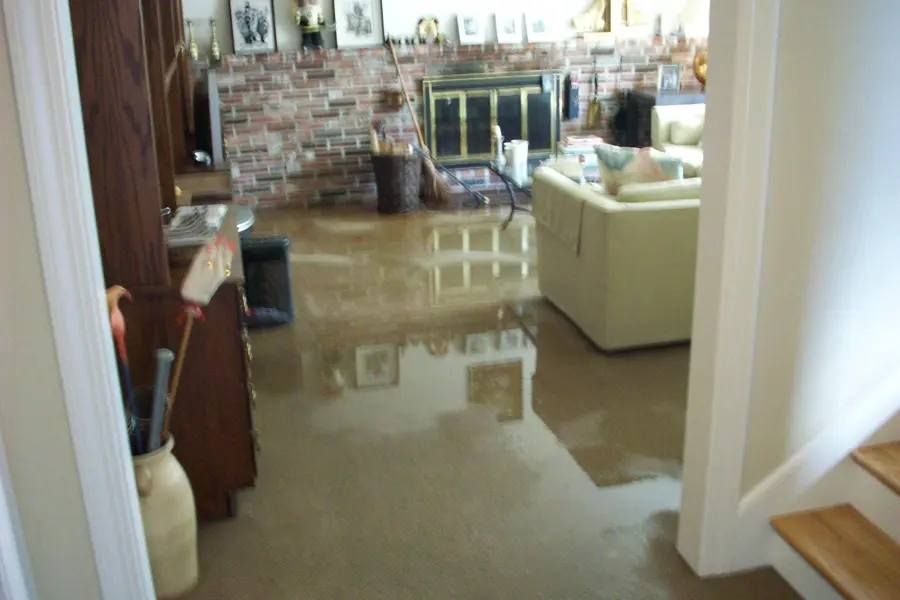
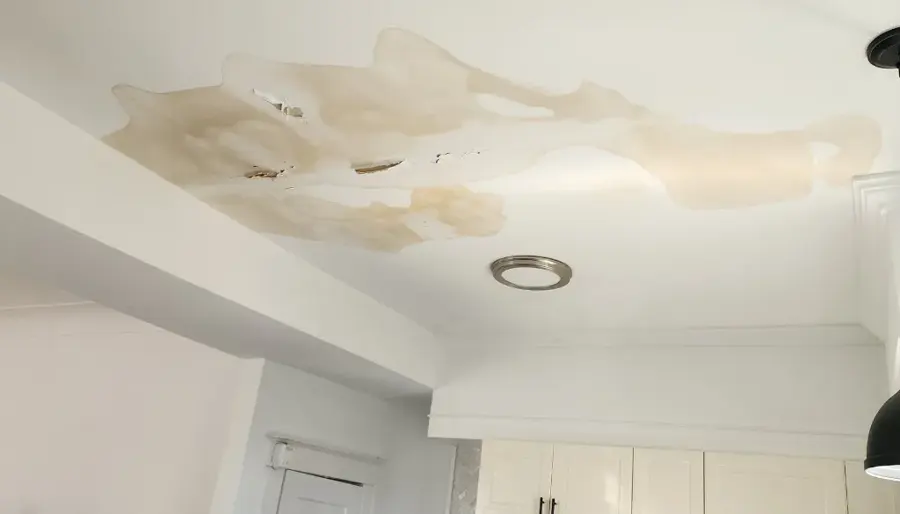
Water damage crews working across Woodhaven, Michigan
The service area covers Woodhaven's subdivisions, apartment communities and commercial strips, from Downtown Woodhaven along West Road and Allen Road out to the neighborhoods near Constitution Park.
ZIP code covered
Neighborhoods and main roads served
Nearby communities
What makes water damage different in Woodhaven
Soil, floodplain maps, a mix of housing types and the July 19, 2019 storm all shape how water behaves in the city.
- 1Poorly drained clay. About half of Woodhaven's land is Hoytville silty clay loam, and the Wayne County Soil Survey says its low depressional areas flood briefly from runoff.
- 2The July 19, 2019 storm. Heavy rain and wind flooded roads and cut power across Woodhaven and other Downriver cities, and Hall Road was hit hardest.
- 3The August 11, 2014 rainfall. The National Weather Service in Detroit calls it a historic rainfall, and its photo gallery for the event includes a picture labeled Woodhaven.
- 4Older housing stock. The American Community Survey puts the median Woodhaven home at 1979, and 2,973 of the city's 5,400 housing units were built before 1980.
- 5Shared walls and floors. The American Community Survey counts 1,545 Woodhaven homes in buildings with two or more units, so a leak in one unit can reach the neighbor below.
Woodhaven water damage questions
What happens first on a Woodhaven job?
It starts with stopping or identifying the source, then photos and moisture readings of every wet surface. Extraction follows, and the crew chooses the drying equipment from what the readings show about each room.
Is storm flooding cleaned differently from a pipe leak?
Yes. Rain and runoff bring silt and contaminants, so the water is treated as Category 3 and porous materials usually come out, while a clean supply leak can often be dried in place. See flood cleanup in Woodhaven.
Which parts of Woodhaven sit in a floodplain?
The Master Plan describes an eastern floodplain, mostly 100-year, and a western one that mixes 100-year and 500-year ground, with portions of almost every residential subdivision inside one. FEMA's maps, linked by the city, show a specific property.
How does sewage cleanup differ from other water damage?
Sewage is Category 3, so the crew contains the area, removes porous materials and treats surfaces before drying starts. State law also sets a notice deadline for sewer backup claims, covered in sewage backup cleanup in Woodhaven.
Why does drying take several days?
Wet framing, subfloor and drywall hold moisture long after the surface feels dry, so the drying team keeps equipment running and repeats meter readings in each room until every material reaches its dry mark.
Do older homes need different drying?
It can. Woodhaven's median home dates to 1979, and older walls and floors can hold moisture in places a surface check misses, so readings inside the walls and floors confirm when drying is done.
Can an apartment leak damage the unit below?
Yes. Water follows ceilings, wall cavities and floors between units, which matters in Woodhaven's many apartment and condominium communities, so the crew checks the unit below too, as a ceiling leak shows.
Does the crew handle commercial buildings?
Yes. Retail space, offices and industrial buildings are common here, with more than one million square feet of retail in Downtown Woodhaven alone, so phased drying keeps part of a building open when possible.
Does insurance pay for water damage cleanup?
It depends on the policy and the cause. Sudden pipe and appliance leaks are often covered, while flood water and sewer backup usually need separate coverage, so the adjuster should see the photos and readings first.
What should be kept after the water is gone?
Keep the photos, the moisture log, the equipment record and any receipts, since an adjuster may ask for them weeks later. Damaged items should be photographed before they are discarded.
Standing water in Woodhaven? Get a drying crew rolling
The longer water sits, the more drywall, pad and framing it ruins, so the response team begins with the source, the photos and the readings.