Emergency Water Extraction in Flat Rock, MI
When a cloudburst, a failed pump or a split pipe leaves inches of water on a Flat Rock floor, the extraction crew pulls it out before it wicks into pad, framing and drywall.
(888) 612-9219Talk to a Flat Rock extraction crew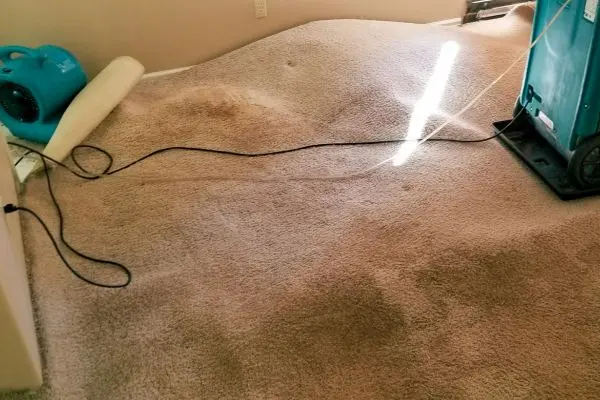
First steps for emergency water extraction in Flat Rock
- 1Stay out of deep water
Water near outlets and cords can shock. Keep out until the breaker is off.
- 2Stop the source
Close the main shutoff if a pipe broke, and stop using sinks and the washer if a drain is overflowing.
- 3Lift what can be lifted
Set rugs, boxes and small furniture on dry blocks or a table.
- 4Photograph the wet mark
Take wide and close photos of the water level on the walls before pumping starts.
What does emergency water extraction cost in Flat Rock, MI?
Extraction cost follows how much water there is and what it carries. One room of clean water is the small end, a basement or several rooms sits in the middle, and deep or contaminated water costs the most.
| Size of the loss | Typical range | What usually moves it |
|---|---|---|
| One wet room, clean source | $400 to $900 | Shallow standing water, carpet or hard floor, portable extractor |
| Basement or several rooms | $900 to $2,000 | Wet carpet and pad, truck-mounted extractor, pad removal |
| Deep or dirty water | $2,000 to $4,500+ | Submersible pumps, contaminated water, containment setup |
Planning ranges, not a quote: the water category, the wet square footage, the material class and how soon drying started move the final number most. The water damage cost calculator narrows it for your own loss.
How emergency water extraction is handled in Flat Rock
- 1
Size up the water
The tech reads the water type and depth, then picks the pumps.
- 2
Extract in passes
Carpet, pad and hard floors each get their own tool and a second pass at low spots.
- 3
Pull what will not dry
Soaked pad and porous finishes touched by dirty water come out first.
- 4
Hand off to drying
Meters confirm the surface is clear, then fans and dehumidifiers take over.
Extraction is the step that decides how bad a wet floor gets, because every inch of water left behind keeps soaking into carpet pad, baseboards and wall bottoms. In Flat Rock, a city official estimated that as much as 6.2 inches of rain fell in about 35 minutes on July 19, 2019.
How the water comes out
The crew matches the tool to the water. Shallow water goes to portable extractors, while deeper water goes to submersible pumps.
- Submersible pumps clear deep water from low rooms and window wells.
- Truck-mounted extractors pull water out of carpet and pad in bulk.
- Soaked pad is cut and lifted so the subfloor can start to dry.
- Meter readings on wood, tile and drywall show what water is left.
What the July 2019 storm left behind
After the cloudburst, water stood knee-deep in the Woodcreek subdivision and basements flooded along Aspen, Tamarack and Magnolia streets. That kind of standing water is what extraction is built for. Water can also come from a failed pump, a split supply pipe or a backed-up drain, and the Huron River runs through the city, so Flat Rock homes face more than one way to end up wet.
Water type changes the plan
Clean water from a supply pipe can usually be extracted and the materials saved. Gray water from a washer or dishwasher needs more care. Black water from a sewer or a flood carries bacteria, so the crew contains the area and removes porous materials it touched. Mold can start in 24 to 48 hours, so the pump comes first.
After the standing water is gone, structural drying takes over, with fans and dehumidifiers pulling out what the extractors could not reach. Water that came up through a floor drain falls under sewage backup cleanup.
Emergency water extraction across Flat Rock and nearby communities
The extraction crew works across Flat Rock, from Downtown Flat Rock and the Woodcreek subdivision to Hawthorne Ridge, Rockridge Estates and Celtic Farms. Homes along Telegraph Road and Gibraltar Road are covered too, along with Deerfield Estates, Country Meadows and streets on both sides of the Huron River.
The same service nearby: emergency water extraction in Monroe, Woodhaven, Trenton.
More water damage services in Flat Rock
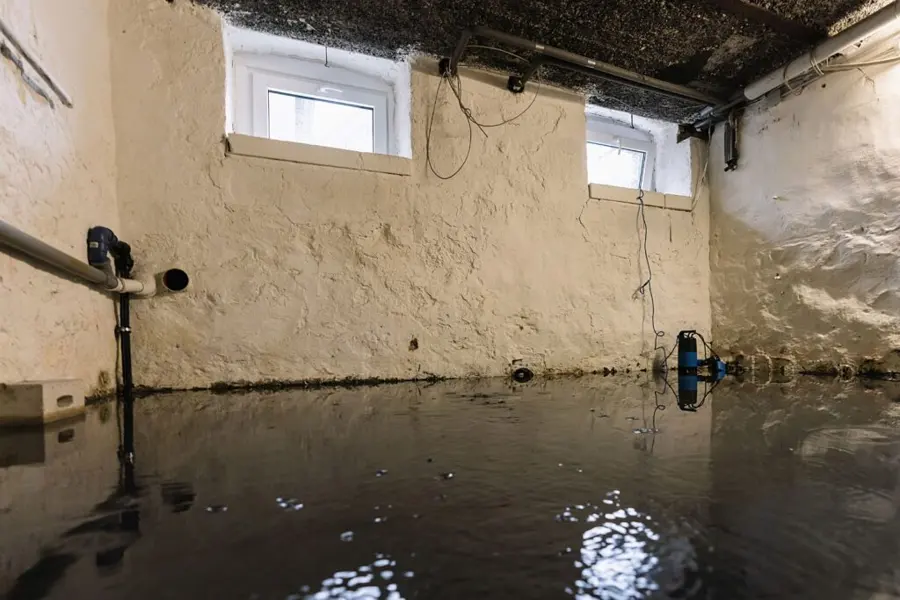 Basement Flooding Cleanup in Flat RockSee the service
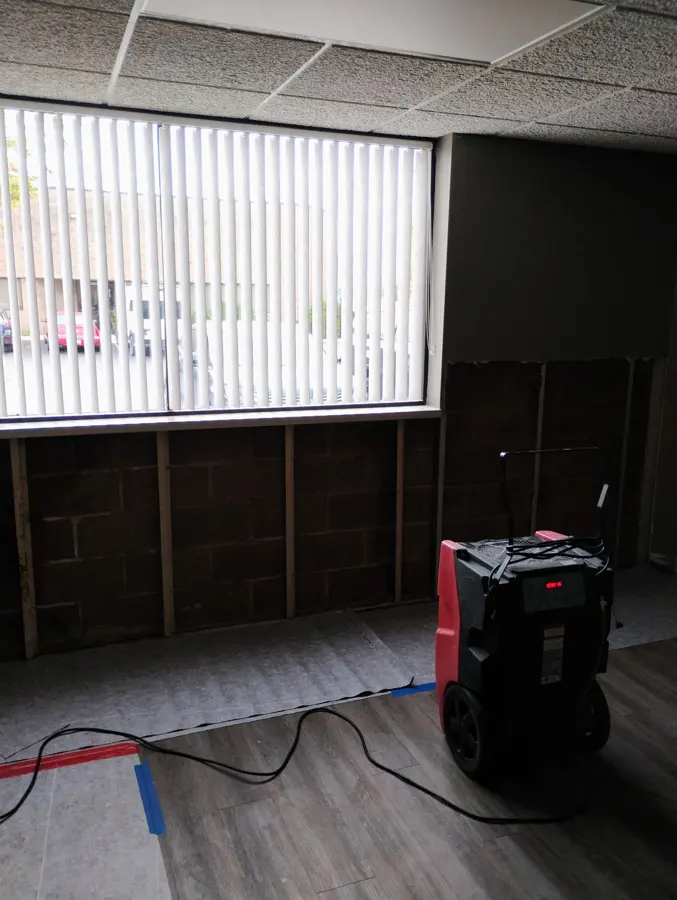 Structural Drying and Dehumidification in Flat RockSee the service
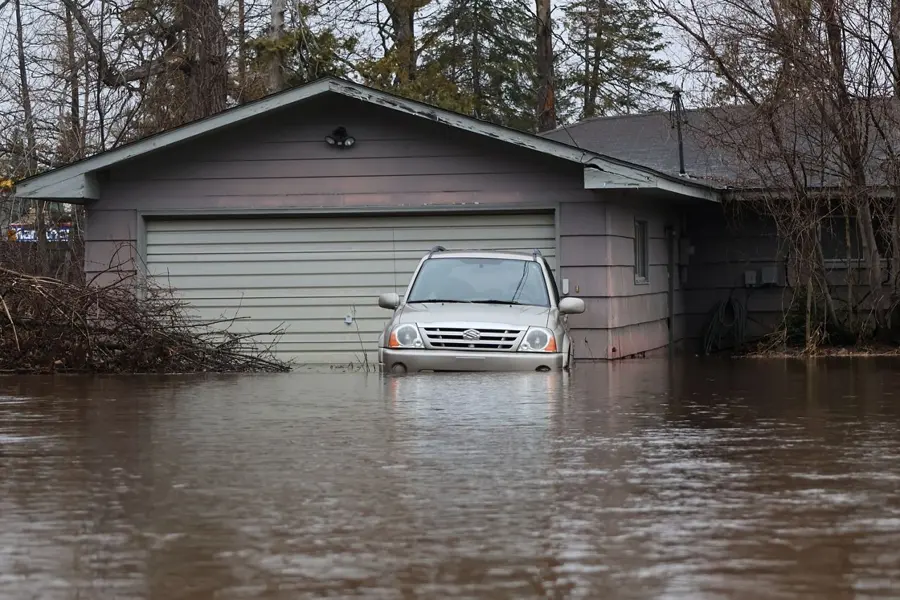 River and Lake Flood Cleanup in Flat RockSee the service
Emergency Water Extraction in MonroeSee the service
Water damage restoration in Flat RockLocal page
Every town the team coversService areas
Emergency Water Extraction questions in Flat Rock, MI
Is it worth pumping out just a little water?
Yes. A thin film still soaks into pad, baseboards and wall bottoms. Removing it early keeps the drying job smaller and the tear-out lighter.
Can carpet be saved after extraction?
Often, when the water was clean and the carpet is lifted promptly. The pad underneath is usually replaced, because it holds water and dries slowly.
What separates a pump from a truck-mounted extractor?
Pumps move deep water in bulk. A truck-mounted extractor uses strong suction to pull moisture out of carpet and pad once the depth is gone.
Does the water type change the price?
Yes. Clean water is the simplest. Gray and black water add containment, protective gear and removal of porous materials, which raises the cost.
Should the insurer hear about it before the pumping?
Reporting the loss early is smart, but the pumping should not wait for an adjuster. Photos and moisture readings taken first become the record.
What happens once the standing water is gone?
The materials are still wet inside. The drying team sets fans and dehumidifiers and keeps taking readings until framing and drywall return to normal.
Water on a Flat Rock floor keeps spreading
The sooner the pumps run, the less pad, drywall and framing end up wet. Call the extraction crew and describe what the room looks like right now.