Structural Drying and Dehumidification in Flat Rock, MI
Surfaces can look dry while framing, subfloors and wall cavities stay wet. The drying team sets air movers and dehumidifiers, then takes readings every day until the structure matches a dry reference.
(888) 612-9219Plan the drying for a Flat Rock home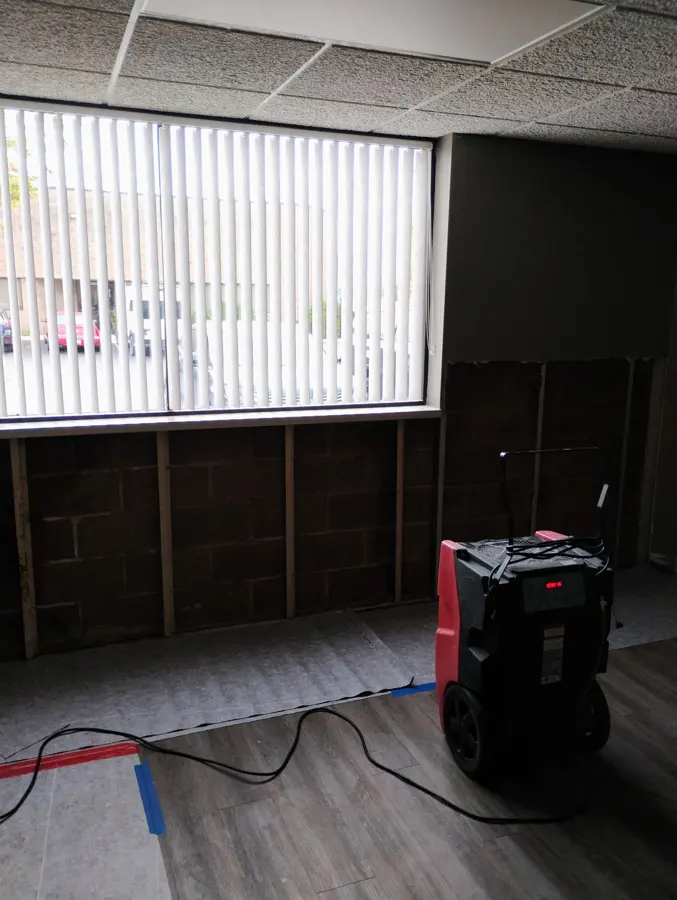
First steps for structural drying and dehumidification in Flat Rock
- 1Leave the equipment running
Air movers and dehumidifiers are loud, but switching them off stops the drying.
- 2Keep the drying zone closed
Shut windows and exterior doors so the dehumidifiers work on damp air only.
- 3Move belongings out
Furniture and boxes sitting on wet floors hold moisture and block airflow.
- 4Leave the readings alone
Marked spots on walls and floors are meter points. Please do not wipe them away.
What does structural drying and dehumidification cost in Flat Rock, MI?
Drying cost follows the drying class and the equipment days. One area with a few air movers is the low end, several wet rooms add equipment and visits, and dense materials need the most time.
| Size of the loss | Typical range | What usually moves it |
|---|---|---|
| One area, light moisture | $1,000 to $2,200 | About three or four days, handful of air movers, single LGR dehumidifier |
| Several rooms, wet walls | $2,200 to $4,500 | Ceilings and walls wet, extra equipment, readings every day |
| Dense, slow materials | $4,000 to $6,000+ | Hardwood, block, plaster, desiccant dryers or mats, extended drying time |
Planning ranges, not a quote: the water category, the wet square footage, the material class and how soon drying started move the final number most. The water damage cost calculator narrows it for your own loss.
How structural drying and dehumidification is handled in Flat Rock
- 1
Map the moisture
Meters and a thermal camera mark every wet surface and cavity.
- 2
Set the equipment
Air movers and dehumidifiers go in by room size and wetness.
- 3
Open what is closed
Cavities get ports or small openings so air reaches trapped moisture.
- 4
Read daily and adjust
Equipment moves as readings change, until each material reaches the dry reference.
Structural drying is the slow, measured part of water damage work. Every house and apartment dries a little differently. In Flat Rock, the median home was built in 1985, and 1,869 of its 4,169 homes predate 1980, so the drying team reads moisture in framing and drywall that carry several decades of building.
Why drying takes days
Water soaks into wood and dense materials readily and leaves them slowly, so air movers and dehumidifiers have to do patient work.
- Air movers push dry air across wet floors and walls to lift moisture out.
- LGR dehumidifiers pull that moisture from the room air and drain it away.
- Injection ports or drying mats work on closed wall cavities and floors.
- Daily readings show whether each material is still wet or has reached normal.
Light, moderate and dense materials
A single wet room with clean water is the light case, and a few air movers and one dehumidifier finish it in about three to four days. Several rooms with wet walls and ceilings need more equipment and daily checks. Dense materials such as block, plaster or hardwood hold water longest and may call for desiccant dryers or floor mats. Daily readings decide when the equipment can leave.
Older and newer construction
Flat Rock housing runs from 254 homes built in 1939 or earlier to 912 built from 2000 to 2009, and another 704 date from 1950 to 1959. Old or new, a wet house dries the same way in principle, but the moisture map shows where each one holds water. Mold can begin in 24 to 48 hours, so equipment goes in once the water is out.
Drying time depends on what was wet, and the drying time estimator gives a rough range before the readings are in. After a flood or pipe break, water extraction comes first.
Structural drying and dehumidification across Flat Rock and nearby communities
Structural drying runs in Flat Rock houses, rentals and apartment buildings, from Hawthorne Ridge and Rockridge Estates to Woodcreek, Celtic Farms and Smith Creek Grove Estates, and from Downtown Flat Rock out to Deerfield Estates and the Telegraph Road and Gibraltar Road corridors in ZIP code 48134.
The same service nearby: structural drying and dehumidification in Monroe, Woodhaven, Trenton.
More water damage services in Flat Rock
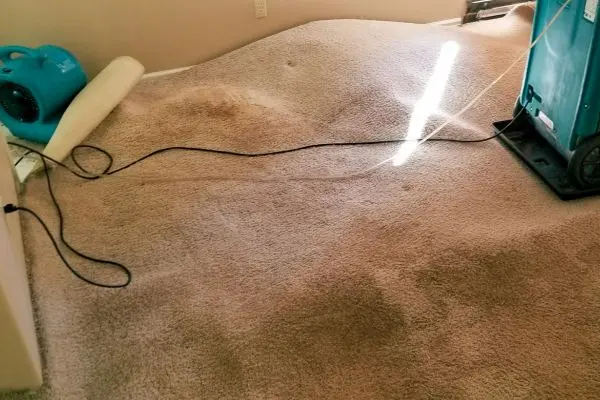 Emergency Water Extraction in Flat RockSee the service
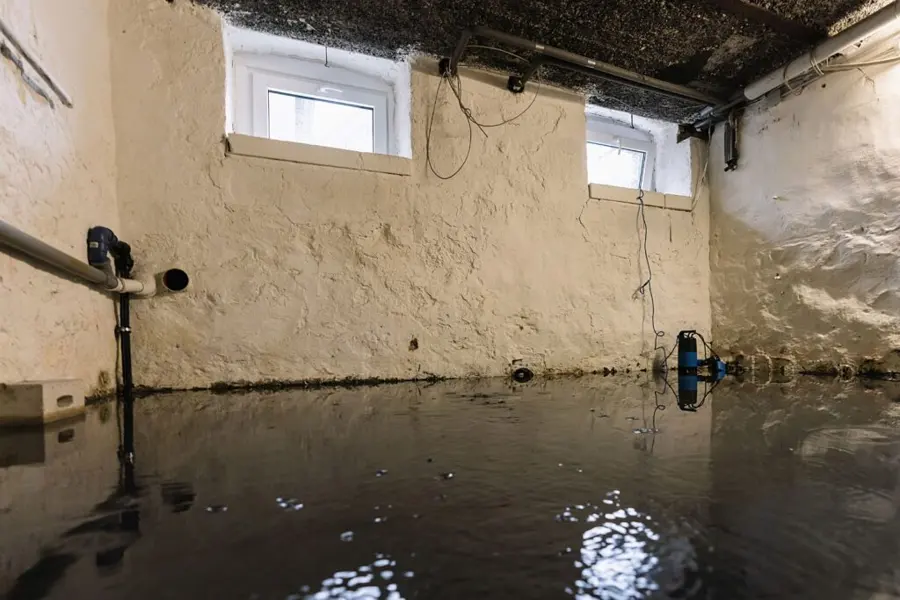 Basement Flooding Cleanup in Flat RockSee the service
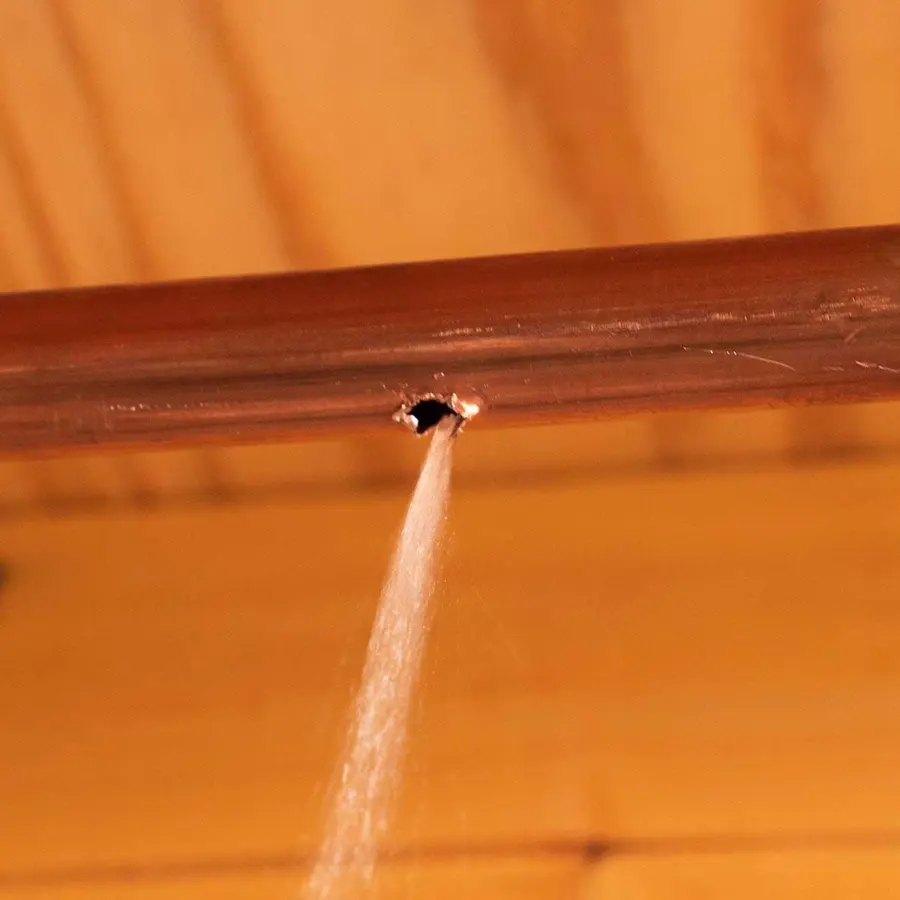 Burst Pipe Water Damage in Flat RockSee the service
Structural Drying and Dehumidification in MonroeSee the service
Water damage restoration in Flat RockLocal page
Every town the team coversService areas
Structural Drying and Dehumidification questions in Flat Rock, MI
How long does structural drying take?
Light jobs often take three to four days, and several rooms or dense materials take longer. The readings decide, not the calendar.
Why keep dehumidifiers running when the room feels dry?
Surfaces dry first while framing and subfloors hold water inside. Switching equipment off early lets that moisture drift back into the room and the walls.
What is an LGR dehumidifier?
LGR stands for low grain refrigerant. It removes more moisture from air than a standard unit, especially when the air is already fairly dry.
Can wet drywall always be dried in place?
No. Drywall that sagged, softened or stayed wet at the bottom is cut out. Panels with normal readings and a clean cavity behind them usually stay.
What does the daily record show?
Each visit logs the room temperature, humidity and moisture readings for every marked spot. An insurer can see the drying curve and the date the structure reached dry.
A dry-looking wall can still be wet inside
Meters, not touch, show what is left in framing and floors. Call the drying team to map the moisture and set the equipment.