Basement Flooding Cleanup in Milan, MI
Water in a Milan basement means pumping, pulling wet carpet and pad, cutting wet drywall and drying the framing, with the source named first so the cleanup matches the actual damage and the claim.
(888) 612-9219Pump out a Milan basement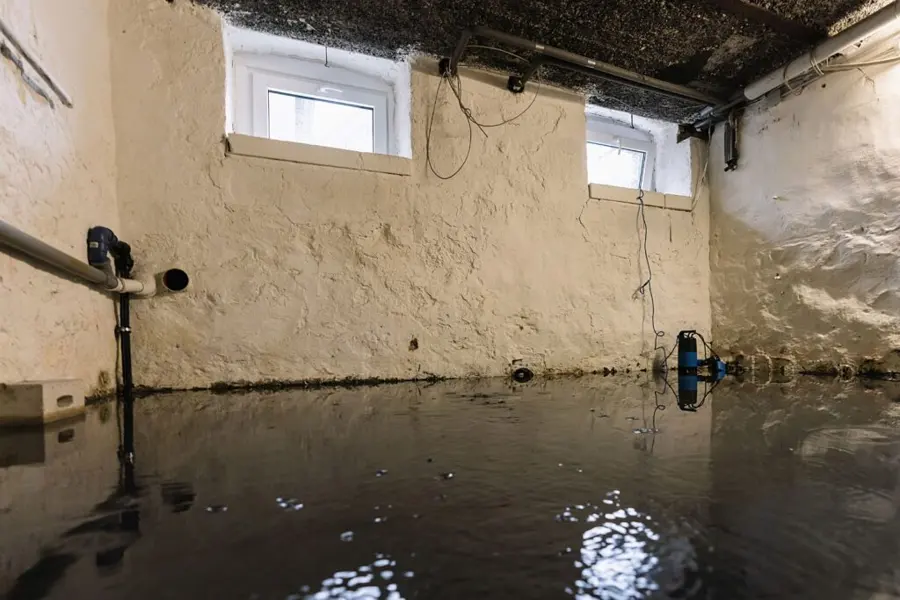
First steps for basement flooding cleanup in Milan
- 1Pump the water down
Submersible pumps lower the water in stages while the crew checks that the drain, sump or supply is not still feeding it.
- 2Tear out what is wet
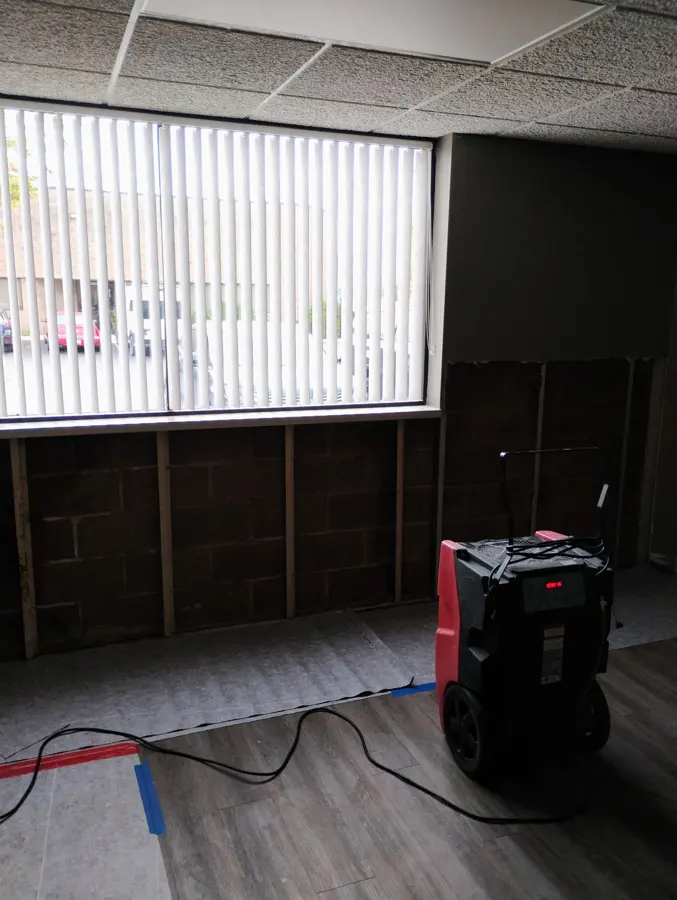
Carpet, pad and soaked drywall are removed so water is not trapped against studs, plates and insulation.
- 3Map moisture behind walls
Meters and thermal imaging find water inside wall cavities and under flooring that looks dry from above.
- 4Photograph before pumping
Standing depth and wet marks are recorded first, giving the adjuster a record of the loss.
What does basement flooding cleanup cost in Milan, MI?
An unfinished basement with clean water runs $1,500 to $3,500, a finished one $3,500 to $7,500, and a floor drain backup or flood water $6,000 to $12,000 or more. Finish level and water category drive the range.
| Size of the loss | Typical range | What usually moves it |
|---|---|---|
| Unfinished, clean water | $1,500 to $3,500 | Pumping and extraction, bare concrete and block, air movers and dehumidifiers |
| Finished, clean water | $3,500 to $7,500 | Carpet and pad removal, drywall removed above the stain, wall cavity drying |
| Drain backup or flood water | $6,000 to $12,000+ | Category 3 removal, containment and HEPA, antimicrobial treatment |
Planning ranges, not a quote: the water category, the wet square footage, the material class and how soon drying started move the final number most. The water damage cost calculator narrows it for your own loss.
How basement flooding cleanup is handled in Milan
- 1
Pump down
Water is lowered in stages, with the source checked so the basement does not refill.
- 2
Identify the water
Clean, gray or contaminated water decides what is discarded and what is dried.
- 3
Open and remove
Wet carpet, pad and drywall come out, and cavities are exposed for drying.
- 4
Dry and verify
Air movers and dehumidifiers run with daily readings until framing and slab reach the dry standard.
In April 1947 a four-inch rain flooded streets and cellars across the Ann Arbor area, and the Ann Arbor News reported that Milan was among the worst hit, with downtown basements flooded. When a basement fills, the same sequence applies today: stop the source, remove the water, open what stays wet and dry the rest.
What a basement cleanup includes
The scope follows the water, and the crew decides each cut from moisture readings.
- Pump-down, done steadily so saturated ground does not push on the walls
- Carpet and pad removed and hauled out
- Wet drywall removed above the stain so cavities can dry
- Air movers and dehumidifiers set for the whole level
When the drain will not drain
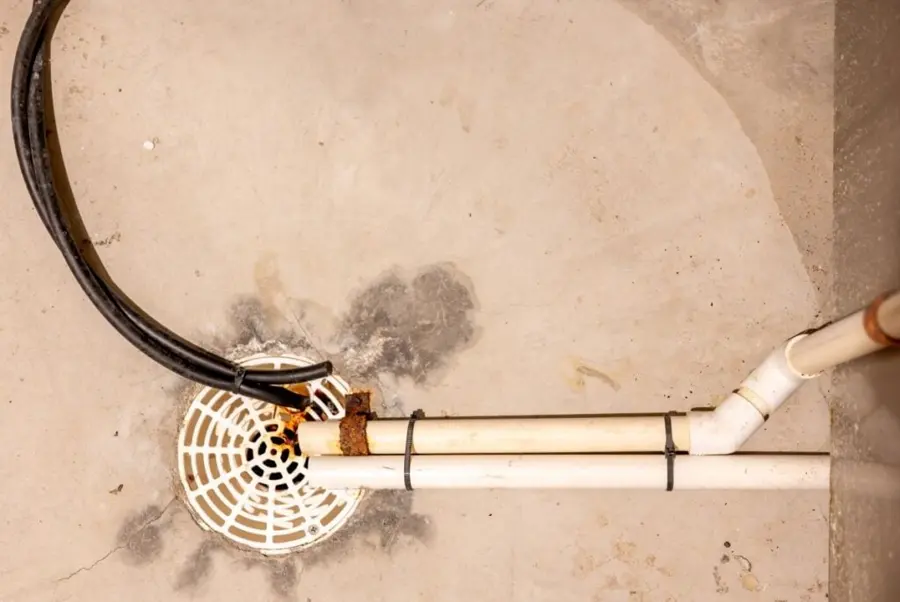
If water rises through a basement drain instead of seeping in from outside, the source may be the sewer. The City of Milan Public Works FAQ says residents with water that will not drain should call City Hall during business hours or the Milan Police Department after hours, and Public Works checks whether the problem is in the main sewer or the owner's pipe. Contaminated water changes the cleanup, as covered under sewage backup cleanup.
Finished and unfinished basements
An unfinished basement with bare concrete usually needs pumping, cleaning and drying. A finished one adds carpet, pad, baseboards, drywall and insulation, and each can hold water out of sight. Milan Township's land use plan describes flat, poorly drained, lake-deposited clay and silt across the township, soil that sheds water slowly, so wall cavities and slabs are checked until readings settle.
Clean the source first, then follow with structural drying so the framing is never left damp.
Basement flooding cleanup across Milan and nearby communities
Basement work covers downtown Milan and the Main Street Historic District, older streets and the Eagle Springs, Riverside, Meadowbrook and Uptown Village subdivisions, on both the Monroe County and Washtenaw County sides of the city, whether the lower level is bare concrete or a finished family room.
The same service nearby: basement flooding cleanup in Monroe, Flat Rock, Woodhaven.
More water damage services in Milan
Basement Flooding Cleanup questions in Milan, MI
Why does water come up through a floor drain?
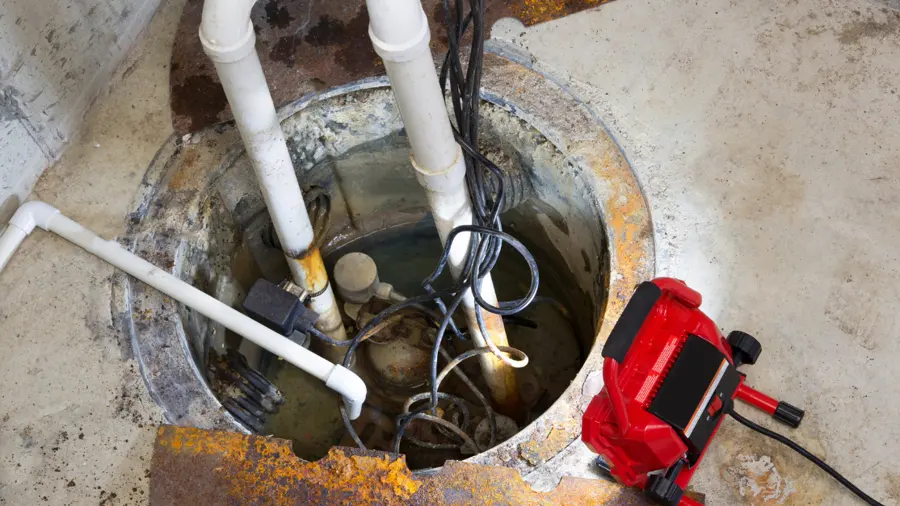
A drain that backs up can point to the sewer. Public Works checks whether the problem is in the main sewer or the owner's pipe, and the resulting cleanup is treated as contaminated.
Should the basement be pumped out all at once?
No. Water is lowered in stages, because saturated ground outside can push on basement walls that were being supported by the water inside, and a fast drop can crack or shift them.
Is the carpet salvageable?
Sometimes, if the water was clean and removal was early. Pad is usually removed, and sewage or flood water means the carpet is discarded rather than cleaned.
How long does a basement take to dry?
Drying usually takes several days, depending on the materials and how far water traveled. Daily readings decide when equipment leaves, not a fixed schedule or a guess.
Who is responsible for the sewer pipe?
The City of Milan Public Works FAQ says property owners handle repairs and replacement of the sewer pipe from the house to the connection in the street.
Will insurance pay for basement flooding?
It depends on the policy and the source of the water. Photos, readings and a written scope support the claim, and the adjuster should hear about the loss early.
What if rain seeped in through the walls?
Water seeping through walls and floors after heavy rain is often clean to gray at first, so carpet may be saved if it is extracted early, and readings decide what stays.
Water in a Milan basement?
The crew pumps down, removes wet materials and dries the structure, working on both the Monroe County and Washtenaw County sides of the city.