Emergency Water Extraction in Trenton, MI
After a storm like August 2014, when 14 Trenton homes flooded, standing water comes out with pumps and extractors before moisture mapping decides what is dried and what is removed.
(888) 612-9219Call for Trenton water removal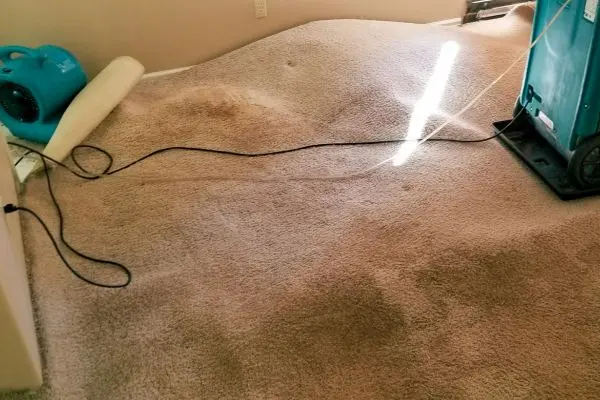
First steps for emergency water extraction in Trenton
- 1Shut off the source
Close the fixture valve or main shutoff, and stay out of standing water near outlets.
- 2Note the depth
Say how many inches of water stand in the room and which levels are wet.
- 3Lift what is safe
Move rugs, small furniture and electronics to dry ground and leave heavy pieces for the crew.
- 4Photograph the water first
Take wide and close photos of the standing water and damaged items before the pumps start.
What does emergency water extraction cost in Trenton, MI?
Expect $400 to $900 when one room of clean water needs pulling out, $900 to $2,000 when a basement or several rooms are wet, and $2,000 to $4,500 or more for deep or contaminated water.
| Size of the loss | Typical range | What usually moves it |
|---|---|---|
| One clean room | $400 to $900 | Shallow water, hard floor or carpet, single portable unit |
| Basement or wider spread | $900 to $2,000 | Saturated carpet and pad, truck mounted extractor, pad hauled away |
| Deep or dirty water | $2,000 to $4,500+ | Submersible pumping, category 3 source, sealed work area |
Planning ranges, not a quote: the water category, the wet square footage, the material class and how soon drying started move the final number most. The water damage cost calculator narrows it for your own loss.
How emergency water extraction is handled in Trenton
- 1
Assess the water
The crew identifies the source, measures depth and sorts the water by category first.
- 2
Pump and extract
Submersible pumps clear the depth, then extractors wring out carpet, pad and hard floors.
- 3
Map what is left
Meters and an infrared camera find damp subfloor, wall bottoms and cabinet bases.
- 4
Set drying gear
Air movers and dehumidifiers go in, and daily readings show when the structure has dried.
Standing water does its worst damage while it soaks into pad, baseboards and the base of walls. Extraction takes the bulk of it out so drying equipment can work on what remains. In Trenton, the 2017 city plan shows why that step matters: 14 homes flooded in August 2014.
Tools matched to the water
The extraction crew picks equipment by depth, floor type and how far the water has traveled, and every choice is logged for the claim file.
- Submersible pumps for several inches of standing water
- Portable extractors for rooms, hallways and stairs
- Truck mounted units for large floors and deep carpet
- Pad removal when carpet cushion holds water it cannot release
Why standing water is a local concern
The 2017 city plan counts approximately 825 homes in the floodplain after FEMA's maps took effect in 2012, most near the Frank and Poet Drain. Flood zones also run along the Detroit River coast and the Trenton Channel at Elizabeth Park. When rain or high water reaches a floor, quick removal limits what soaks into framing.
What happens after the pumps stop
Once the standing water is gone, the crew checks the subfloor, wall bottoms and cabinet bases with a meter, then sets air movers and dehumidifiers. Carpet pad that held water is usually discarded, while carpet itself can often be lifted, cleaned and dried in place.
Dirty water changes the plan: sewage or river flood water needs containment and removal of porous materials, which is covered under sewage backup cleanup, and a wet structure afterward is handled through structural drying.
Emergency water extraction across Trenton and nearby communities
Extraction jobs in Trenton range from houses off Fort Street to ground floor shops along West Jefferson Avenue in Downtown Trenton. The crew also works in Bretton Park Estates, Parkview Estates and the Sibley area, wherever water has pooled on a floor, and in apartments and cooperatives with shared walls.
The same service nearby: emergency water extraction in Monroe, Woodhaven, Flat Rock.
More water damage services in Trenton
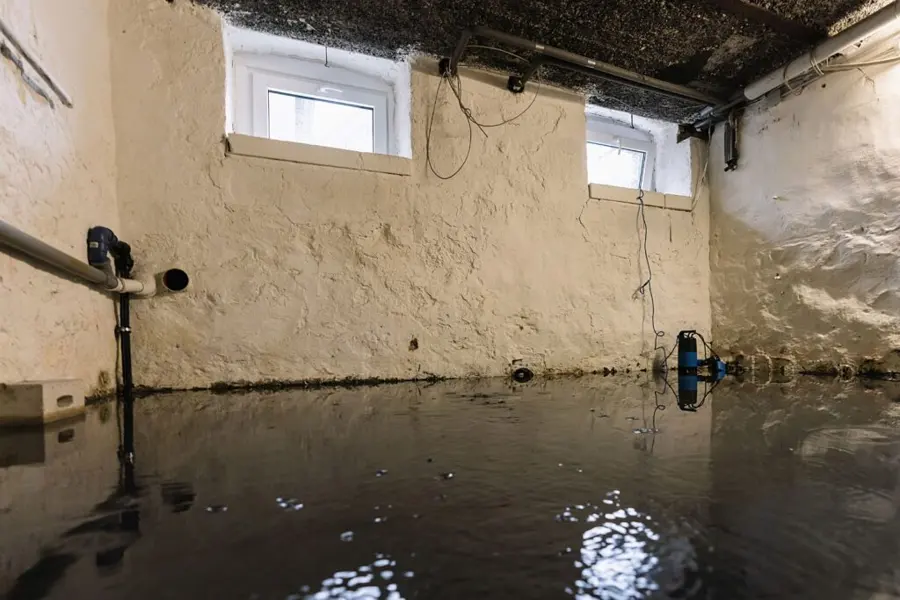 Basement Flooding Cleanup in TrentonSee the service
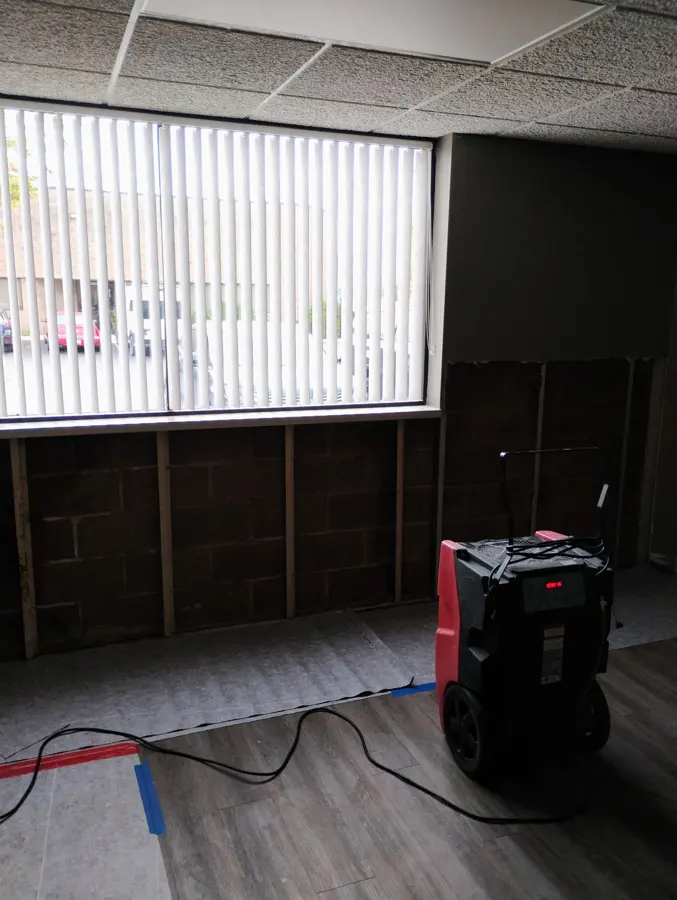 Structural Drying and Dehumidification in TrentonSee the service
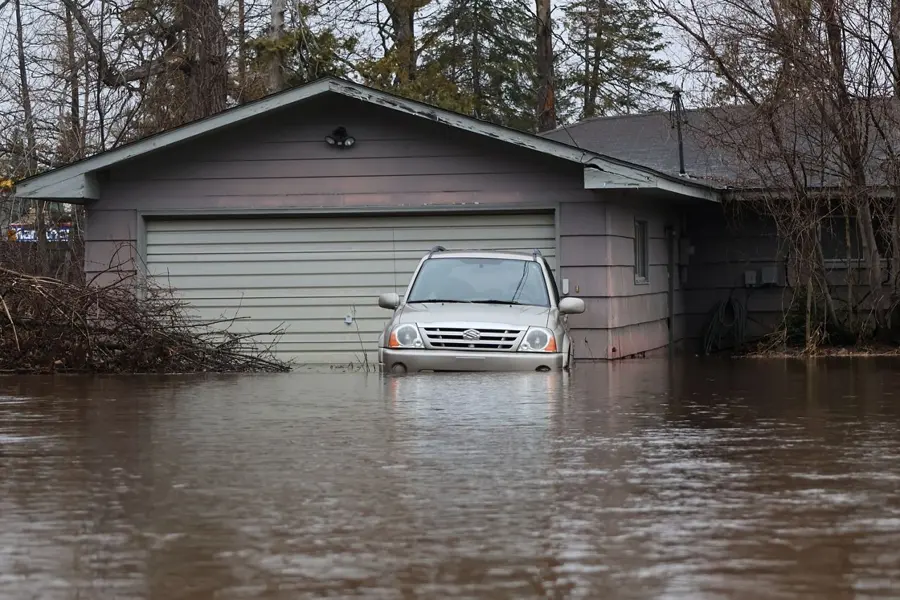 River and Lake Flood Cleanup in TrentonSee the service
Emergency Water Extraction in MonroeSee the service
Water damage restoration in TrentonLocal page
Every town the team coversService areas
Emergency Water Extraction questions in Trenton, MI
How is extraction different from drying?
Extraction removes liquid water with pumps and extractors, while drying uses air movers and dehumidifiers to pull moisture out of materials that stayed wet.
Can carpet be saved after standing water?
Often, yes, if the source was clean and the carpet gets lifted, cleaned and dried quickly, though the pad underneath is usually replaced.
Does the crew handle floodwater from the Detroit River?
Yes, with a different method: river or channel flood water is Category 3, so containment, removal of porous materials and cleaning come before drying.
What details help the crew prepare?
The water source, how deep it is, which rooms or levels are wet and whether the power is off, so the right pumps are loaded first.
Why is the pad usually thrown away?
Foam and fiber pad soaks up water and releases it slowly, so it holds moisture against the subfloor and is cheaper to replace than to dry.
How soon should wet materials be dried after extraction?
Drying equipment starts right after removal, because mold can begin on wet materials after a day or two, and the first readings set the plan.
Trenton standing water needs pumps before anything else
The extraction crew brings pumps, extractors and drying equipment, maps the wet areas, and keeps dated photos and moisture readings for the claim file.