Structural Drying and Dehumidification in Trenton, MI
Trenton's median home was built in 1960, and the city's resale inspection is visual only, so moisture hiding in framing, subfloors and drywall is found with meters and thermal imaging, then dried to a measured target.
(888) 612-9219Call about drying a wet Trenton home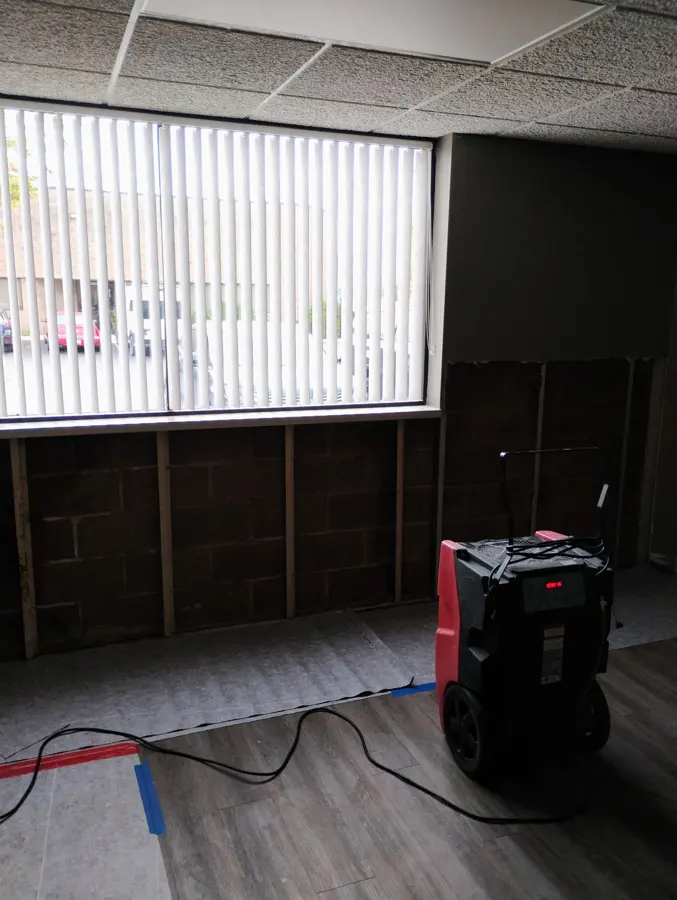
First steps for structural drying and dehumidification in Trenton
- 1Stop the water first
Drying cannot work while water still enters, so the source is closed first.
- 2Remove standing water
Extraction comes before dehumidifiers, since pumps remove far more water than any dryer can.
- 3Open the wet cavities
Cut small holes or remove baseboards so air reaches the wet framing behind drywall.
- 4Keep doors closed
Leave doors and windows shut while equipment runs, and do not turn the dehumidifiers off.
What does structural drying and dehumidification cost in Trenton, MI?
A single wet area in Class 1 or 2 materials typically costs $1,000 to $2,200, Class 3 jobs across several rooms run $2,200 to $4,500, and dense Class 4 materials can reach $4,000 to $6,000 or more.
| Size of the loss | Typical range | What usually moves it |
|---|---|---|
| Small area, Class 1 or 2 | $1,000 to $2,200 | Three or four days, handful of air movers, one LGR dehumidifier |
| Several rooms, Class 3 | $2,200 to $4,500 | Walls and ceilings wet, added equipment, readings every day |
| Dense materials, Class 4 | $4,000 to $6,000+ | Block, plaster, hardwood, desiccant or drying mats, extended run time |
Planning ranges, not a quote: the water category, the wet square footage, the material class and how soon drying started move the final number most. The water damage cost calculator narrows it for your own loss.
How structural drying and dehumidification is handled in Trenton
- 1
Find the wet areas
Meters and thermal imaging mark every wet surface first.
- 2
Set the equipment
Air movers and dehumidifiers are placed by room size and class, with doors and vents controlled.
- 3
Read daily
Moisture content and humidity are logged each visit and equipment is repositioned as areas dry.
- 4
Confirm and remove
Equipment comes out only after the final readings confirm every material is dry.
Drying is a measured process, not a few fans left running. Water that has soaked into framing, subfloors and masonry stays there until it is pulled out as vapor, and the equipment, the airflow and the humidity have to be balanced for that to happen. The goal is a written, measured result rather than a feeling that the room seems dry.
Why hidden moisture matters here
Trenton's median home was built in 1960, and 3,093 homes date from 1950 to 1959. The city's Building Department performs resale inspections of one and two family homes, which the city describes as visual only and no protection against hidden defects, so moisture inside walls and under floors is usually found only with readings.
The equipment and how it is set
Equipment is sized to the volume of the space and the class of the materials, not to the number of rooms. Placement changes daily as readings drop, so equipment that was essential on day one is often removed by day three.
- Air movers aimed along walls and across floors
- LGR dehumidifiers that remove moisture at low humidity
- Desiccant units or drying mats for block and hardwood
- Injection or cavity drying for closed walls and floors
Class, readings and when drying ends
Drying classes run from 1 to 4, from a small area of low absorbing material to dense hardwood, block or plaster that holds water deep. Readings are taken each visit, equipment is moved as areas dry, and the job ends when wet materials read the same as comparable dry ones elsewhere in the building.
Drying follows any water loss, whether a burst pipe or a flooded basement, and the same equipment handles apartments and shops.
Structural drying and dehumidification across Trenton and nearby communities
Drying work in Trenton covers houses from the 1950s through newer builds along Fort Street, West Road and Van Horn Road, rentals and cooperatives with shared walls, and downtown buildings on West Jefferson Avenue, so equipment is sized room by room rather than by neighborhood.
The same service nearby: structural drying and dehumidification in Monroe, Woodhaven, Flat Rock.
More water damage services in Trenton
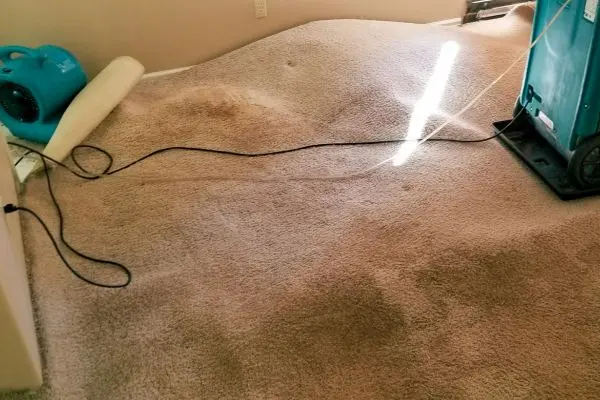 Emergency Water Extraction in TrentonSee the service
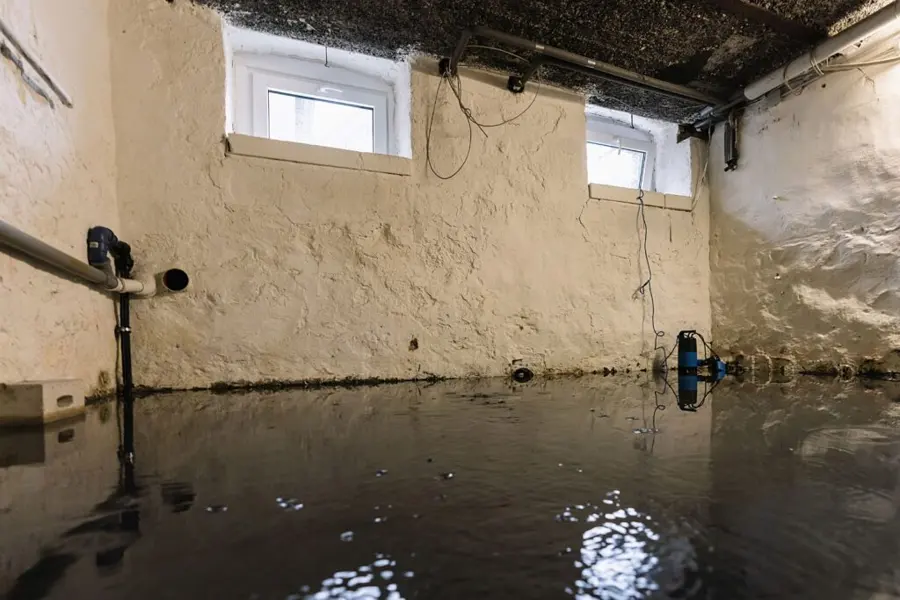 Basement Flooding Cleanup in TrentonSee the service
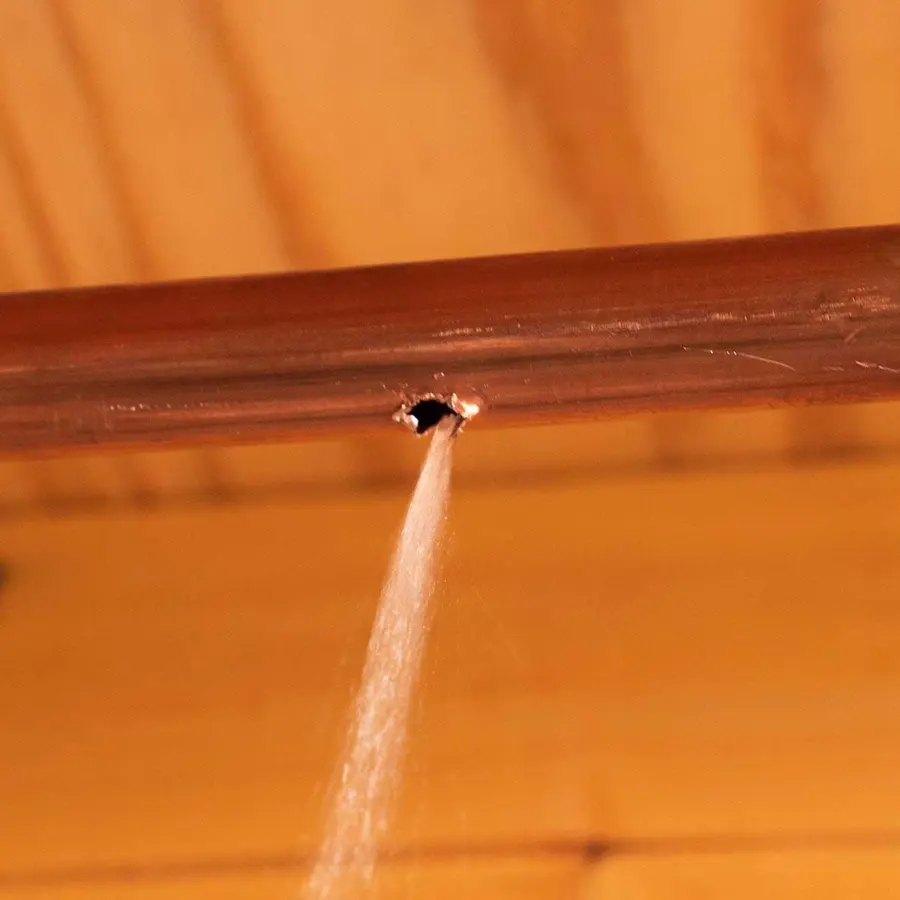 Burst Pipe Water Damage in TrentonSee the service
Structural Drying and Dehumidification in MonroeSee the service
Water damage restoration in TrentonLocal page
Every town the team coversService areas
Structural Drying and Dehumidification questions in Trenton, MI
How long does structural drying take?
A small, clean loss often dries in three to four days. Wet walls, dense materials and deeper losses take longer, and the readings, not the calendar, decide when equipment goes.
Why do the dehumidifiers run so long?
Water leaves materials as vapor, and dehumidifiers pull that vapor out of the air so the walls and floors can keep releasing more until they read dry.
Do the doors and windows really stay closed?
Yes. Open windows let humid air in and slow the process, so the space stays closed while equipment runs, apart from short trips to check readings.
Can a hidden wet wall be found without opening it?
Often, yes. Pinless meters and thermal imaging read behind the surface, and small test holes confirm what the instruments suggest before any larger cut is made.
Does structural drying prevent mold?
Fast, complete drying removes the damp conditions mold needs, which is why wet materials are dried to a measured target and not just until they feel dry.
Dry is a number on a meter, not a feeling
The drying crew maps the moisture, sets equipment by class and logs readings every visit until each wet material reaches the dry standard.